
 (Comarca Kuna Yala, Panama)
Posts Tagged With: Latin America
Island in the Sun
Categories: Travel
Tags: beauty, boat, Caribbean, Caribbean Sea, Central America, island, Island Life, Kuna Yala, Latin America, nature, Panama, paradise, peace, Scenery, sea, Sun, sunset, tranquility, Travel, vacation, water
Leave a comment
Foto Friday – 3.7.14
Happy first “Foto Friday” of Lent folks! I’m not Catholic, so therefore I normally don’t feel a need to sacrifice anything over these 40 days, but in many countries that the Gringo has traveled to, it is a common practice. I tried giving up beer once, but baseball season always spoils that effort. (Who do you know on this Earth that can sit through a week of Brewers baseball without downing a few Miller Lites?) Instead of sacrificing something for 40 days, this year I’m going to just step up my exercise routine (bought a bike today) and get a bit more strict with my diet (now that Girl Scout Cookie season is winding down). That means eating a lot more fish, which most Lent observers will be doing on this day. This reminded me of one of the best meals I’ve ever had…anywhere, any place, anytime. I was in Isla Mujeres, Mexico a few years back and I stumbled upon this beach restaurant called La Casa Del TikinXic. (I literally did stumble upon it, after a few late a.m. tequilas and an exhausting bike ride across the island.) The specialty here: Tikin-Xic (pronounced “teekeen sheek”). This is a type of fish dish specific to the Yucatec Maya region of Mexico. Prepared whole using a seasonal white fish (typically Grouper or Drum), the fish is marinated in the traditional Yucatán mixture of achiote paste, sour orange and a toss of regional chiles, then wrapped in a banana leaf and baked in an earth oven beneath a wood fire. The result: the most satisfyingly delicious fish plate I have ever had the pleasure to sink my saliva-coated chompers into! I had a little bone stuck in my tooth, but I just left it there so I could savor the flavor a bit longer. Throw in a cold cerveza, some steaming corn tortillas and a tasty medley of Mexican rice and fresh salsa and you’re getting treated to the perfect meal in a perfect location! Oh yeah, for some reason things always seem to taste even better with your feet in the sand. 😉
 Tikin-Xic (Isla Mujeres, Mexico)
Categories: Travel
Tags: fish, food, Isla Mujeres, La Casa Del Tikinxic, Latin America, Mexico, Quintana Roo, Tikinxic, Travel, travel food, vacation, Yucatan
Leave a comment
The WORST bus ride in the history of my life!

“Who’s freakin’ bag is this leaking on me?!?!” Seriously? I’m sweltering from the jungle heat and the peppery chili-scented breath creeping down the side of my neck, and a cold shower was about all that I could dream for at this point. But a sticky Kool-Aid shower was not on my wish list. That was about the breaking point for me, where my temper began to snap like the Titanic right after it went ass up in the middle of the Atlantic. “Get me off of this f***ing thing!”
Let me set the stage for you here. I’m an independent traveler. By “independent”, I mean I don’t book organized tours, don’t use travel agents and never have any means of luxury transportation waiting for me when I travel (unless I’m getting escorted by the authorities across the Bolivian border). I adhere to the core principles of Gonzo journalism wherever I go (without all the drugs). If you want to truly know your subject, you need to embed yourself into their lifestyle and live like they do. (I’m still trying to score that gig with Hugh Hefner). Furthermore, I love to get off the beaten track and “travel like a local”, per se. It’s more of a “keep it real” experience that I’m after, and there’s no better way to “keep it real” than riding the buses in so-called “3rd world” Latin America.
So I’m in a little pueblo named Copan Ruinas in western Honduras. I’m trying to get to the mighty ruins of Tikal, Guatemala. The trip should be about a 7-hr bus ride they tell me. No worries. I’m pretty pooped from touring the sights of Copan so I’ll probably knock out once I’m on the bus and get semi-comfortable (assuming the longer route buses are a bit more comfy than the rickety ones that just hop between the local towns). I wasn’t too concerned. I’ve done it before. Got my ticket, ready to roll.
I expected the bus to be late, and it was. That’s typical. Bus schedules are like weather forecasts to Eskimos in these parts of the world. They don’t really matter. What I didn’t expect was a clunky, 70’s-style retired school bus straight from the junkyard of Sanford and Son’s that would show up over-flowing with Guatemalans and Hondurans, looking like the last stop at a refugee camp (similar to the opening scene from Scarface). To make it worse, only about 3 people got off and about 10 people got on. I was one of those “lucky” 10. Forget about “standing-room only”, this was more like “arms and legs out the window – room only”! What the hell!? This is unacceptable! I had my paid ticket in hand and a room reservation in Tikal, so there was no way I was missing this bus, even if I did have to ride with my head out the window, Ace Ventura style. “If you have a ticket, come on”, ordered the driver. Oh, Jesus.
After squeezing my slender frame through a crowd of sweaty rancheros and ponytailed natives, I made my way aboard. I had nowhere to go really but to stand in the center of the bus. I was a foot taller than anyone on that bus so I had a panoramic view of the misery on everyone’s face as they curiously watched this gringo getting the “local experience” he so ambitiously desired. The first 45 minutes of the trip had me standing in the aisle, weaving and swaying alongside all of the other unfortunate riders of this rickety roller coaster on 4 wheels. I was clinging to the seat beside me so tightly to keep my balance that I damn nearly ripped it off the floor.
Less than an hour in, the driver decides to pull over at a rest stop to grab some lunch and take a little siesta. Siesta my ass! Keep this hunk o’ junk in motion buddy. If we stop, we may never get it going again. We need some air up in here too, it’s blistering! I just saw an iguana walking around with a cantina! In the meantime, “Act One” of what would be a series of characters providing our in-transit entertainment that day would make his way on board. I don’t know if this is routine down here or what, but this dude walks on the bus in full-on Barnum & Bailey clown wardrobe, pink wig and all, and commands everyone’s attention while he starts blabbering about who knows what. All I could make out was that he wanted some donations. Donations? For what Bozo?? You don’t even have any tricks! Listen, I’m all for helping those in need, but usually a guy dressed like a clown has some tricks up his striped sleeve. Juggle some tamales, set your mouth on fire, do some hocus pocus and make a few more empty seats magically appear…don’t just stand there with a poorly painted sad face and a shabby looking wig and expect my sympathy when I’m standing on this hot ass bus with half of Guatemala trying to get across the border. Where’s that bus driver damnit? I didn’t pay for any lackluster clown entertainment with no a/c while our driver decides to take an afternoon nap. This is bulls**t.
Finally, the driver comes back and Chewy the Clown heads off, his painted facial expression of dejection unchanged due to the fact that he didn’t earn many tips that day. Next time bring some balloons or a trick pony aboard, fool. We proceed.
I’m still standing in the middle of the bus, 80 minutes in. My legs are starting to cramp due to a full day of Mayan jungle trekking the day before. I decide to join some of the locals and take a seat on the floor in the middle of the aisle. It was funky and dirty, but I was desperate for some relief. Not even 20 minutes from our last stop, the bus halts again. No one is leaving. Enter “Act Two: The face cream specialist”. Now who the hell is this guy? He comes aboard with his palate of skin care products, creams and herbal remedies, giving us this pitch straight out of an infomercial sponsored by Cheech and Chong. He then proceeds to pass samples around the bus and asks people to try it out. No cream is gonna stick to anyone’s face in this blistering heat. Why don’t you try selling something useful, like an air-conditioning unit? Perhaps a family pack of Gatorade? This is ridiculous. Where the hell is that driver off to this time? He just had a damn siesta, how the hell can he be outside stretching his legs? We only went 10 miles! This whole “authentic experience” stuff was beginning to seem like a really bad idea.

Finally, we get going again, and after 2 hours aboard the circus on wheels, a few older ladies sitting close to me spontaneously decide to ask the driver to let them off up ahead. I think they were just gonna walk the next 200 miles rather than deal with this madness. I saw an opportunity here. Two small individual seats near the back were about to become wide open and no one was initially chomping at the bit to grab them. I know, as a gentleman, I’m supposed to give up any free seats to the elderly or to a mother and her children, but I wasn’t exactly in a “giving” mood at this point. I was more in a Steve Martin from The Jerk sort of mood, if you know what I’m sayin’, so of course I snatched one of those seats as soon as the Guatemalan Golden Girls got up. We still had 5 hours to go in this nightmare…I’m no dummy. Ahhhh, yes…how I had missed the comforts and legroom of…an airplane restroom. What the…? Was this bus designed for people with no legs? I know I have long gams, but if your body is anything beyond a torso with arms on this thing you’re gonna have a hard time getting comfortable. I’m sitting there with my legs straddling the seat in front of me like a cowboy mounted on a bull. This is borderline sexual assault on the girl sitting in front of me. She could have used my knees as arm rests. (Now I take back all the shit I ever said about Delta airlines.) But, to be honest, I was just happy to be off the floor and next to a window that barely opened, providing a teaser of warm outside air to cool my melting skin.

The timing might have been a little premature for the old ladies to get off the bus, as “Act Three” would take the stage shortly after their departure. I call this guy “The Anti-Gas Vendor”. He comes on the bus selling his gastritis pills and anti-bloating medication. Is this even legal? There was actually a few people on the bus who took interest and bought some of this stuff. Where was the damn snow cone vendor when you need him?? Maybe if they cut back on those Merciless Chili Peppers of Quetzalacatenango (also known as the Guatemalan Insanity Pepper) they wouldn’t need these pills. Those are the hottest things ever ripped from the Earth. I’m assuming those chilis were the real cause of the extinction of the Mayan Empire. There’s no remedy for that fuego burning in your head and gut. Legend has it that they were grown deep in the jungle by the inmates of a Guatemalan insane asylum. Makes perfect sense to me. Moving on.
The final act in this Twilight Zone marathon was “the preacher”. Look, I’m an ex- Christian (who also happens to be an ex-sailor, so please excuse the foul language). I’m not gonna say anything bad about a guy trying to spread the good word to the masses…and being that half of the country’s population was on this bus, I understand that it was an opportune moment for him to get the word out. The one gripe I have with this one was his method for doing so, under the circumstances. He prayed for all of us, which I had already done several times up until this point. I prayed for some seats, air, elbow room, water, no more clowns, a functioning toilet, a new driver…and of course, for our safety. Amen. He then proceeds to go straight up ‘gospel church on Sunday’ style and breaks into some songs. No one is in the mood for praise and worship at this moment, c’mon brother. (But if you’re offering communion, I can sure use a shot of some of that juice right now.) Then he asks if anyone is in need of a personal prayer and blessing. Well duh, we all are at this point! (Forgive me “Lord”.) Of course, the one person who raises their hand is sitting right next to me near the very back of the bus, so the preacher decides to crawl across several bodies that were still sitting (or laying) on the floor to reach his prayer subject. Now was that really necessary? I’m pretty sure the “Lord” is gracious and able enough to carry that prayer the full length of the bus without having to disturb the poor people who are sleeping on a dirty, gum-caked floor, desperately awaiting their turn for a seat in this rolling inferno machine. So, he leapfrogged to the back of the bus, placed his hands upon the woman next to me and granted her prayer request with a passionate delivery (spit flying out of his mouth and everything). Great, now I have to pray for a napkin too, thanks. After 1o minutes of receiving prayer and saliva, I sure hope the woman was feeling blessed.
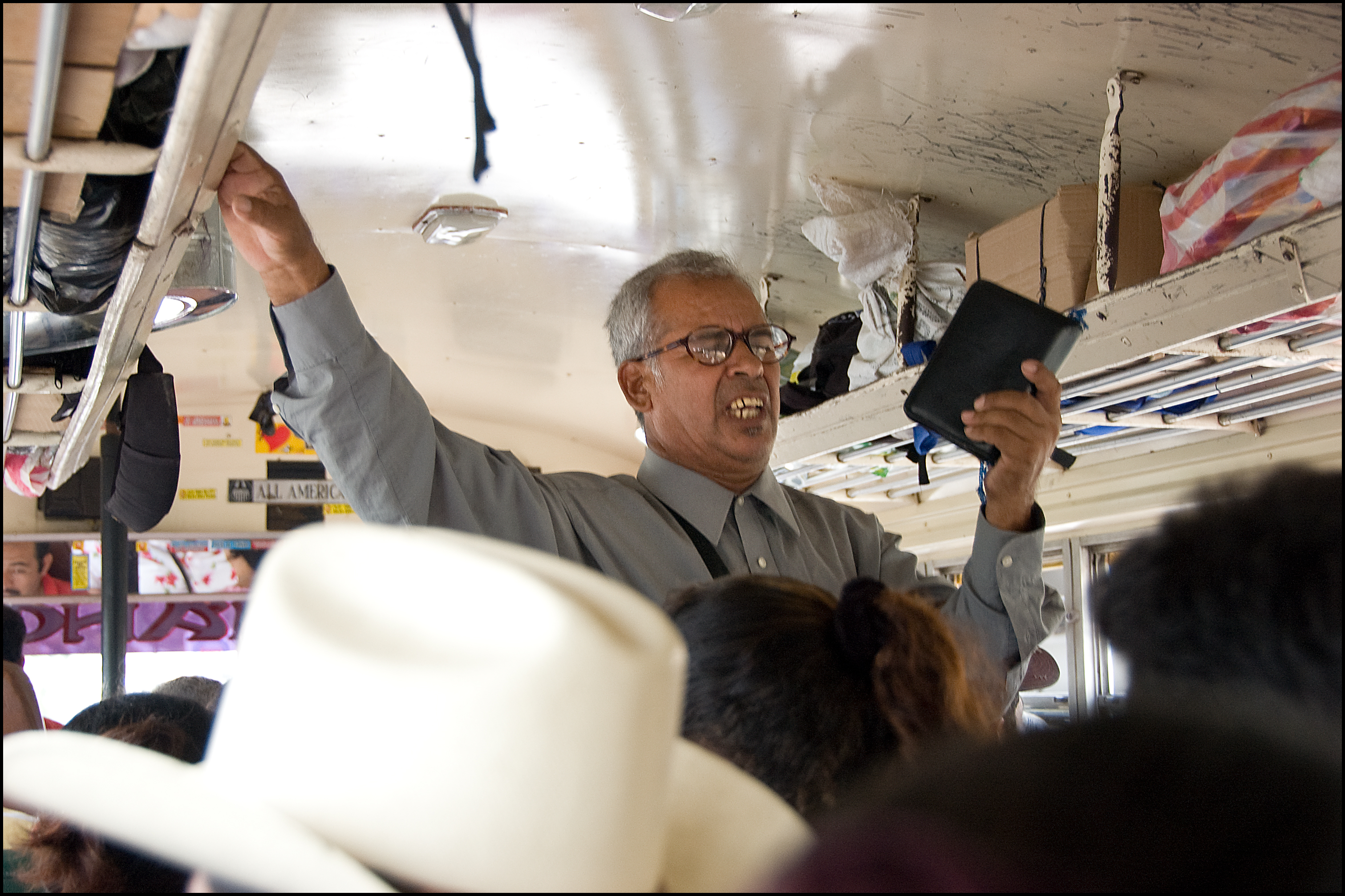
Through all of this, I was miraculously able to maintain my composure and attitude. I actually managed to get some brief shut eye at one point, aided by the soothing cadence of a loose muffler scraping along the highway. Throughout my interrupted sleep, I would enjoy the sounds of chickens yelping and babies crying over the next several hours. I just had to stay calm and convince myself that I was dreaming of eating KFC at a day care. I don’t know how long I was out, but when I awoke, I didn’t have quite the same calm demeanor as I had maintained for the first part of this trip. I kept feeling these drops of fluid land on my shoulder and arm. Drip. There’s another one. Drip. There’s another. What in the chicken shit is that? I looked up and noticed that somebody’s bag in the unsealed storage compartment overhead was about to burst with some sort of oozing liquid goop. I wasn’t sure if that was rooster blood or hot sauce. It was red and sticky like molassas, and it was steadily dripping onto my forearm and t-shirt. (Unfortunately, that napkin prayer hadn’t been answered yet.) Man, I’m like really pissed off by now. I’m quite over the whole “authentic experience” thing at this point. It’s hotter than a hog pen in Houston, these babies won’t stop crying, the muffler is still scraping, I’m having nightmares of being bloated from a lack of gastritis supplements and being attacked by talentless clowns, and now…above all…I’m getting a mother f***ing bloody Kool-Aid shower! And that, my friends, is about the exact point when I lost it and shouted out, “Get me off of this f***ing thing!!”
I still had 3 hours to go. Needless to say, by the time we reached the ruins, I was ruined.
That was the worst bus ride of my life.

Disclaimer: No Hondurans or Guatemalans were attacked or harmed during this journey. I’m truly a big fan of both countries and their wonderful people. I’ll just explore the option of flying next time.
Categories: Travel
Tags: bus, Central America, Copan, Gonzo Journalism, Guatemala, Honduras, Latin America, Mayan jungle, Mayan Ruins, Tikal, Tourism, transport, Travel
10 Comments
Foto Friday – 1.17.14
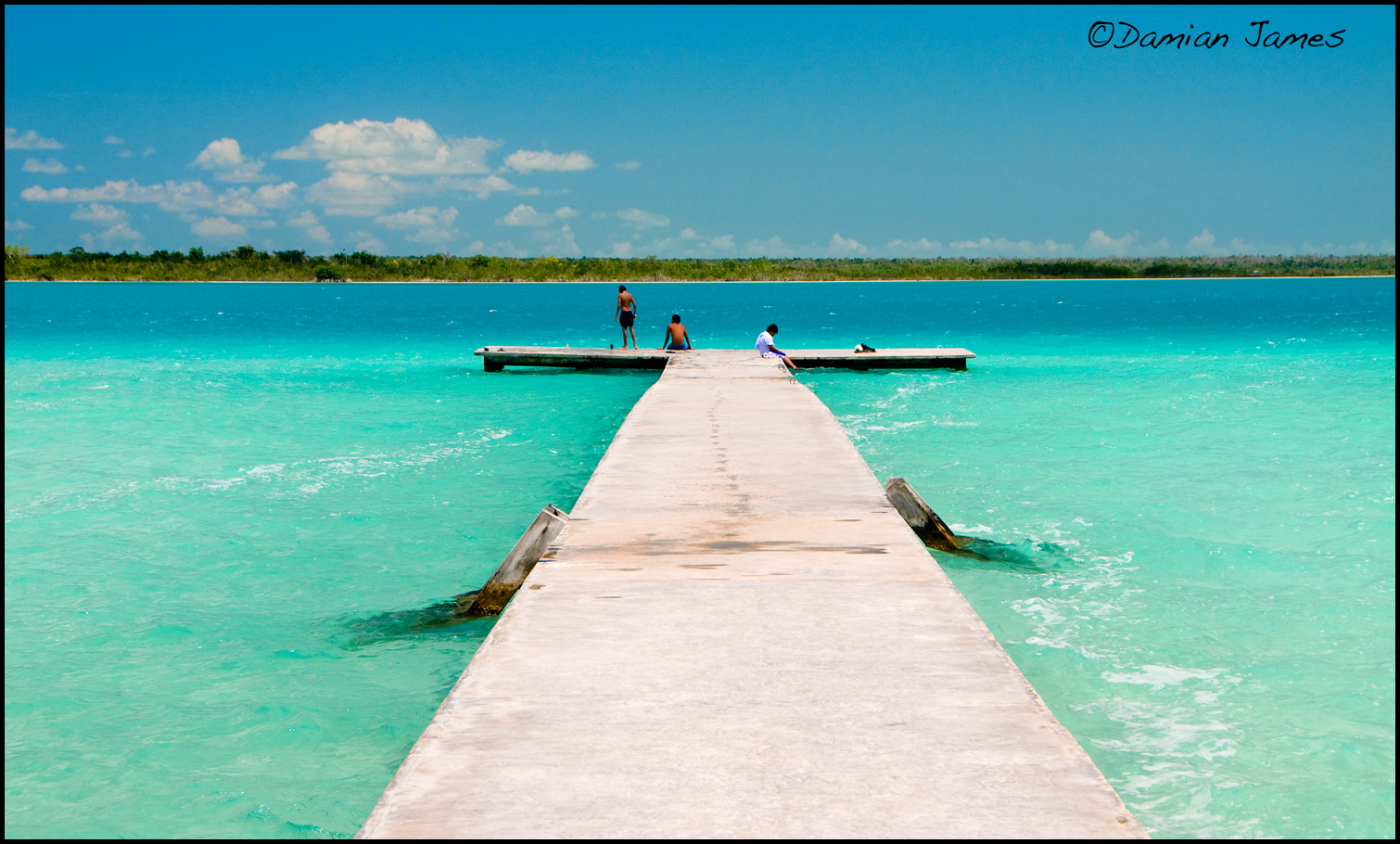
Ok, so I’m a few weeks late on kicking off this “Foto Friday” thing I committed to doing every Friday of 2014. I blame the Nyquil hangover (since I didn’t have any other shots on NYE). So, like my fellow gringo hip hoppers the Beastie Boys say…Let’s Kick It! This is an image from one my favorite places in the world…Laguna Bacalar, Mexico. I keep telling people, “wait ’til you see that water…wait ’til you see that water. It’ll make the Caribbean jealous!” This is a lagoon. White sand bottom. Warm like momma’s bathwater. An uber-chill spot on the globe that is still very much beyond the travel radar. And I’m just fine to keep it that way 🙂
Categories: Travel
Tags: Bacalar, Caribbean, Lagoon, Laguna, Laguna Bacalar, Latin America, Mexico, paradise, peace, pier, Quintana Roo, swimming, vacation, water
2 Comments
Beyond the surface – exploring Mexico’s “underworld”
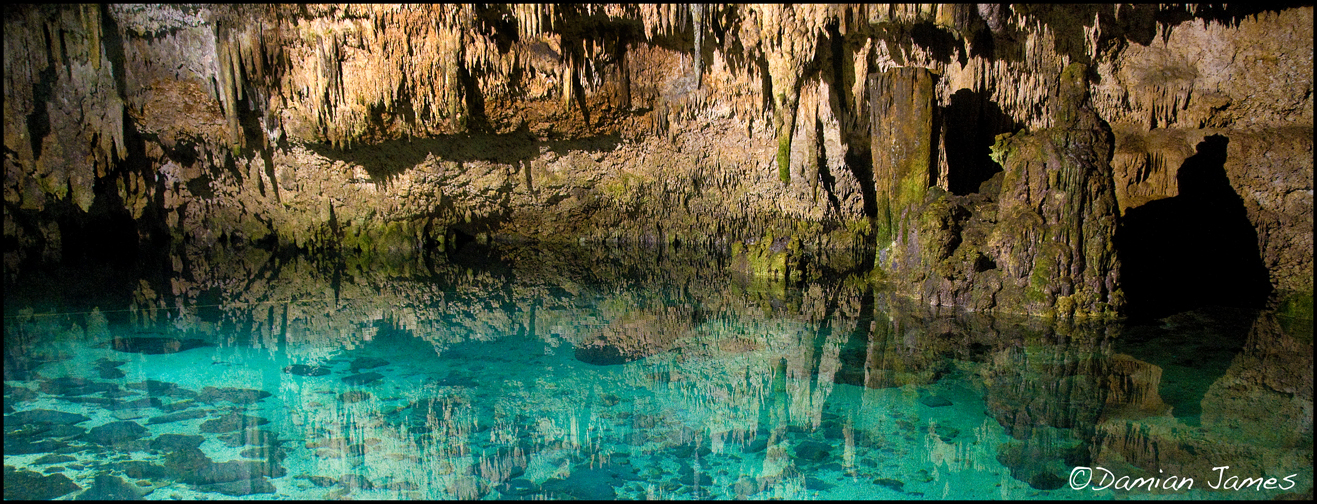
What if I told you I knew of a little place on the map where its truest beauty runs deep beyond the surface? A dark, sacred world that nourishes the roots of the storied land above it. A mystifying place where an ancient civilization once conducted ceremonies of worship and made sacrifices to its dieties. What would you say if I told you that for a few dollars and a shower you can visit this exotic and mysterious world and swim in its pure, crystalline waters under a natural dome of stalactites, subterranean roots and Neotropical bats? You’d most likely freak out with excitement at the opportunity…or simply just freak out. This isn’t a theme park attraction at Universal Studios folks. This is an amazing natural feature of the ancient Mayan land. These are the unique sites found in Mexico’s Yucatán Peninsula: Cenotes.
I had first heard of the cenotes (natural water-filled sinkholes) while researching my initial trip to the Yucatán several years back. Like most travelers to this part of the world, all I knew about this area was that you can climb a pyramid in the jungle, spend your days lazing on a dreamy beach and that there is a mega nightclub named after a frog somewhere in the city that represents the world’s premiere Spring Break playground. I had no idea that there was action beneath the action…like people swimming underground, diving through a network of water-forged cave passages and taking photos in their swimsuits and snorkel masks with insectivorous bats flying overhead…all while the rest of the world above is busy footslogging through Mayan ruins, sipping colorful rum concoctions and applying Aloe Vera to their sun-baked backsides. This created a fascinating level of intrigue to me…and to honor rule #3 in my Gringo With A Green Bag Travel Handbook: When the Gringo is intrigued, the Gringo must explore!
So, months later, I found myself on the outskirts of a little village called Chunkanán in the heart of the Yucatán. I was here because my research, and some trusted natives, pointed me in the direction of a town called Cuzama, where they said some of the best cenotes were located. I had heard that there was a way to see 3 amazing cenotes via a guided horse-drawn “truck” tour in this town, which lies only a short 45 minutes from the Yucatán capital of Mérida. But my introduction to the cenotes would not happen via this tour, rather via a result of my independent traveler-intrigued mind and faulty navigation, which led me to mistakingly pass the town of Cuzama and end up parked near a sign on the side of a dirt road several miles away that read “Cenote Aktun-Ha”. There were no tour guides here, no horses, no people, no rental cars, no hotels or post-card stands…my idea of paradise my friends! I had to see what the hype was with these cenote things. So, left turn down a road seemingly to nowhere…this is how it’s done.
I arrive at a traditional Mayan thatched hut with a few dogs outside and some children’s toys and clothing scattered throughout the area. A woman comes out of the home with a little girl by her side and I greet them with a “buenos dias”. I told the woman that I was looking for the cenote. She pointed to an area behind the house and said that she would lead me over to it. She politely asked for a donation of about 40 pesos ($3) to see the cenote. I eagerly paid her, and suddenly found myself face to face with this…

“Whooooooaaaaaa!”, I uttered in Spanish (it translates the same, I think)…then proceeded to back up a bit.
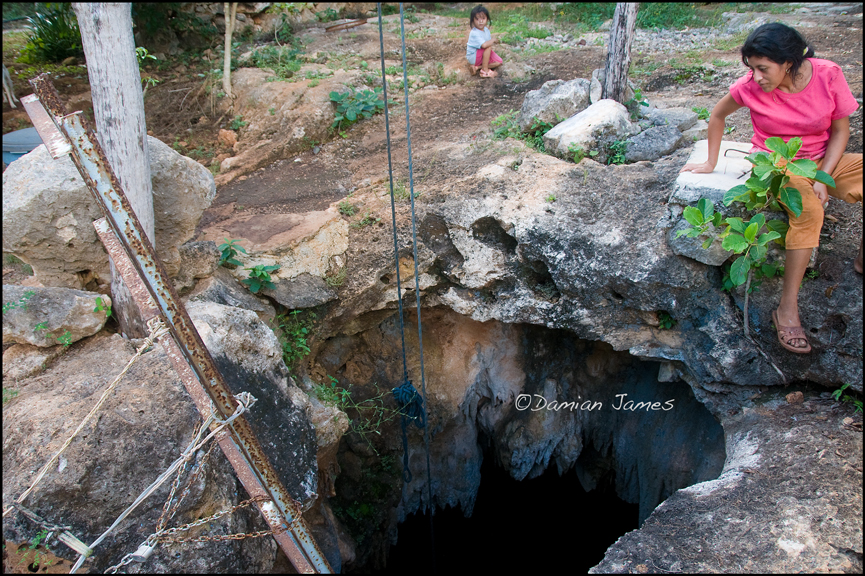
Are you kidding me?? Now I’ve done some risky & adventurous stuff in my lifetime, and have always come out alive, but usually I can see what the hell I’m getting myself into. I can’t even see the bottom of this thing! It’s pitch black down there! Holy Sinkhole, Batman! Heck, even the Dark Knight himself would probably think twice about scaling down that iron death rail. As a matter of fact, that’s exactly what it is…an old rail track from the henequen industry days, welded to another one below and converted into a ladder. Look at how it’s rigged…rusted chains and weathered rope bound to a suspect piece of rock…is there an insurance policy included in that 40 pesos?? And what was that other rope for? To carry out the remains of unfortunate tourists who never made it back up?? Ok, calm down…after a few deep breaths and a reinforced blessing of confidence by my host, I tightened the straps of my green bag, checked the structural integrity of the ladder and headed down into the darkness.
Descending the vertical railway into this dusky cavern was an adventure all to itself. It felt sturdy enough (a bit wobbly), but at about 40 feet up from the bottom, there was ZERO room for error. One slip and you’ll be considered the next sacrificial subject to the Mayan Rain God, Chaac. I slowly lowered myself down in true baby step form, headed towards a glimmer of water down below at the base. (You really don’t want to look down, as they always say.) I noticed a good number of spider webs criss-crossing the corroded metal frame that was functioning as my life support, which led me to wonder when the last time was that someone had actually been down here. Then, all of the sudden I hear an eerily familiar “squeek, squeek” sound. Yup…you guessed it…freakin’ BATS! Two feisty bats zipped right across my head, with several others hanging from the ceiling of this crazy underground Legend of Zelda looking labyrinth, which just made me want to get to the bottom faster. I finally get to the last few steps and find them submerged in about a foot of water. Damn. Off go the shoes I guess. There just happened to be a bucket within reach on the end of that rope, which I’m sure is intended for retrieving water and not for storing Nike cross-trainers. But walking around all day with soggy feet sucks, so it served a practical purpose for me.

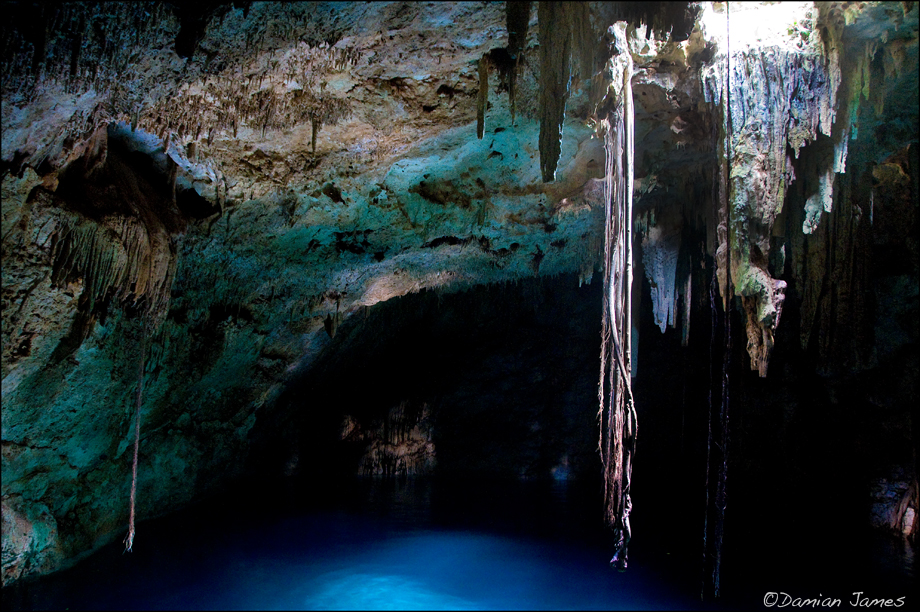
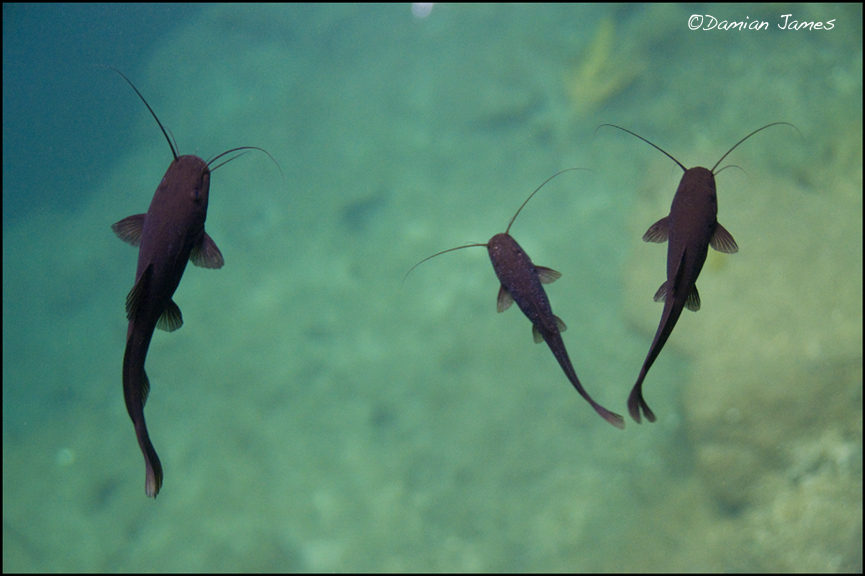
Once I was able to secure my footing and get a 360 degree view of this place, I was left stunned. You can’t even imagine that something like this exists below the ground above, which is pretty much a flat, consistent layer of porous scrub jungle. This was an outer-worldy underworld. What time was the warlock returning to close his sky roof I wondered? It’s obvious why the Maya viewed the cenotes as sacred sites and portals to the next life. This place emitted strong metaphysical vibes concealed under a dome of unimaginable beauty. The fresh cenote water (home to a rare species of eyeless fish) is as strikingly blue and clear as you’ve ever seen. Formations of stalactites and stalagmites above and below face off like armies on opposite ends of a battlefield. The air was thin & humid and I was melting like a snow cone in Sedona. A splash of crisp cave water on the face never felt more refreshing. I spent a good 45 minutes down here all by myself (except for those bats dangling overhead), photographing the details of this murky and fascinating underground lair while sweat steadily dripped down on my dewey camera with the frequency of a metronome. This was an amazing experience. And to think, had that little section of limestone rock not caved in from above, this place would have never be seen by a human being. That’s the beauty of the cenotes…there are literally thousands of these throughout the peninsula, most of them still undiscovered. Luckily for us, many of them have been discovered, and you don’t have to go far from wherever you are in the Yucatán to see one. Now, hold that ladder lady, I’m comin’ back up!
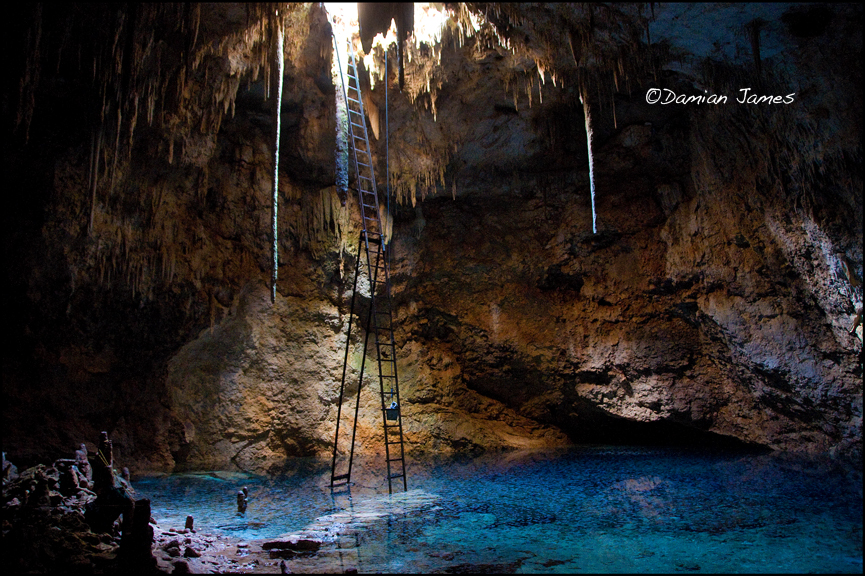
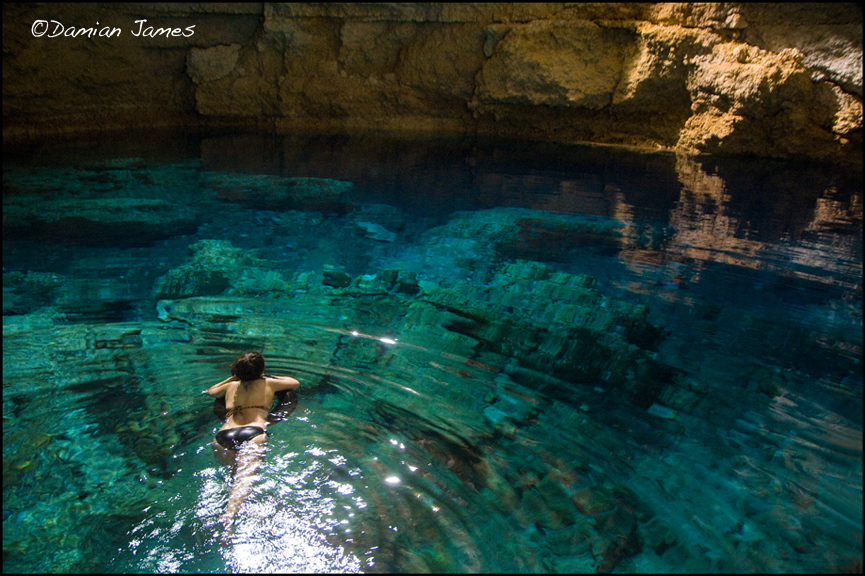
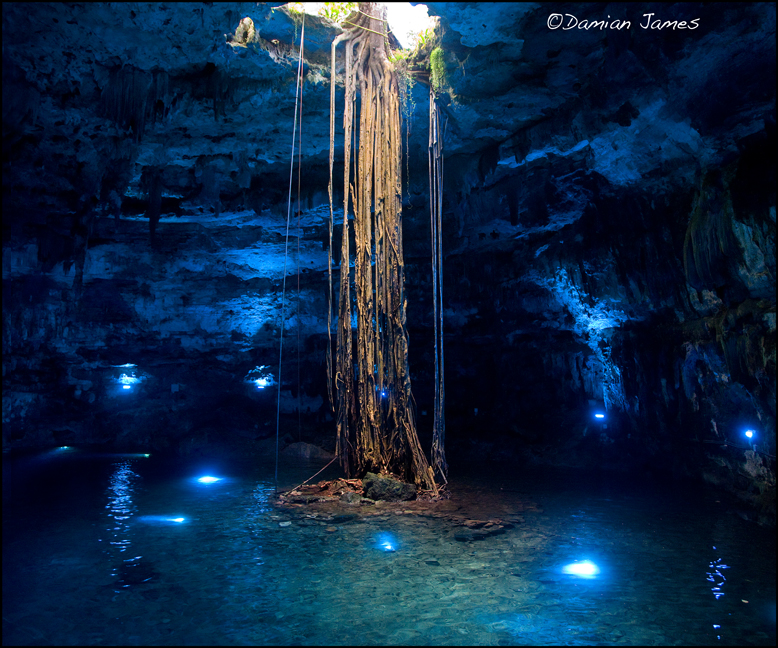
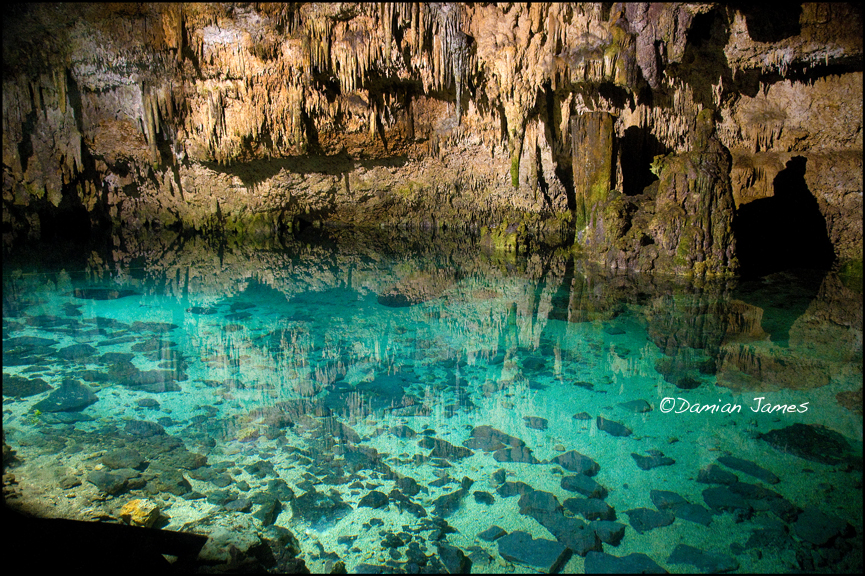
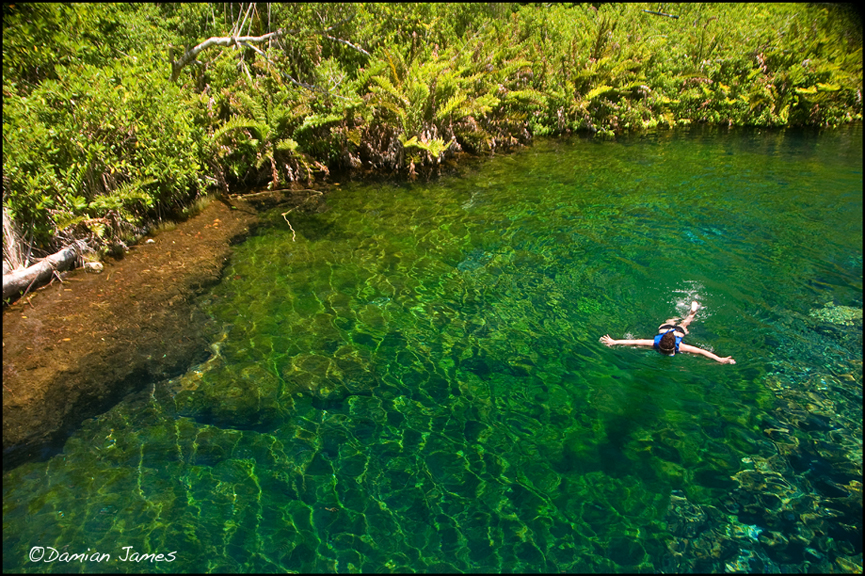
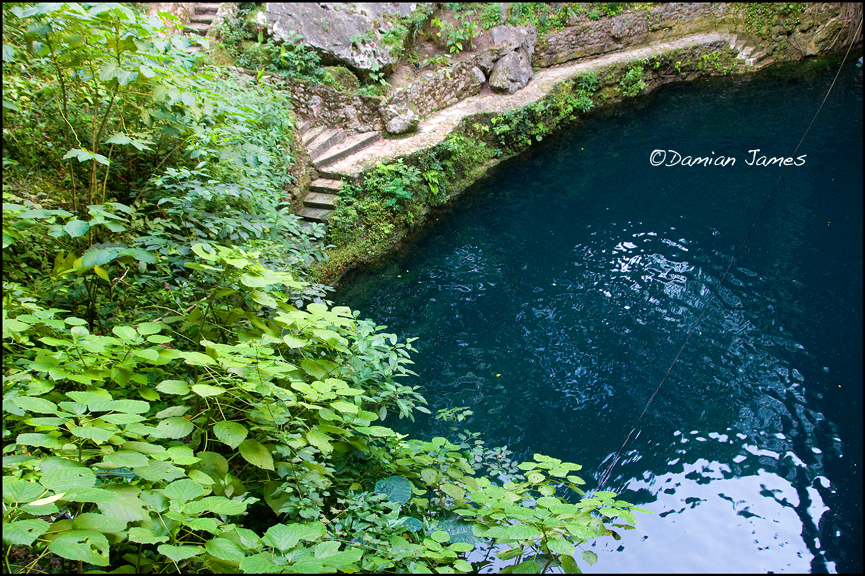
Since that initial Indiana Jones escapade down into my first cenote, I’ve had the opportunity to explore many more, and they are all glorious. They definitely earn top rank as the highlight of my experiences in the Yucatán Peninsula. Besides their remarkable beauty, they are all so unique in size, ambience and form. While most are found underground (easy to access, thanks to the locals who maintain them), there are also many that lie right on the surface. To attempt to describe each one with a worthy level of descriptiveness would grossly over-estimate my ability to do so. Therefore, I’ll shut up and let the images do the talking. All I can say is, if you come to the Yucatán, kick off your shoes, put your adventure hat on and get to know these unique natural wonders that the Maya dubbed “Ts’onots” (“wells”), referring to any place with accessible groundwater. Some are more easily “accessible” than others (as I learned from my first cenote experience), but the true adventure lies in one’s willingness to explore the unknown.
Contrary to popular belief, the Mayans never attempted to predict the “end of the world”. However, they were among the lucky few to discover sites like these…where the physically familiar world we know ends, and an unfamiliar one begins. That, my friends, is what draws me to travel. Encounters with the unfamiliar always result in fresh ink in the diary of life experiences. So get your pens ready and add Mexico’s cenotes to your bucket list. Just don’t forget your shoes on the way out. 😉





Categories: Travel
Tags: adventure, caves, cenotes, diving, Latin America, Maya, Mayan, Mayan jungle, Mexico, nature, Nikon, photography, snorkeling, swimming, Travel, underground, underworld, vacation, Yucatan, Yucatan Peninsula
1 Comment
Familiar paths, familiar faces…
On my first trip to Mexico’s Yucatán Peninsula in 2011, the one thing I was most fascinated to learn about and photograph was the lifestyle of the modern Maya people. After all, it is among the most mysterious and renowned cultures to ever make it into the history books. If I were gonna travel here, I was gonna be sure to experience some true modern-day Mayan flavor…and not let the movie Apocalypto haunt me with images of black jaguars and savage natives chasing me through the jungle. I also had to find out about all of this “end of the world” ballyhoo. So, I set out to explore some villages in the Mayan heartland to meet the locals and take some “authentic” photos of life beyond the tourist decoys, sunburned drunks and tequila-soiled beach bars of Cancun and the Riviera. Not that I have anything against sunburned drunks, I’ve been one on several occasions. But I have matured as a traveler, far beyond my port-crashing Navy days of old, and my mission for this particular visit was to ensure that the best “shots” I would get during the trip would be the ones produced by the camera, not by Pedro the bartender.

During my 2 weeks there in 2011, I visited a dozen or so villages and met some of the nicest and most generous people that you can imagine. I would speak with them, accept an invite into their homes (have a few beers at some, play with the kids at others) and learn a little about who they are and what life is like there. It was exactly what I had been looking for. This was the “real life” that most travelers never get a chance to see. Of course, before I would bid farewell to each of my new friends I met on that trip, I had to work my camera into the game. I would kindly ask for a photo as a keepsake for my travel archives and would be pleasantly, and sometimes shyly, granted permission every time. Luckily, the Maya are nothing like those stuck-up broads at the Playboy convention who demand $15 per photo.
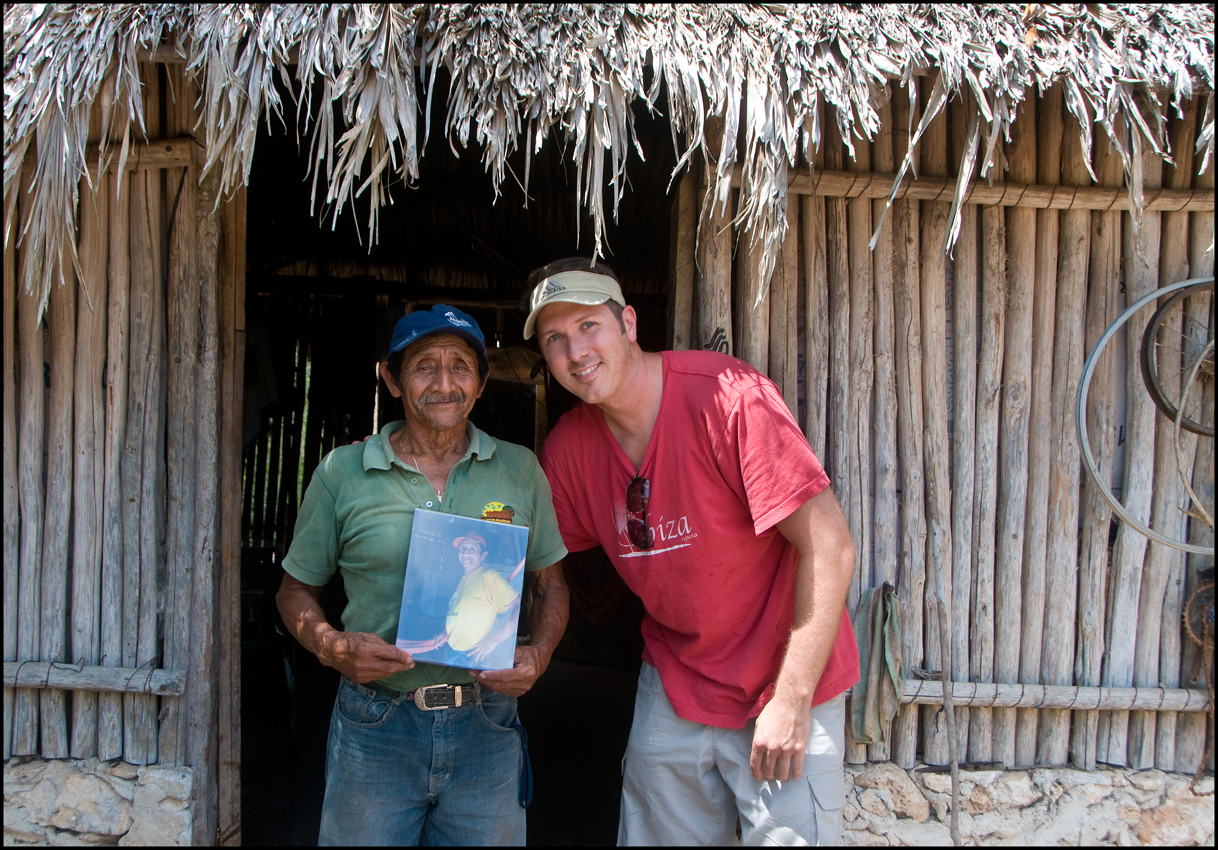
So, on my return trip to the Yucatán this past April with my girlfriend, I thought it would be really cool to visit my village friends once again and present them with a copy of their photo. It was the sort of project I had wanted to do for a long time, but was just waiting for the right opportunity. I whipped up about 14 prints, ironed out my maps and made my way back through the same village route that I had traveled back in 2011, on a mission to find each of my photo subjects where I had originally met them. How would they react? I had no idea, but would soon find out.  My first stop was the village of Nuevo Durango, 6th house on the left. I had met Señor Jose here a year and a half earlier. Señor Jose will always represent my introduction to the world of the modern Maya, as he was the first person I met in my travels there. I remember first seeing his innocent, puppy dog eyes and smiling face as I entered the village. It struck me as an irresistible opportunity to get a nice portrait of a local Maya man in his traditional home. I knew I had to stop and say hello. In that initial encounter, I introduced myself to him and commented that I liked his house. Next thing you know, he invited me in and showed me the inside of his rustic, one room “palapa” hut. This was my first time inside a Mayan dwelling. It was awesome to see. The simple life is truly defined here…hammock for a bed, a weathered wingback chair, basic cooking and eating utensils, an old television, mini-fridge, and plenty of tools for collecting food and cultivating the land. He spoke of his life there and gave me some delicious guava fruit from a tree in front of his house. I asked for a photo, and he agreed. After getting a great portrait, I said goodbye and I left feeling like I’d just had the coolest experience I would probably end up having on the entire trip…first village, first stop, first encounter. Upon arrival this second time around, I was eager to reconnect with Señor Jose . Unfortunately, he wasn’t home when we arrived, but his son who lived across the street told me he was around town and didn’t know when he would return. His son was probably wondering if I was a government liaison looking to bring his father in for questioning or something. I explained how I knew his father and showed him another portrait of a gentleman I had met in one of the fields on the outskirts of the same town. I asked the son if he knew where the other guy lived. He responded, in Spanish, “Yes, that’s Don Siviliano. He lives 3 houses down.” Luckily for me, the average village only has about 200 people or so. A local directory service probably isn’t in high demand when you can just stop and show someone a photo of who you’re looking for. 🙂 So, I decided to go knock on Mr. Siviliano’s door while I waited for Señor Jose. My girlfriend and I approached the house and saw a man lying undisturbed on a hammock inside. I walked up to the door and greeted him. I immediately recognized the face as Mr. Siviliano’s. He appeared to be dressed more in “vacation mode” than when I first met him working in the corn fields under the harsh mid-day sun in 2011. His flowing silver hair was naturally impressive, as its shorter version had been tucked under a hat when I last saw him. I asked “Do you remember me?” He grinned instantly, nodded, and was sort of speechless with surprise, as you can imagine. I mean, how often do foreigners show up to your door with a photo of you that they took on a previous trip to your country? I’m guessing never. I imagine it doesn’t happen in the remote villages of Mexico much either. After his initial bewilderment settled, he thanked me for the photo with a humble grin and asked me, “How much do I owe you?”. My girl and I melted from his warmth (in addition to the blistering heat of Mexico’s interior) and explained to him that it was a gift. I told him that he looked thinner and younger and he responded with a chuckle and a “muchas gracias”. The universal compliment, works every time. :] After a brief conversation and “catch up” session, he graciously posed for an updated portrait, thanked us and wished us well in our travels. That was something out of the “super cool” book right there. I knew right then I was really gonna enjoy this journey.
 After visiting Mr. Siviliano, we decided to drive through the village hoping to spot Señor Jose. I handed my girlfriend his photo and directed her to “look out for this guy”. We saw an old man approaching us on a bicycle cart (typically used by locals to haul wood, food, or building materials). With an exuberant tone, I said “This could be him, it looks like him.”. As he got closer, sure enough, we confirmed his identity and were both elated with excitement to find the first friend I had ever made in the Mayan world. I stopped the car, showed him his picture and he immediately displayed that infectious smile and made the instant connection with the same amount of enthusiasm as Mr. Siviliano. We decided to meet back at his home to reminisce a bit. Señor Jose is one of the most endearing people you will ever meet. He opened his doors to us and welcomed us inside to chat and escape the heat. The inside of his home seemed like nothing had moved since I first saw it almost 2 years ago, almost like some sort of exhibit. He seemed really pleased with the photo and the efforts we made to visit him. He just kept thanking us and giving us hugs of gratitude. He shared his story with us that his wife had died 25 years ago and that he’s lived by himself ever since. He is a genuine, hard-working man who seems to endure with the guidance of the blissful memories of his past. I really enjoyed visiting with Señor Jose. I politely set him up for his “2013 portrait”, he posed graciously and he hugged us each once again as we made our way onward to our next destination. I hope to reunite with Mr. Siviliano and Señor Jose again someday. Maybe I’ll bring my DJ gear along and we can throw a block party.
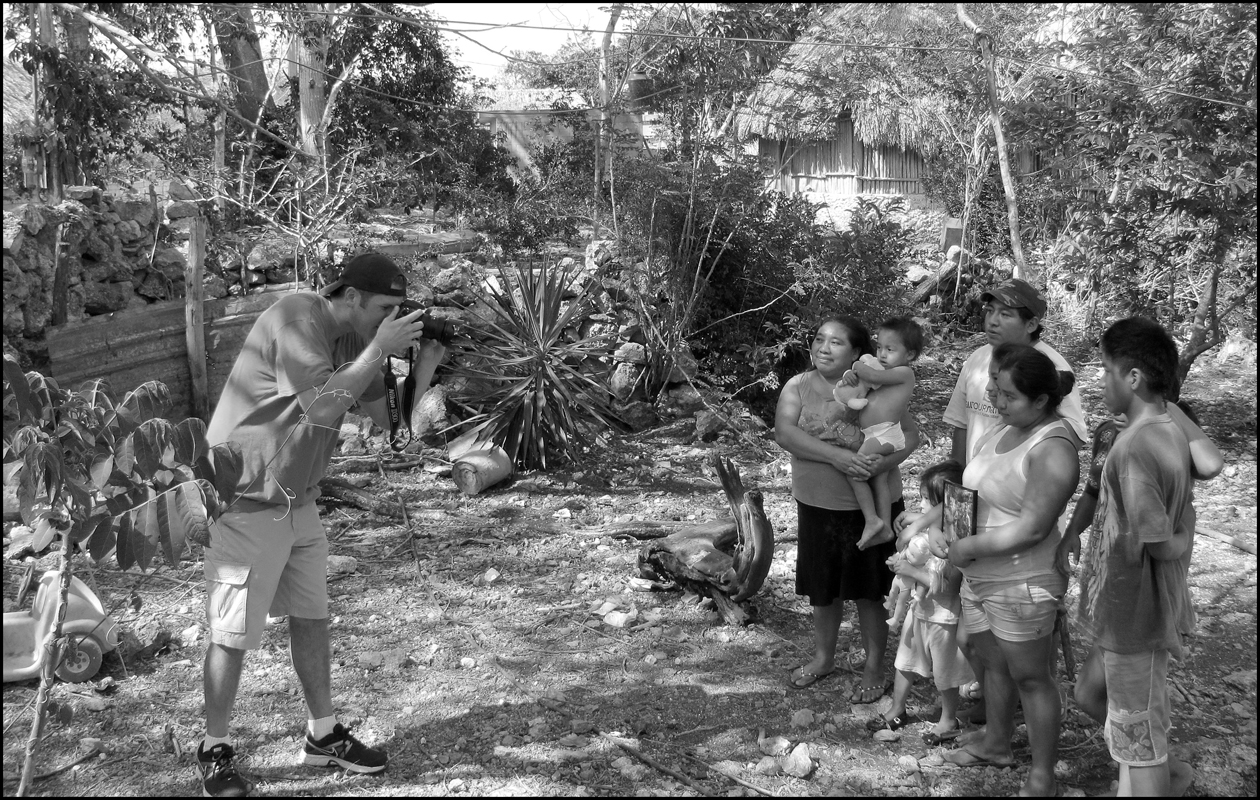
 The next stop on my quest was in the village of Tres Reyes. I had met a family there with whom I had spent the most time on my previous trip. A few new roads in town threw my bearings and memory off as to the exact location of their home, but a nice local villager pointed us in the right direction upon seeing the photo of the family. This was the home of Doña Dora. This was a really interesting visit, because when I said goodbye to them last time, I mentioned that I’d like to return sometime and they gave me a phone number and said that I should call them if I ever came back so they could prepare a nice meal and provide accommodation. I view that as friendly dialogue, sort of a general and casual invitation, not really expected to be acted upon literally. So, I didn’t call. Just showed up. I guess I like the element of surprise. In hindsight, a deliciously prepared home-cooked meal would have really hit the spot upon arriving the second time around. The family was really surprised to see me walking up to the house, unannounced, with some photos and a few toys for the kids, as they would let me know: “Wow, you should have called us, we wanted to cook you a nice meal! We were waiting for your call last year but never heard from you.” They really wanted to show off their cooking skills apparently!
  This family is sweeter than Mayan Chocolate Cream Pie. (The Mayans did cultivate the first known cocoa plantations ya know.) Visiting with them and seeing their home is how I would describe the typical Mayan family living in the 21st century. There are 5 kids and 3 adults, all living under one roof constructed of palm fronds layered over a frame of vertical wood beams supported by a concrete foundation. The doorways seem designed with the height of a Smurf in mind, which is always fun for my 6’1” skeletal frame. The home is divided in two, separating the living space from the kitchen space. All you’ll find inside are the bare necessities to get by. There’s some hammocks, cooking utensils, pots and pans over an open fire pit, a wooden table, buckets for storage and carrying water, farming equipment, and some scattered clothing and toys for the kids. They raise pigs, chickens and turkeys for food and commerce and access water from a well behind the home. When you talk with them, you would think they live the most comfortable lifestyle in all of the Peninsula. They all smile from ear to ear, and seem generous beyond words. It was a real treat to see how a family of 8 can live a happy and self-sustaining life with the absolute minimum of resources and amenities. I actually had 4 photos to give to them, as the kids were so adorable to shoot that last time around. They delightedly posed for a few new photos, showed us around the house and reinforced their invitation for next time with an updated phone number. Believe me, I will be redeeming that invite for some Mayan home cookin’ next time ’round!

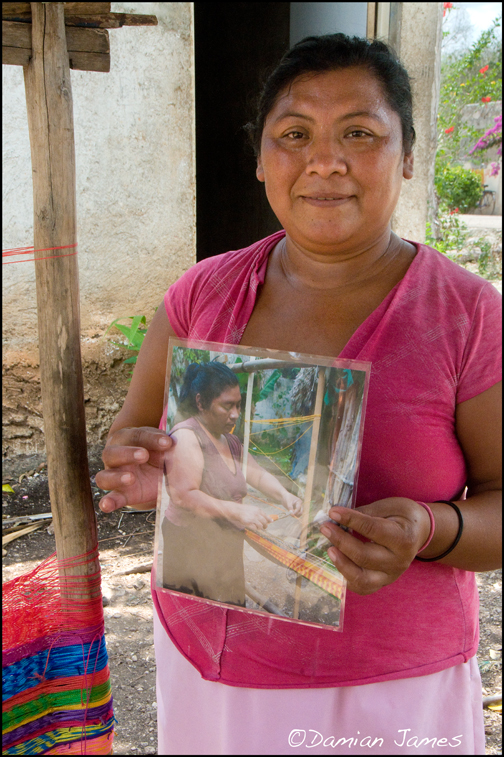
 I had several more stops and photos to hand out in the remaining days of the trip. To my delight, I would find everyone I was looking for in a handful of villages scattered throughout the area. From the cute kid who had painted his face like a Mayan warrior to the lady who crafted beautiful hammocks in her front yard…they were all just there, not waiting for me to come by, obviously, but it had almost seemed that way. They all expressed the same sense of shyness, gratitude, surprise and openness to being photographed once again. There was one lady, however, who wasn’t quite ready to have her new photo taken upon my arrival and request at an early hour of the morning. Though she did ask me if I could come back in an hour so she could put some makeup on, lol. Women will be women no matter where you go! She did clean up pretty nice, I won’t lie. Then there was another old lady I was looking for who I had met in an outdoors market, but the market was closed upon arriving the second time. I was about to throw in the towel on that one until I got up off the stool for the 12th round and I decided to ask a few ladies that were sitting next to my rental car watching a soccer game if they happened to recognize the woman in the photo. When you get a response from a random bystander of “That is my mom!”, that’s when you know this was all meant to be. 🙂 She asked her young daughter to take me to find “grandma”, who was not too far from where I had photographed her the first time. Grandma was wearing a similar traditional Mayan dress as she was in my original image, so I knew it would be a great photo to show the “then and now”. Her friends giggled as I set her up for a photo, and she maintained her composure while I snapped a few images and thanked her for being such a wonderful model.


After finding “grandma”, there was only 1 portrait left to deliver. I knew finding my last photo subject would be a little tricky, as I had met him at a roadside fruit stand on the side of a highway about 3 hours south. Luckily, I was able to narrow it down to about a 25-30 mile stretch. Keeping my eyes peeled among the dozens of roadside fruit vendors, I eventually recognized the stand where I had found the man with the blue shirt and smartly-styled straw hat, but it was an empty stand. My technique of asking around to locate someone hadn’t failed me yet, so I gave it another shot. The vendor across the street confirmed the identity and location of my photo subject, saying he would probably show up in about an hour. My thoughts: “Hmmmm…an hour…man I’d love to hang out and present him with his photo…but I have a long drive back and a full day of snorkeling and beach bumming lined up…what if an hour turns to 2 hours??…time stands still for everyone in this part of the world…who knows when he’ll show up…but it’s my favorite photo of them all…he’ll be thrilled to see me…I really want a new photo of the guy…Caribbean is calling my name…hungry girlfriend in the car…damn it’s hot out here!…agghhhhh…ceviche and cold beer with my feet in the sand…uh…SOLD!” I’m a sucker for ceviche and cold beer! So, here is the photo of the man with the blue shirt and smartly-styled straw hat…left exactly where I found him, with a little note tacked behind. I would have loved to see his face when he arrived to find a mysteriously placed 8×10 portrait of himself waiting for him at his workplace later that day. I imagine his smile would stretch even further than it had in the picture. Maybe I’ll have another opportunity to find out from him someday. Like I said…it was all meant to be. 😉 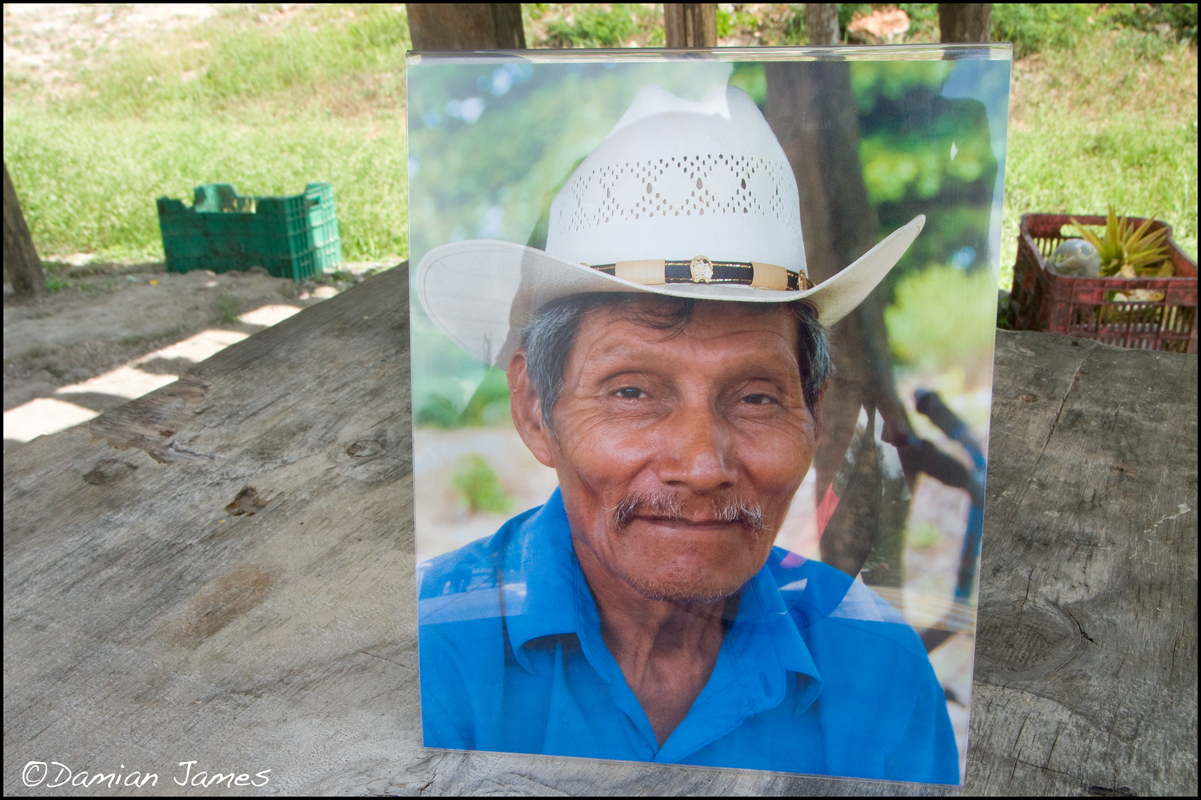
Categories: Travel
Tags: culture, Ek Balam, jungle, Latin America, Maya, Mayan, Mexico, Nikon, Nuevo Durango, people, photography, portrait photography, Quintana Roo, Travel, Tres Reyes, vacation, villages, Yucatan
2 Comments
Brazil! My Top 10 favorite spots
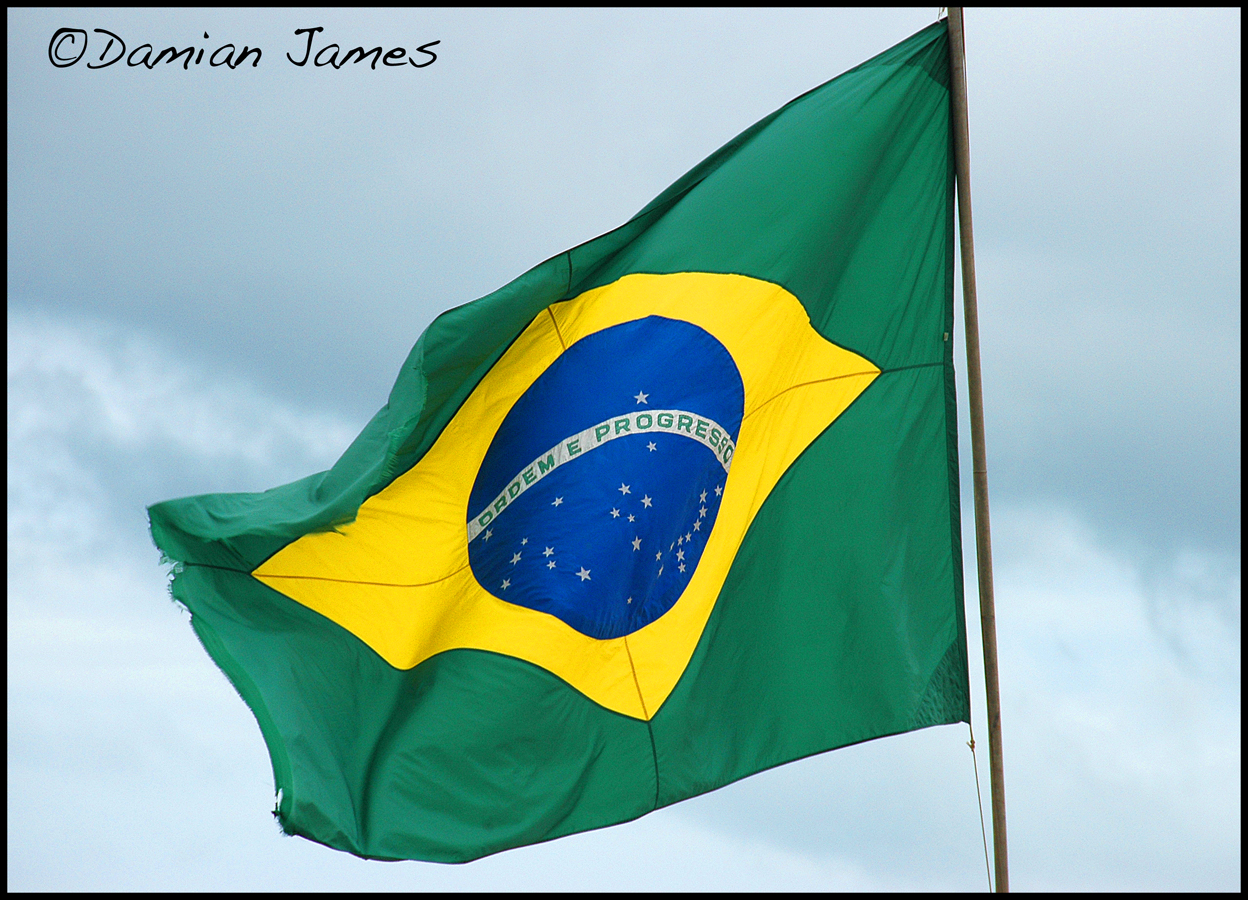 Mention Brazil to most people and their mind instantly conjures up images of bronzed beach bodies, soccer (futebol…oops), samba and Carnival. Yes, the aforementioned are definitively Brazilian…but there is so much more to this country than what the “mainstream/media” mentality suggests. First, they speak Portuguese in Brazil, not Spanish, so I’m happy to clear up that little misconception right off the bat (though I’m still considered a “gringo” in both languages). In addition to the stunning beaches and festive atmosphere that is widely promoted with the Brazilian label, there exists a bevy of cultural, historical and natural sights that every visitor would be keen to keep on their radar. Here’s a list of my Top 10 favorite places in Brazil (in no particular order, cuz they’re all awesome). I can only speak of the places I have been to, so please don’t get riled because I haven’t listed the Amazon on here (it’s on the bucketlist…I’m working on it).
JERICOACOARA
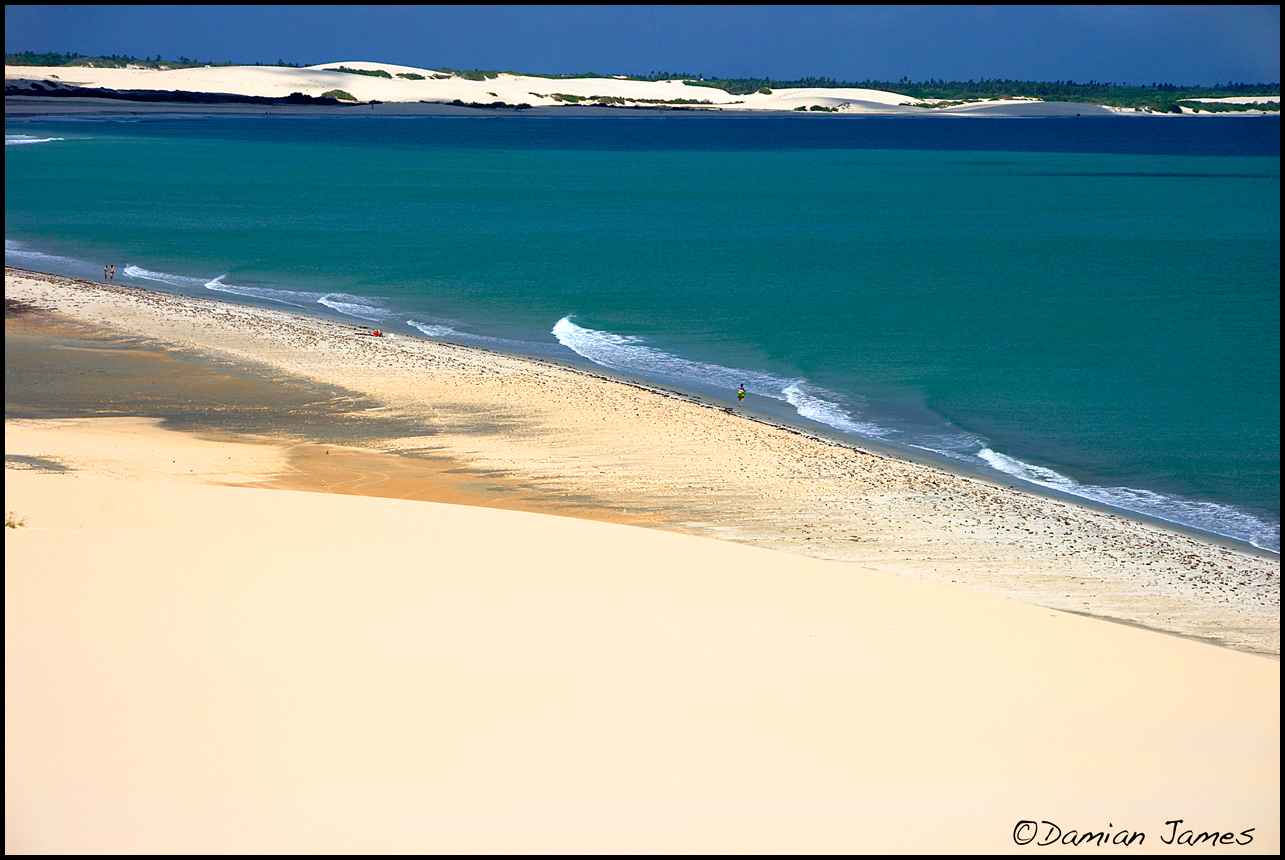
When people speak of “wanting to get away from everything”, Jericoacoara is the place they are imagining. A remote village on Brazil’s northern coast, 150 miles from the closest big city and only accessible by bumpy dirt roads, Jericoacoara is a true “known little secret” on the Brazilian map of secluded and wildly beautiful places. Sand dunes and sea dominate the landscape here, with the wind constantly shaping the dunes like a sculptor under the sun. It’s topographical uniqueness, with massive sand dunes bordering the paradise-blue Atlantic Ocean for miles and miles, makes for a natural setting unlike any place you might imagine. Though Jeri has been on the radar of the independent traveler for some time now, it has retained its unspoiled village character and “getaway” vibe…with no paved roads, stoplights or high rises…nothing more than about six sandy streets filled with just enough cozy hotels & bungalows, restaurants, bars and shops to accommodate its visitors. Due to its unique geographic location, it is one of the few places in all of Brazil where you can see the sun set over the Atlantic, which has become a daily tradition, as everyone treks up to the top of Sunset Dune each evening to watch the last bit of sun fall behind the horizon. I’m from California (home of the perfect sunsets 😉 ), so typically it wouldn’t be a big deal to me…but in a place like Jericoacoara, every minute is a moment to remember. I knew I was in a different kind of place when a stray cow strolled right past my table while I was eating outside at a local pizzeria one night. Poor guy was probably on the menu the next day.

COSTA VERDE
Between the states of São Paulo and Rio de Janeiro lies perhaps the most beautiful stretch of coast in all of Brazil. Called the “Green Coast” for a reason, this lush and dramatically stunning slice of mountainous coastline travels through what remains of the original Atlantic Rainforest, passing along some of the best beaches in the country. The coastal road winds its way around verdant mountains, forest, quaint beach towns and dramatic views of the Atlantic for nearly the entire stretch…providing access to a host of tucked away beaches where one can stop and set up shop in the idyllic setting of their choice. Yup, this drive pretty much ruined it for all the beaches back home. Sorry Newport and Huntington, please don’t take it personal.
RIO DE JANEIRO

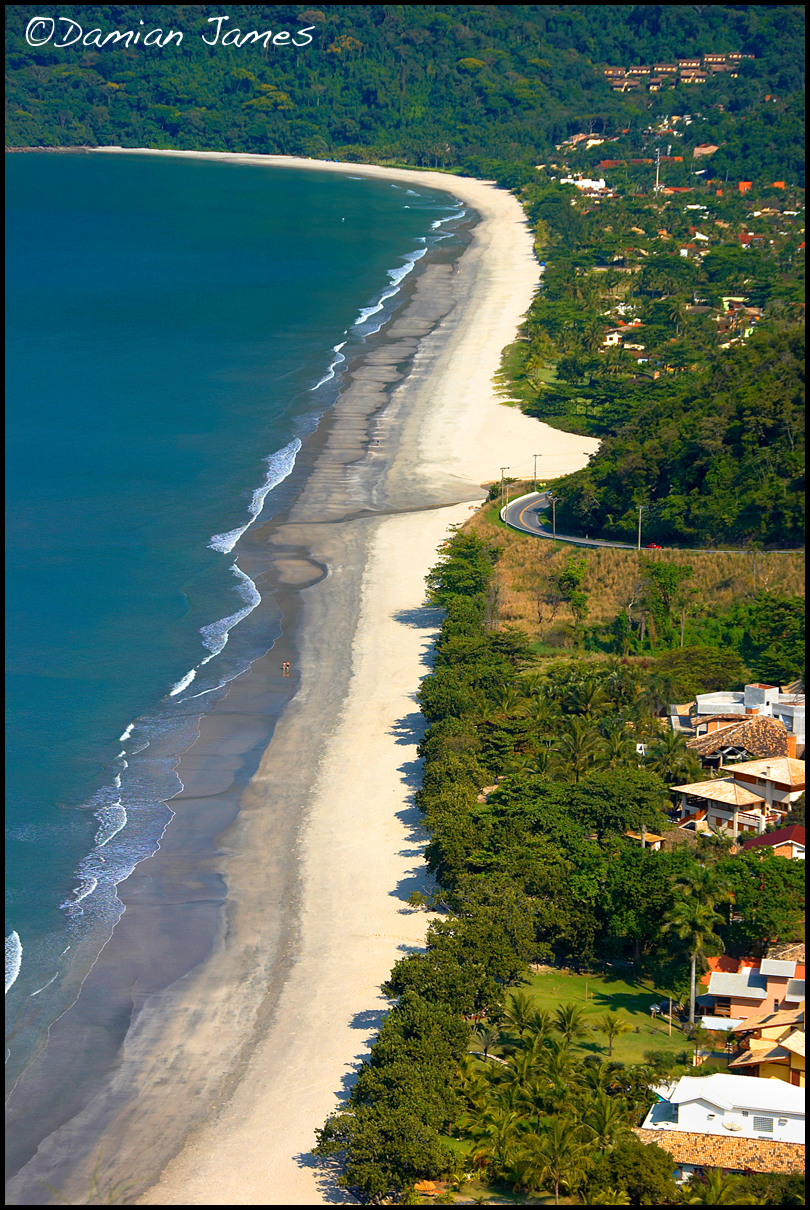
Home of the Carioca, samba, The Girl From Ipanema, Copacabana…Rio’s reputation surely proceeds itself. Brazil’s most popular city also has one of its most dramatic natural settings, and plenty of sights and sounds to keep you entertained for the duration of your time there. With world-renowned beaches like Ipanema and Copacabana, one doesn’t have to stray too far from the coast to enjoy the best of what Rio offers up to its visitors. There is a constant energy felt here…whether it’s the carefree and friendly beach vibe of the local Cariocas or the spirit of Carnival warming up for its grand appearance each February. Rio will keep you moving to its native beat, and invite you to sample more the longer you stay there. After touring the “must-see” sights like Christ The Redeemer and Sugar Loaf, I recommend ignoring your hotel receptionist’s inauspicious advice and take a tour into one of Rio’s many favelas (shanty towns) for an opportunity to experience the “other side” of the city. The day-to-day life in the favela provides a fascinating and raw contrast to the upscale, heavily-promoted tourist side of the city. In spite of the difficult living conditions you will find here, the people who live in the favela are extremely genuine and welcoming…retaining the same smile and hospitality that you will find throughout the entire country.

SALVADOR

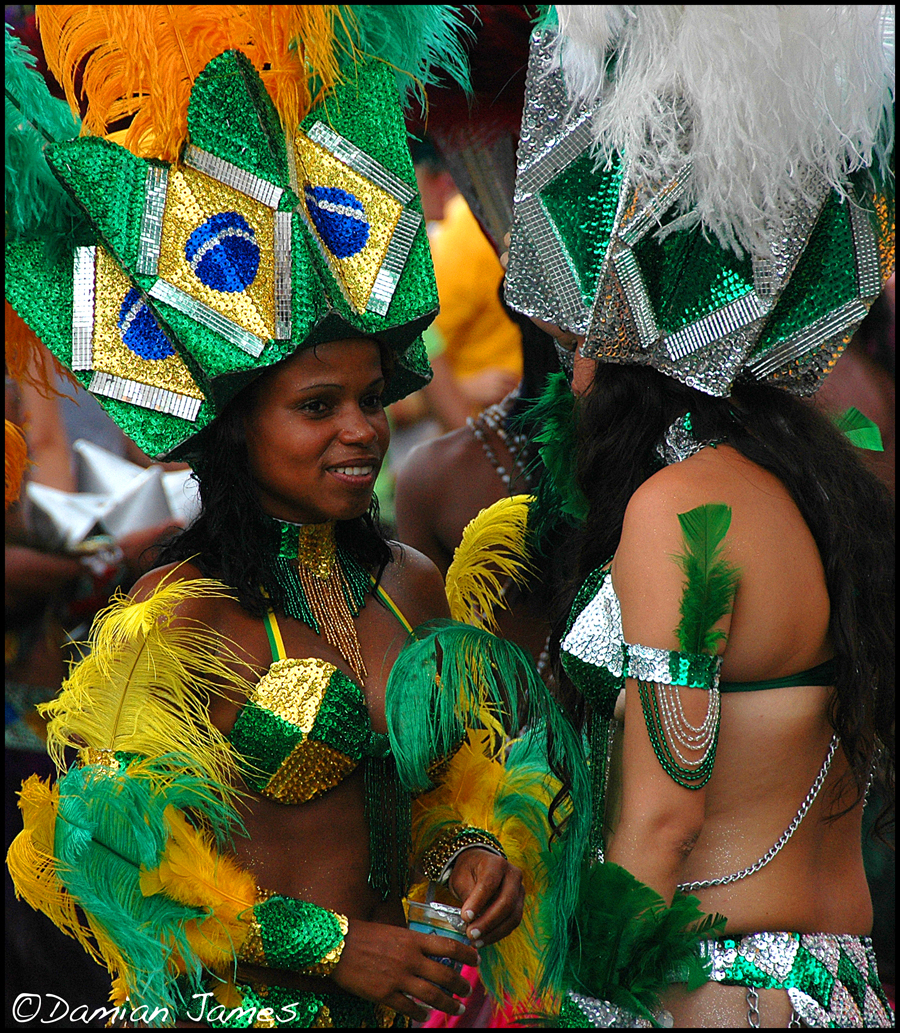
When I think of what makes Brazil unique to the rest of the world, one can’t deny that the African influence has shaped this culture more than anything else. Salvador is the place where it all began. As a former capital and center during the colonial slave trade era, Salvador has remained the heart and soul of Afro-Brazilian culture. The influence is profound in its music, dance, food, religious practices and physical make-up of its people. The roots of Capoeira (a Brazilian martial art form of dance which evolved from the slaves) were planted here, and many of Brazil’s most prominent artists and celebrities call Salvador their home. (This is Adriana Lima’s turf!) The city is vibrant and colorful, with beautiful colonial architecture found throughout its historic city center (Pelourinho) and plenty of beaches to escape to once the sight-seeing is done. Known as Brazil’s capital of happiness, the people of Salvador (and it’s state of Bahia) have a reputation of being relaxed, easygoing, and fun-loving…even by Brazillian standards. (When I say relaxed, I mean like 15 minutes to get a glass of water at a restaurant kind of “relaxed”. But you’ll get used to it. They always service with a smile.) 🙂 There is an infectious rhythm to the city, and you won’t go far without hearing it, feeling it or finding some sort of party that seems to be never-ending throughout the streets of Salvador. Speaking of parties, its Carnival is considered by most Brazilians to be the best and most authentic in the country…even better than that one down in Rio. One friendly eating tip: Just beware of that coconut oil that is traditionally used in many of the regional dishes here. As Tom Hanks discovered in the movie Cast Away, coconut can act as a natural laxative. 😛


OLINDA

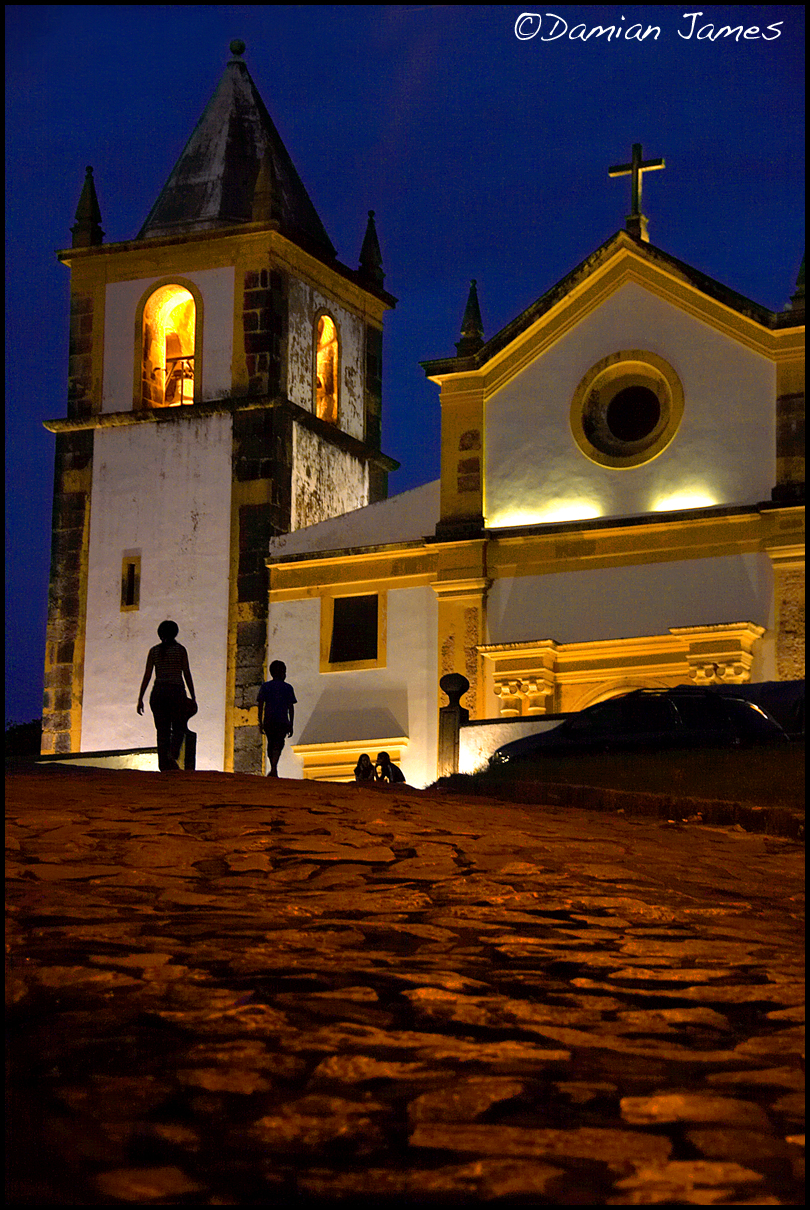
This World Heritage Site is the colonial gem of Brazil (I haven’t been to Ouro Preto yet, so I’m gonna roll with this one). Olinda is filled with some of the finest 16th century buildings, churches, gardens, parks, plazas and photogenic streets of anywhere in the country. It’s setting is ideal, perched up on a hill overlooking the Atlantic Ocean and the surrounding tropical landscape. Olinda makes for a very inviting travel destination for those who wish to enjoy a combination of natural beauty and history. Time truly slows down here. Don’t go walking too fast down those cobblestone streets, as you might trip on an oversized stone or run over an old man with a cane who is simply enjoying his afternoon stroll. Olinda is also known for hosting a very colorful and lively Carnival celebration…and it’s free for everyone, unlike those in Salvador and Rio. This area of the coast has been known for having shark activity, so you might want to stick to enriching your knowledge of colonial history here rather than testing your surfing skills.
FOZ DO IGUAÇU

Recently voted as one of the New 7 Wonders of Nature, Iguazu Falls should be at the very top of your “must see” places in Brazil. An awe-inspiring sight to say the least, it is the widest waterfall in the world with the highest volume of water flowing through it. With one side in Brazil and one side in Argentina, you can appreciate the falls from different views in two different countries. Though the Argentine side offers the most intimate and close-up view, the Brazilian side gives you the full wide-angle perspective and allows you to walk out into the center of the falls and be surrounded by 360 degrees of nature’s power at it’s finest. If you’re like me and your bladder sensitivity is cued by running water, you might want to go to the bathroom before visiting the falls.

NATAL

Sand, beach, sun, dunes, dune-buggies, camels, tropical scenery, wind-surfing, kite-surfing…yup, Natal is one big playground of outdoors fun! Lying 6 degrees south of the equator, the sun shines on Natal for over 3,000 hours per year. My math isn’t great…but that sounds like a heck of a lot of sunlight to compliment all those outdoors activities (spf-100 will do fine). The city itself is quite modern and interesting in its own right, but most people come here to hit the dunes and explore the coast. With that much sun, who wants to be indoors anyway?

PARATI
One of the best preserved colonial towns in the country, Parati (or Paraty) is a lovely and charming place located near the southern end of the state of Rio. This historic coastal village, which thrived as a major port during the gold rush, is like a living museum, home to some of the best Portuguese colonial buildings in all of Brazil. It’s original cobbled streets, colorful architecture and attractive baroque churches can be enjoyed with a leisurely stroll through the Historic Center District, where no automobiles (except for taxis) are permitted to enter. The nearby forests, waterfalls, islands and emerald-green sea make for a beautiful setting in a very relaxed natural environment. Parati is also one of the major producers of Cachaça, the popular Brazilian spirit (similar to rum). If you haven’t tried it in Brazil’s national drink, the Caipirinha, please heed my expert and experienced advice and drink it slooooow! The morning-after effects can be quite unforgiving.

ILHABELA
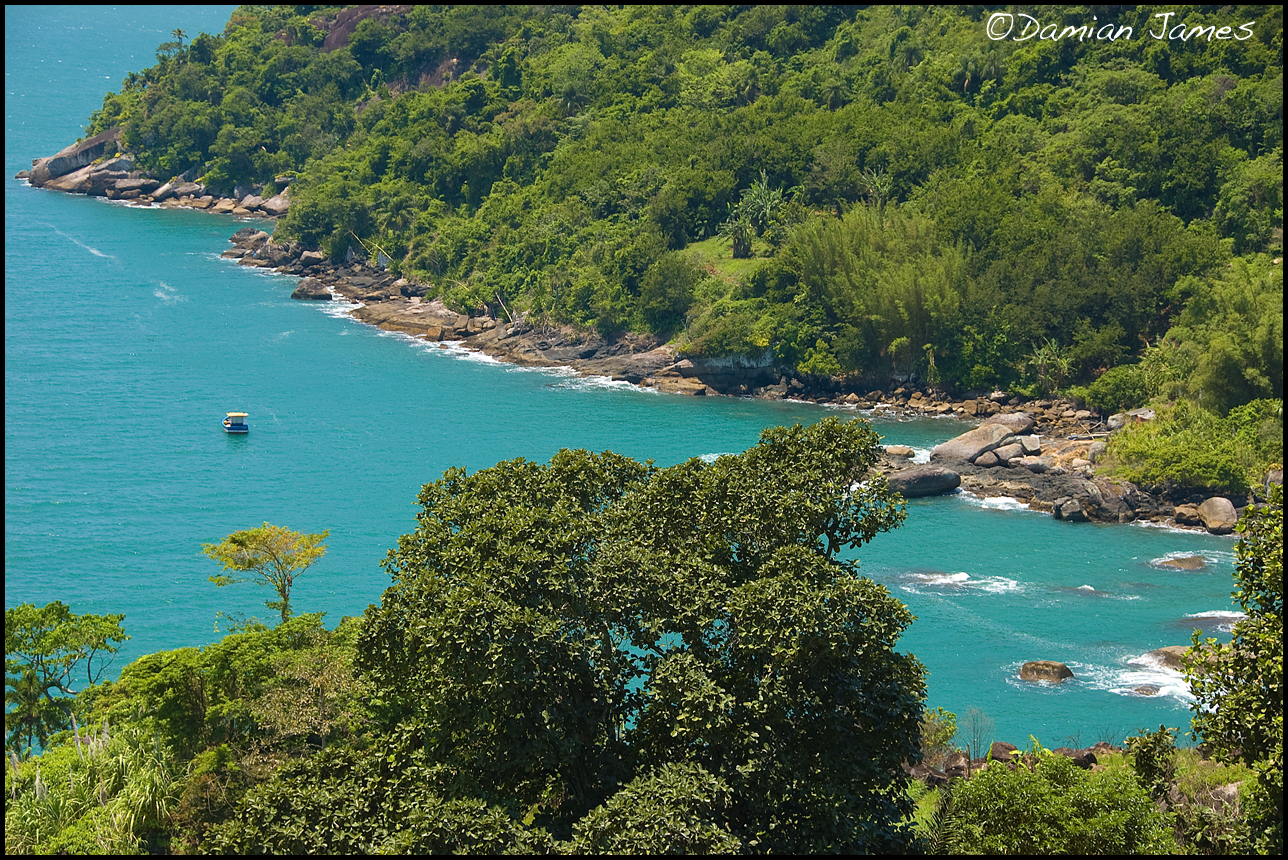
Ilhabela, situated 4 miles off the coast of the lovely state of São Paulo, is an archipelago made up of 6 islands. The largest and most visited island, São Sebastião, is typically referred to as Ilhabela. With only a few roads and over 40 beaches on the island, visitors will find it to be the perfect escape from the more heavily trafficked areas (I’m talking travelers, not drugs) between São Paulo and Rio. Translated in Portuguese as “beautiful island”, Ilhabela is a natural paradise of dense tropical jungle, volcanic peaks, uncrowded beaches and glimmering blue water. There are great hiking trails that lead to some of the remote areas of the island where road access is non-existent. Many of these trails will lead you to several of the 400+ waterfalls found on the island. If you’re driving on the island, don’t be afraid to continue on the main road once you reach its unpaved portion. It’s a bit bumpy without a 4WD, but I promise you that the best beaches and plenty of soft sand will be waiting for your tender buttocks at the end. 🙂
FLORIANOPOLIS
Florianopolis is one of those places you never want to leave. A diverse and developed island off the coast of Santa Catarina in the southern part of Brazil, “Floripa” (as the locals and “cool” tourists call it) has something for everyone. There are 42 scenic beaches that attract people from all over the world, some beaches with a “see and be seen” reputation, others more low-key and family oriented. Florianopolis is known for having a high quality of life. It is a University town, attracting many students from upper-middle class families from the mainland. The cosmopolitan downtown area of Florianopolis is quite modern, with large shopping malls, high-end restaurants and many glamorous bars and nightclubs. The seafood is awesome! I had some shrimp so succulent I almost bit my finger off.

As one of the surfing capitals of Brazil, Floripa invites sun-loving beach bods to gather on its white sand beaches throughout the summer, especially during the prime surfing season. Those who want to enjoy other outdoor activities can grab their sandboards and head over to Joaquina beach to hit the dunes or head to the inland lagoon to chill out on the water. The southern half of the island is more rustic and far less populated. Here you will find sleepy fisherman villages and a quiet countryside dotted with traditional Portuguese homes and red roof-tops in the style of the original Azorean settlers. Like I said…something for everyone, hard to pack up and leave. I had planned to go for two days, ended up staying for five. Would have stayed six months like the Australian tourists do if I could have, but that job thing always finds a way to ruin my extended travel plans. So keep your itinerary flexible. The tourist boom has already begun to shake in Foripa, but that’s no reason not to go and share in the good vibrations!

BAHIA
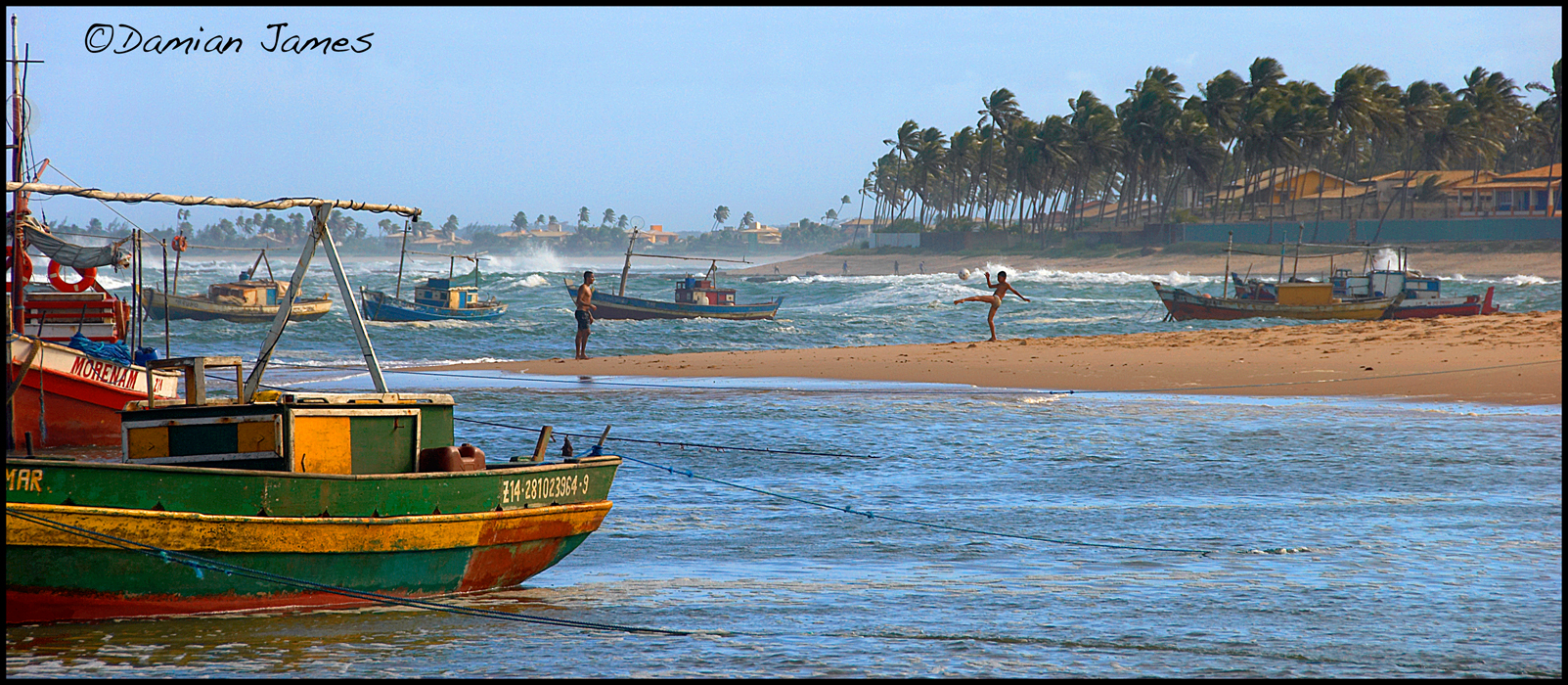
Ok, so I already listed my top 10. But I’d be doing an extreme injustice to the country if I didn’t promote one more region of Brazil, which is probably my favorite state as a whole: the state of Bahia. I mentioned Salvador, the capital, but there is SO much more to discover and enjoy in the state of Bahia that I just can’t resist to give it a “more than honorable mention” here. 🙂 Did I already note that the people in Bahia are among the friendliest you will ever meet? No? Well it’s true. Beaches…endless miles of them. 685 miles to be exact…the most of any state in Brazil. Islands – check. (Morro do São Paulo is a pretty sweet spot if you want a nice lil’ island hop from Salvador.) Bahia is home to a mélange of laid-back and inviting inland and seaside villages, amazing natural parks and miles upon miles of unspoiled coastline just salivating in its desire be explored! Need I say more?? Ok. Gorgeously pristine beaches, swaying palms, fresh coconuts, amazing seafood, smiling faces…no wonder all the people from Rio and São Paulo told me to go to Bahia! So now I’m telling you…you don’t know Brazil until you’ve been to Bahia. And now you know 😉


Categories: Travel
Tags: Bahia, beach, Brasil, Brasil travel, Brazil, Brazil travel, Brazilian, Carnaval, Carnival, coast, colonial, Copa Mundial, falls, Florianopolis, Foz do Iguaçu, Iguazu, Iguazu Falls, Ilhabela, islands, Jericoacoara, Latin America, Natal, nature, Olinda, paradise, Parati, Paraty, relaxation, Rio de Janeiro, Salvador, Sao Paulo, South America, sunset, Travel, vacation, viajes, waterfalls, World Cup, World Cup 2014, World Cup Brazil
6 Comments
High desert fashion…Bolivian style

People often ask me, “What’s your favorite country that you’ve visited?” I always find it to be an impossible question to answer. It’s like comparing your children, I imagine. They are all unique, and you love them all (some more stressful than others) but there’s always that one that you like to brag about. For me, Bolivia is that one I ALWAYS brag about. What do I love about it? Simple, it’s like no other place you will ever visit in your life. Sadly, Bolivia often escapes the travel radar of most people. Mountainous, rugged and landlocked between the Andes and the Amazon, it’s not the easiest place to navigate. It doesn’t have the stunning coastline and international flair of it’s neighbors Brazil, Argentina and Chile. It’s also the poorest country in South America. But what it does have, thanks to its isolation, is a world of exotic landscapes, deep-rooted indigenous traditions, and some of the most interesting and fashionable natives you’ll ever come in contact with. For the intrepid explorer looking for a one-of-a-kind travel experience, you best mark Bolivia on your bucket list!
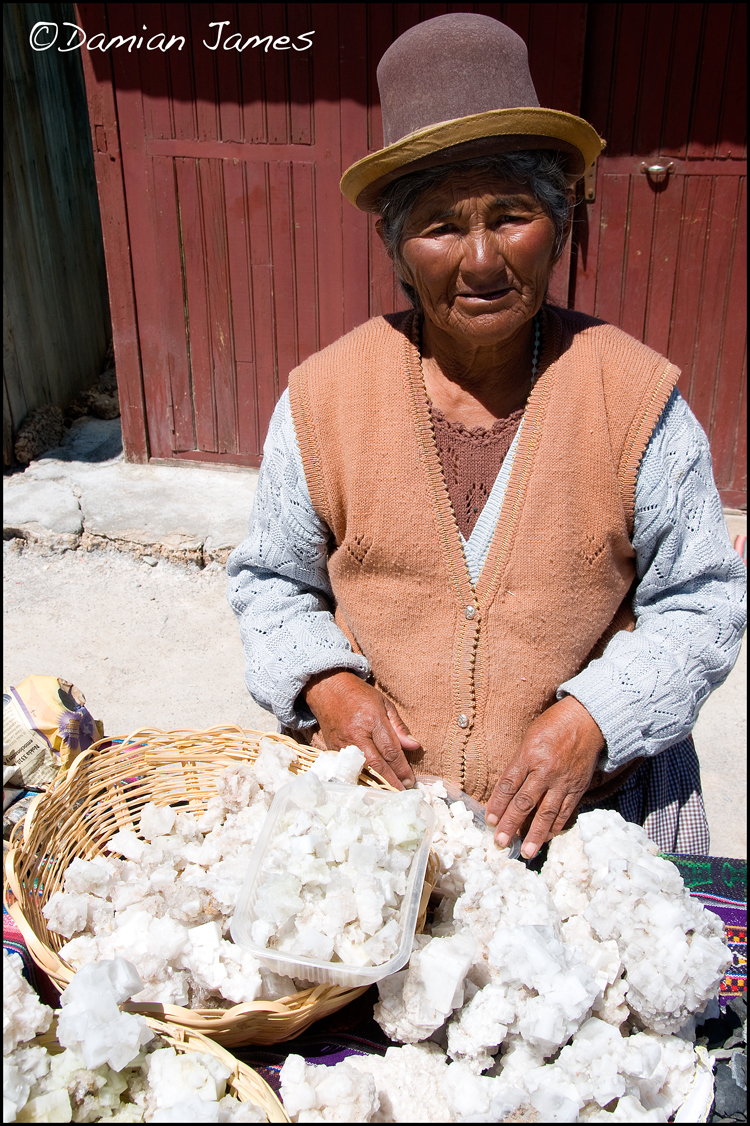
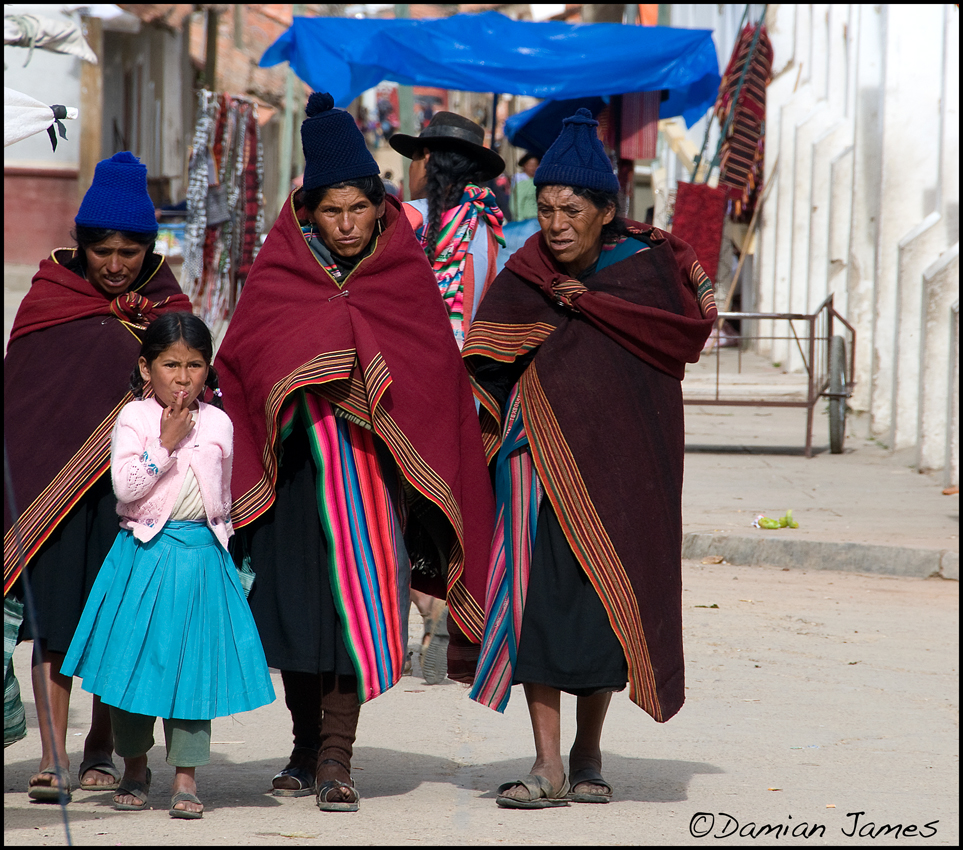
In the Bolivian Highlands, market Sunday in Tarabuco is especially colorful, as Bolivians love to put on their Sunday best and hit the town to buy, sell and barter goods with their fellow countrymen and tourists. This all-day swap meet begins bright and early (like 4am early) for many of the local Yampara people who walk 4 to 6 hours up and over the mountains from their ranches and homes to participate in the weekly market. Though my bartering with Red Vines didn’t work too well here, I did get a nice deal on a wooden flute and a bag of coca leaves. I really wanted to buy a charango (Andean stringed instrument) but I spent all my Bolivianos on tips for the locals who granted me some awesome photo opportunities. (Work that scarf baby!)
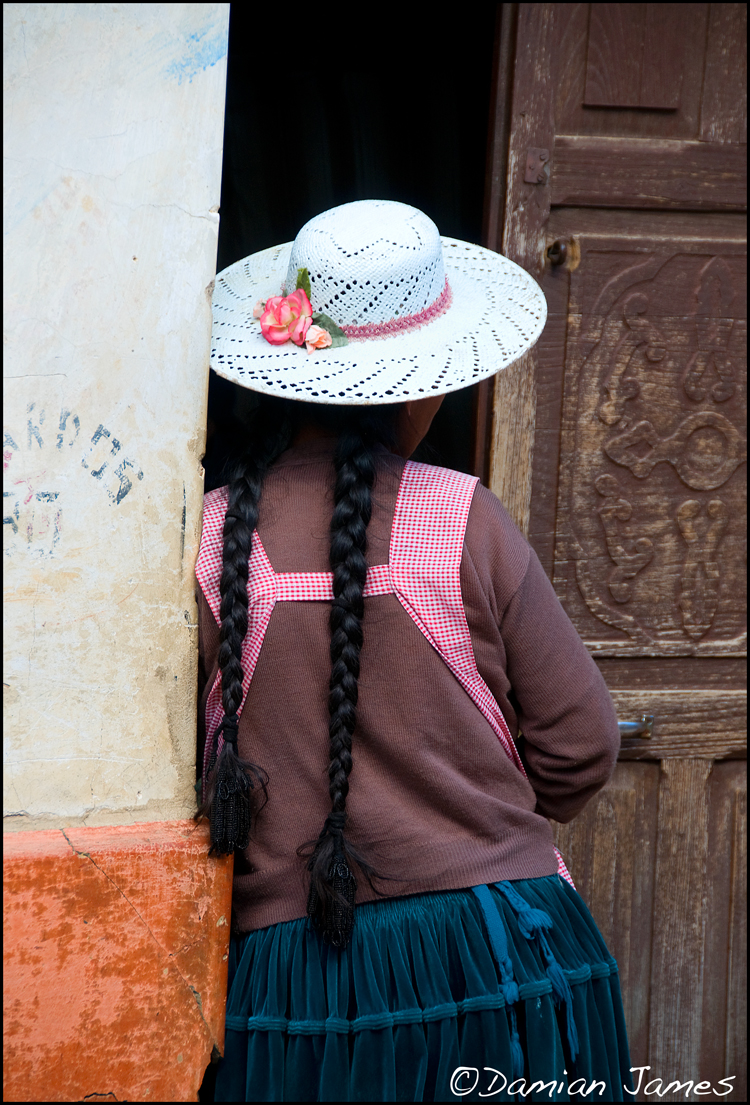
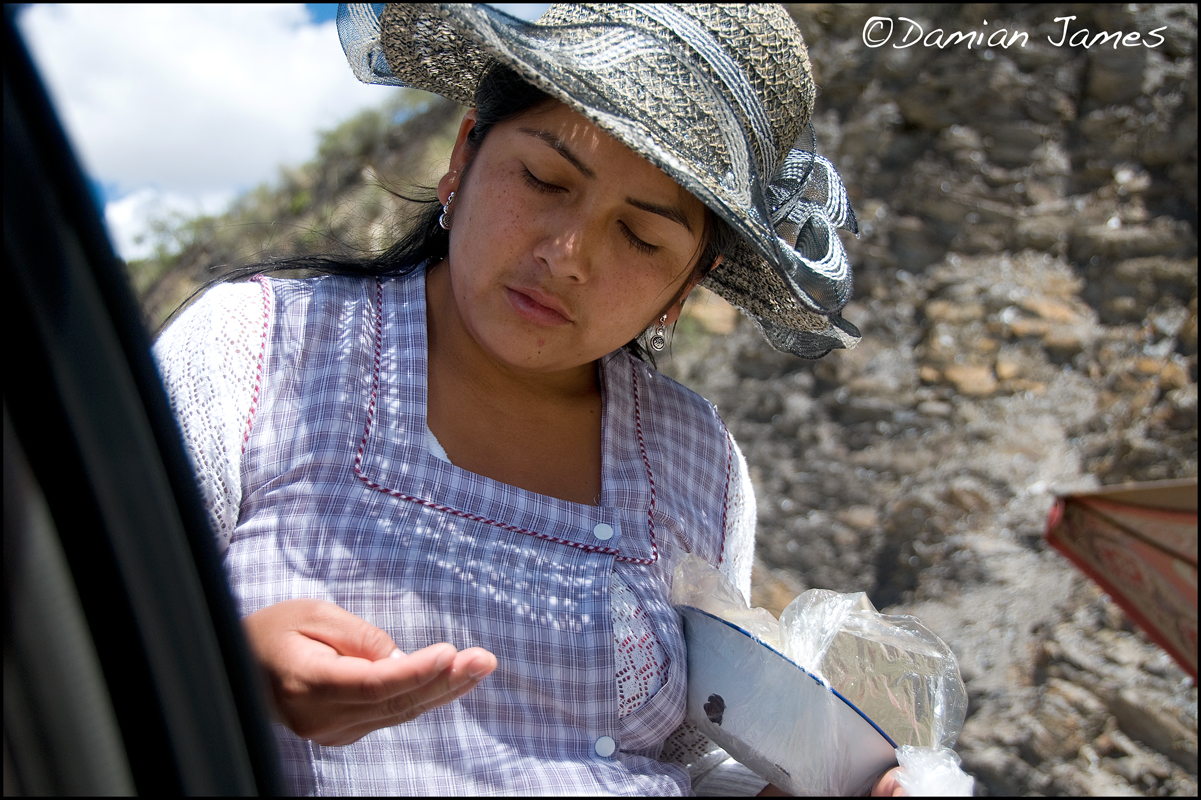
So let me just tell you about the Bolivians up here. As a photographer, my senses always ignite when I see raw life, tradition and color blending together in a visual concoction so fluid that my eyes struggle to keep pace. I’ve never seen a more fashion-conscious indigenous people…especially a tradition of dress that extends to the men as well. Women are pretty universal when it comes to wanting to look nice, but the dudes up here take “superstylin” to another level. Their traditional Yampara outfits not only preserve their identity, but they also advertise their location of origin to others. The men here sport colorful ponchos called “unkus”, many with horzontal stripes and regional colors. Scarves, patterned sweaters and woolen caps called “chullas” are also common threads among males. The women, known as “cholitas”, are typically seen in an outfit consisting of an apron over a layered skirt (“pollera”), a blouse, sweater and a rainbow-colored shawl used for everything from carrying babies to firewood. Their signature hats and braided hair seem to be a critical accessory to their look, along with those striped hand bags you see everywhere. It all works together quite nicely. In the words of my Aunt Cheryl, their style is “casual, yet smart…self-assured and oddly elegant”. Now let’s talk about those hats…
The one feature that is undeniably “Bolivian” is their hats. They love ’em! They rock those cool hats like breakdancers rocked Converse in the 80’s. They come in all styles, shapes, sizes and colors…straw hats, bowler hats, cowboy brimmed, alpaca wool beanies, crazy turtle shell looking things…quite an impressive variety. I offered to trade my baseball cap for one guy’s dusty Clint Eastwood looking Stetson, with no success. (Hard to find a Brewers fan in the Andes, let alone anywhere outside of Wisconsin). For women, the choice of hat frequently signals marital status. (Must be nice for the dudes!). Single women wear wool hats and married women wear leather. Among the most popular for women is the bowler hat (“bombin”), introduced by British railway workers in the 1920’s. There is a common saying about the bowler hat: “Born in Britian, perfected by Bolivia”. Some wear it straight up, some to the side. Hat styles change every year: color, height and width of the brim. I can just picture the cholita gossip around the local market…”OMG, look at her…that 2 inch brim is SO last year!”
The Bolivians don’t dress to impress one another, they dress in a way that represents where they come from and their pride of being indigenous. It is important for them to keep tradition alive. Tradition is at the heart of their culture…and they protect it well. Not to mention, they look pretty damn good doing it! And that’s just one of the many reasons I love Bolivia. It’s probably a good thing that it has been over-looked by mass tourism over the years. There is an old world charm and purity here that is untainted by the outside world. I highly recommend a visit. Just remember to ditch your coca leaves at the border!





Categories: Travel
Tags: Bolivia, Latin America, Market, Nikon, photography, South America, Tarabuco, Travel, vacation
6 Comments
Digital magnetism
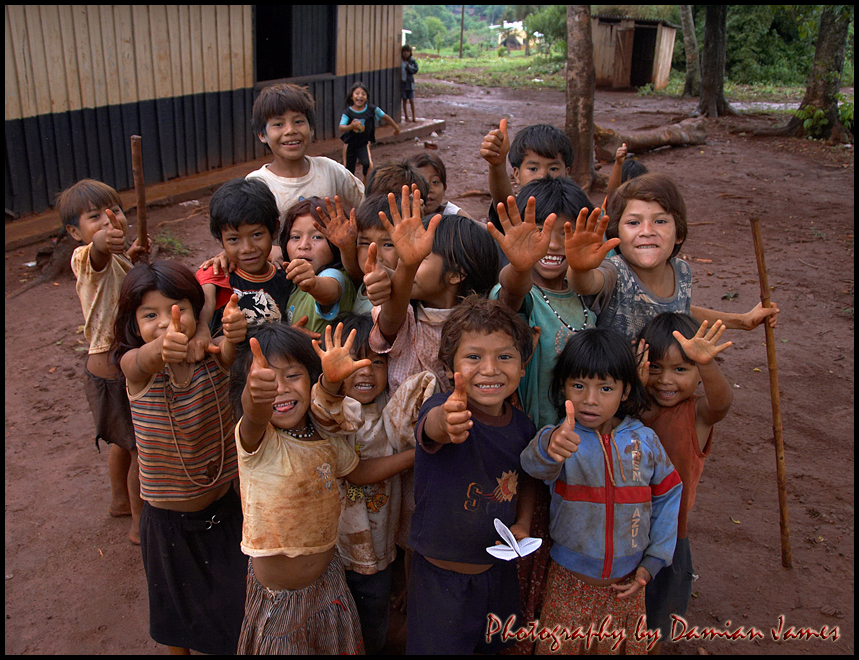
 No matter where you travel with your camera, one thing is certain…kids will be among your most enthusiastic of subjects to photograph! Especially if you have a digital camera and can show them the photo just seconds after it is snapped. In many underdeveloped countries, where technology and hi-tech gadgets are as foreign to them as eating mashed potatoes with your hands is to me, the kids always have a positive response to a stranger who breaks out a digital camera and ask them for a “foto?”. Their giddy reaction is contagious…as is the news of the visitor with the camera, which can spread throughout an entire village before you’ve even had a chance to review your first 1/2 dozen shots. Next thing you know you have a mob of eager little bodies parading in front of you, each working their way into view while yelling “me…me!”. It’s always great fun. Now if I could only get that red village mud off my favorite shoes…
Top image: Sambo Creek, Honduras
Bottom image: Guarani village in Argentina. *Don’t wear anything white on a rainy day*
Categories: Travel
Tags: Argentina, Honduras, kids, Latin America, Nikon, South America, Travel
2 Comments
 Gringo With A Green Bag