Brazil! My Top 10 favorite spots

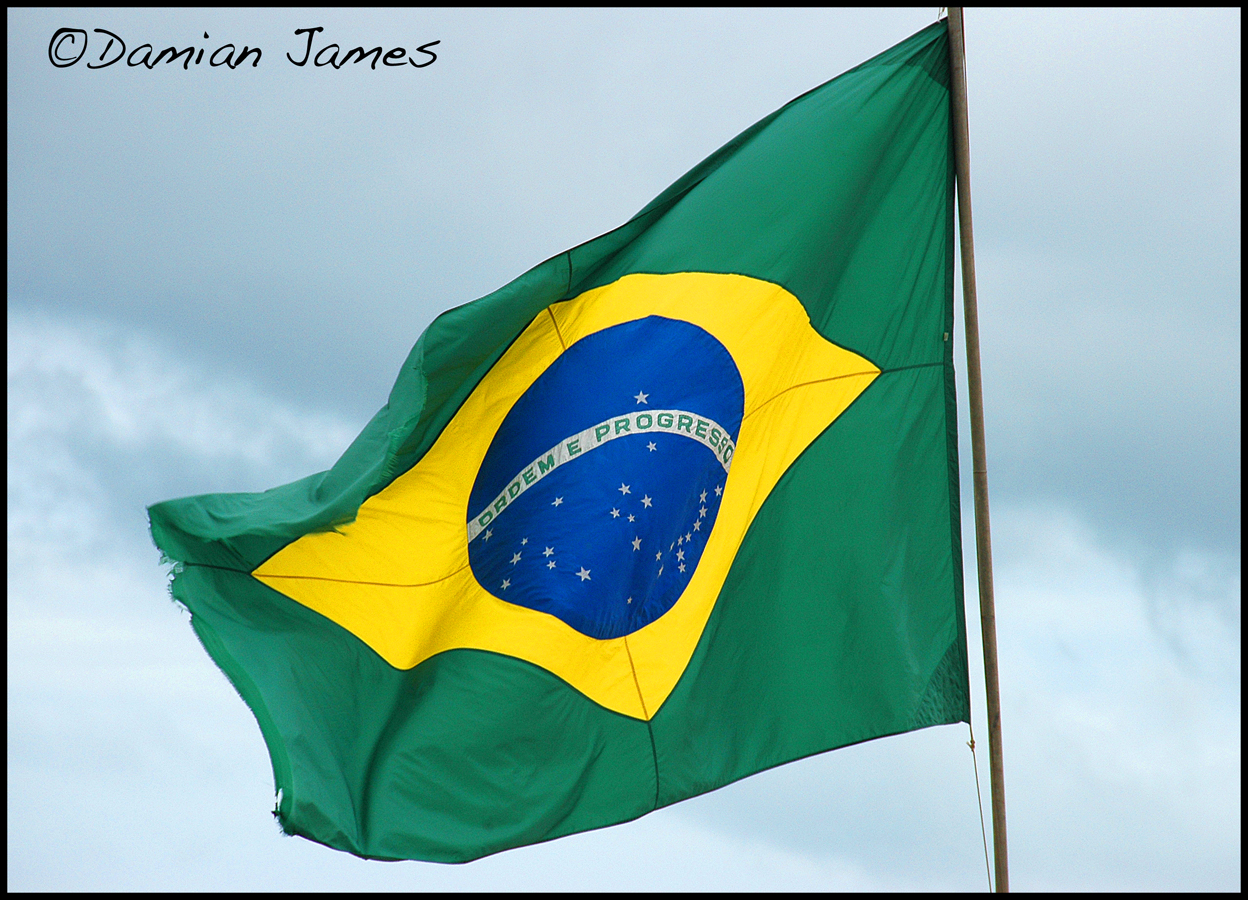
Brazil FlagMention Brazil to most people and their mind instantly conjures up images of bronzed beach bodies, soccer (futebol…oops), samba and Carnival. Yes, the aforementioned are definitively Brazilian…but there is so much more to this country than what the “mainstream/media” mentality suggests.  First, they speak Portuguese in Brazil, not Spanish, so I’m happy to clear up that little misconception right off the bat (though I’m still considered a “gringo” in both languages).  In addition to the stunning beaches and festive atmosphere that is widely promoted with the Brazilian label, there exists a bevy of cultural, historical and natural sights that every visitor would be keen to keep on their radar.  Here’s a list of my Top 10 favorite places in Brazil (in no particular order, cuz they’re all awesome).  I can only speak of the places I have been to, so please don’t get riled because I haven’t listed the Amazon on here (it’s on the bucketlist…I’m working on it).

JERICOACOARA
Jericoacoara-01

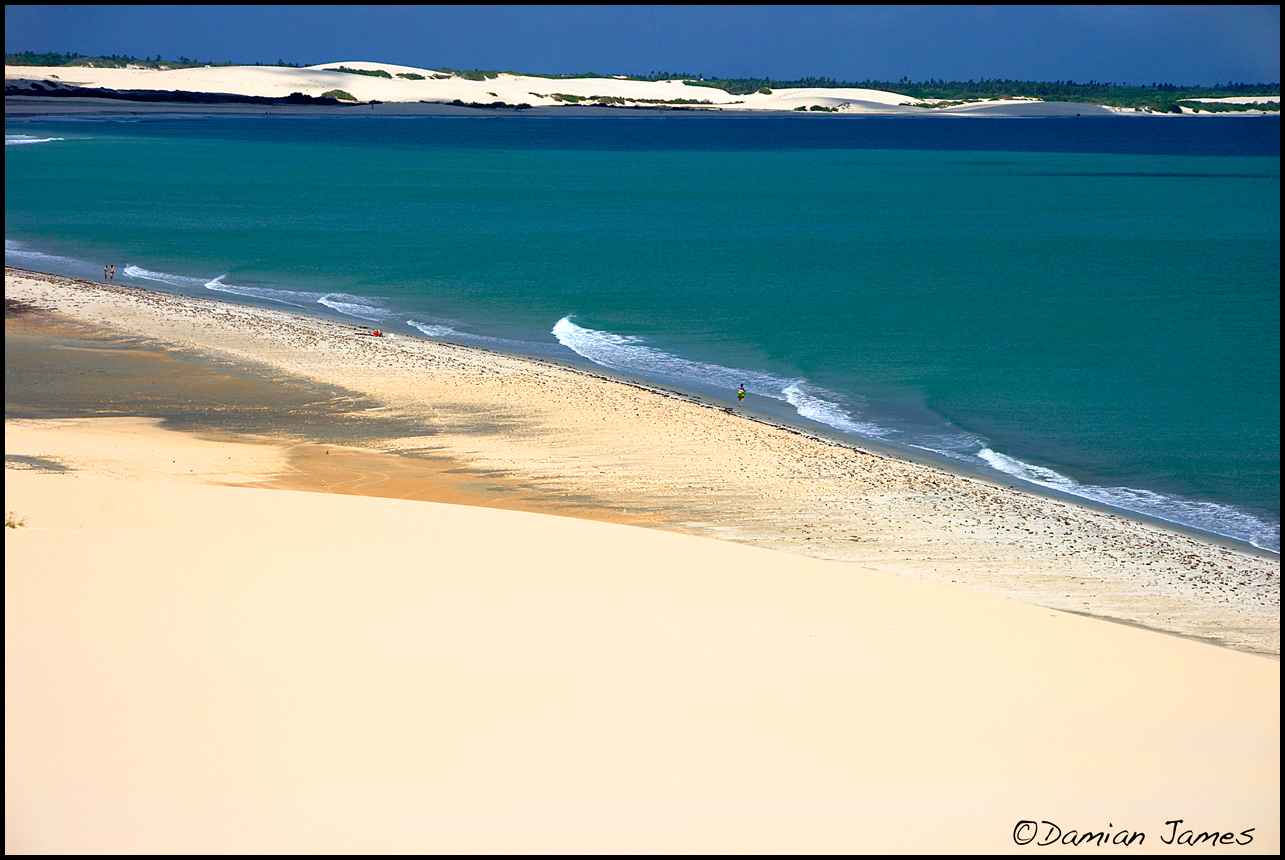
When people speak of “wanting to get away from everything”, Jericoacoara is the place they are imagining.  A remote village on Brazil’s northern coast, 150 miles from the closest big city and only accessible by bumpy dirt roads, Jericoacoara is a true “known little secret” on the Brazilian map of secluded and wildly beautiful places.  Sand dunes and sea dominate the landscape here, with the wind constantly shaping the dunes like a sculptor under the sun.  It’s topographical uniqueness, with massive sand dunes bordering the paradise-blue Atlantic Ocean for miles and miles, makes for a natural setting unlike any place you might imagine.  Though Jeri has been on the radar of the independent traveler for some time now, it has retained its unspoiled village character and “getaway” vibe…with no paved roads, stoplights or high rises…nothing more than about six sandy streets filled with just enough cozy hotels & bungalows, restaurants, bars and shops to accommodate its visitors.  Due to its unique geographic location, it is one of the few places in all of Brazil where you can see the sun set over the Atlantic, which has become a daily tradition, as everyone treks up to the top of Sunset Dune each evening to watch the last bit of sun fall behind the horizon.  I’m from California (home of the perfect sunsets 😉 ), so typically it wouldn’t be a big deal to me…but in a place like Jericoacoara, every minute is a moment to remember.  I knew I was in a different kind of place when a stray cow strolled right past my table while I was eating outside at a local pizzeria one night.  Poor guy was probably on the menu the next day.

Jericoacoara-02

COSTA VERDE

Between the states of São Paulo and Rio de Janeiro lies perhaps the most beautiful stretch of coast in all of Brazil.  Called the “Green Coast” for a reason, this lush and dramatically stunning slice of mountainous coastline travels through what remains of the original Atlantic Rainforest, passing along some of the best beaches in the country.  The coastal road winds its way around verdant mountains, forest, quaint beach towns and dramatic views of the Atlantic for nearly the entire stretch…providing access to a host of tucked away beaches where one can stop and set up shop in the idyllic setting of their choice.  Yup, this drive pretty much ruined it for all the beaches back home.  Sorry Newport and Huntington, please don’t take it personal.
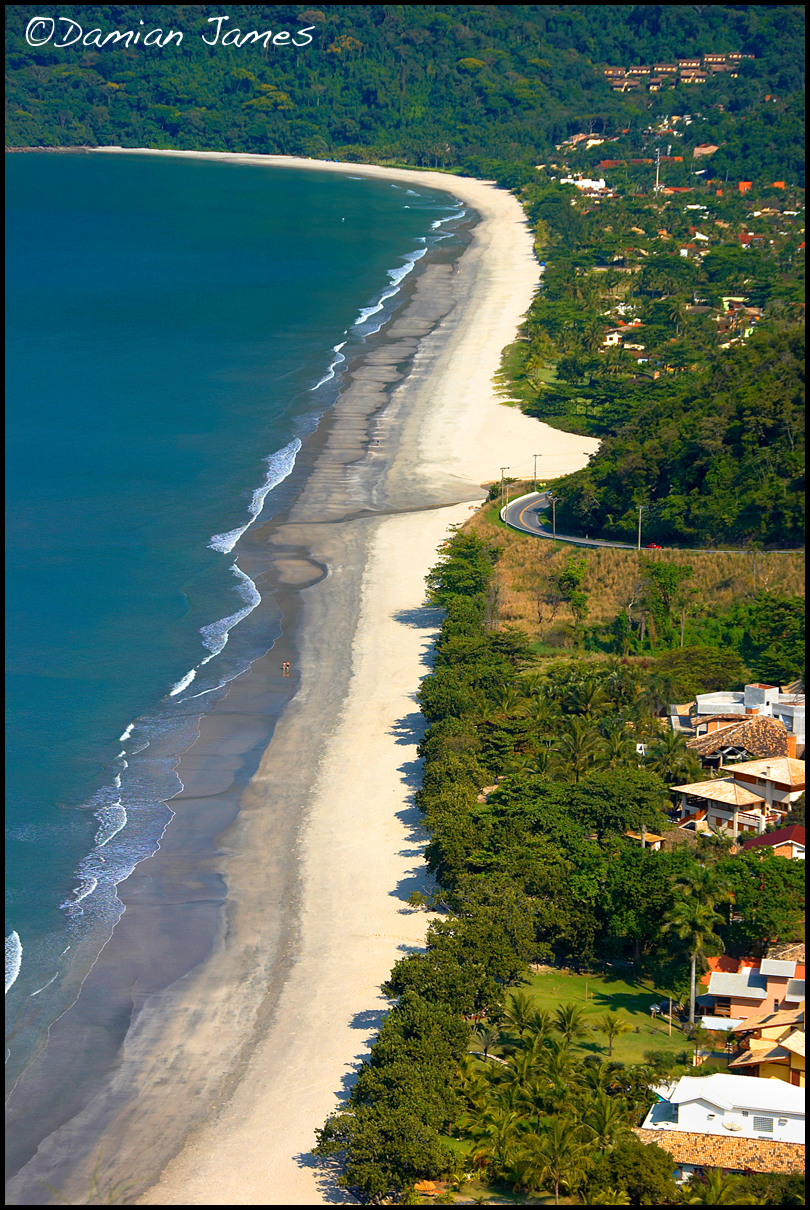
Costa Verde

RIO DE JANEIRO

Rio de Janeiro

Home of the Carioca, samba, The Girl From Ipanema, Copacabana…Rio’s reputation surely proceeds itself.  Brazil’s most popular city also has one of its most dramatic natural settings, and plenty of sights and sounds to keep you entertained for the duration of your time there.  With world-renowned beaches like Ipanema and Copacabana, one doesn’t have to stray too far from the coast to enjoy the best of what Rio offers up to its visitors.  There is a constant energy felt here…whether it’s the carefree and friendly beach vibe of the local Cariocas or the spirit of Carnival warming up for its grand appearance each February.  Rio will keep you moving to its native beat, and invite you to sample more the longer you stay there.  After touring the “must-see” sights like Christ The Redeemer and Sugar Loaf, I recommend ignoring your hotel receptionist’s inauspicious advice and take a tour into one of Rio’s many favelas (shanty towns) for an opportunity to experience the “other side” of the city.  The day-to-day life in the favela provides a fascinating and raw contrast to the upscale, heavily-promoted tourist side of the city.  In spite of the difficult living conditions you will find here, the people who live in the favela are extremely genuine and welcoming…retaining the same smile and hospitality that you will find throughout the entire country.

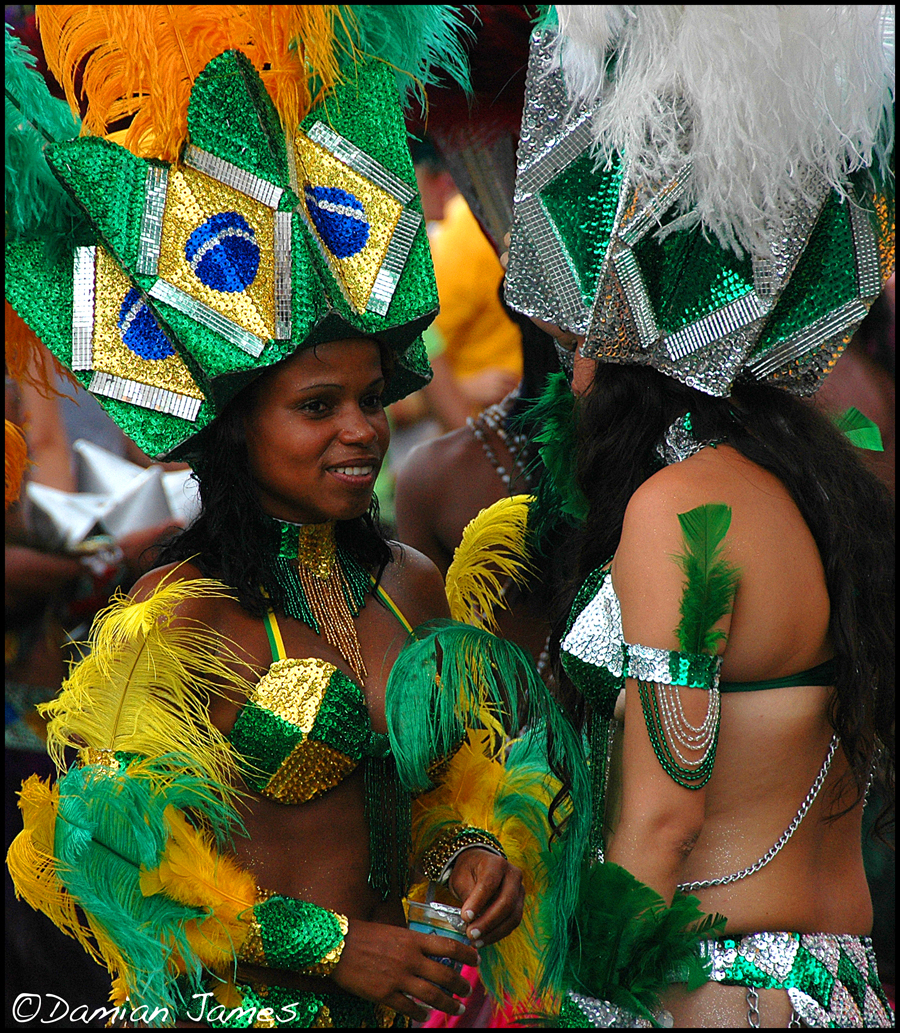
Rio de Janeiro-03

Rio de Janeiro - 02

SALVADOR

Salvador-01

When I think of what makes Brazil unique to the rest of the world, one can’t deny that the African influence has shaped this culture more than anything else.  Salvador is the place where it all began.  As a former capital and center during the colonial slave trade era, Salvador has remained the heart and soul of Afro-Brazilian culture.  The influence is profound in its music, dance, food, religious practices and physical make-up of its people.  The roots of Capoeira (a Brazilian martial art form of dance which evolved from the slaves) were planted here, and many of Brazil’s most prominent artists and celebrities call Salvador their home.  (This is Adriana Lima’s turf!)  The city is vibrant and colorful, with beautiful colonial architecture found throughout its historic city center (Pelourinho) and plenty of beaches to escape to once the sight-seeing is done.  Known as Brazil’s capital of happiness, the people of Salvador (and it’s state of Bahia) have a reputation of being relaxed, easygoing, and fun-loving…even by Brazillian standards.  (When I say relaxed, I mean like 15 minutes to get a glass of water at a restaurant kind of “relaxed”. But you’ll get used to it. They always service with a smile.) 🙂  There is an infectious rhythm to the city, and you won’t go far without hearing it, feeling it or finding some sort of party that seems to be never-ending throughout the streets of Salvador.  Speaking of parties, its Carnival is considered by most Brazilians to be the best and most authentic in the country…even better than that one down in Rio.  One friendly eating tip:  Just beware of that coconut oil that is traditionally used in many of the regional dishes here.  As Tom Hanks discovered in the movie Cast Away, coconut can act as a natural laxative. 😛

Salvador-03

Salvador-02

OLINDA

Olinda-02

This World Heritage Site is the colonial gem of Brazil (I haven’t been to Ouro Preto yet, so I’m gonna roll with this one).  Olinda is filled with some of the finest 16th century buildings, churches, gardens, parks, plazas and photogenic streets of anywhere in the country.  It’s setting is ideal, perched up on a hill overlooking the Atlantic Ocean and the surrounding tropical landscape.  Olinda makes for a very inviting travel destination for those who wish to enjoy a combination of natural beauty and history.  Time truly slows down here.  Don’t go walking too fast down those cobblestone streets, as you might trip on an oversized stone or run over an old man with a cane who is simply enjoying his afternoon stroll.  Olinda is also known for hosting a very colorful and lively Carnival celebration…and it’s free for everyone, unlike those in Salvador and Rio.  This area of the coast has been known for having shark activity, so you might want to stick to enriching your knowledge of colonial history here rather than testing your surfing skills.
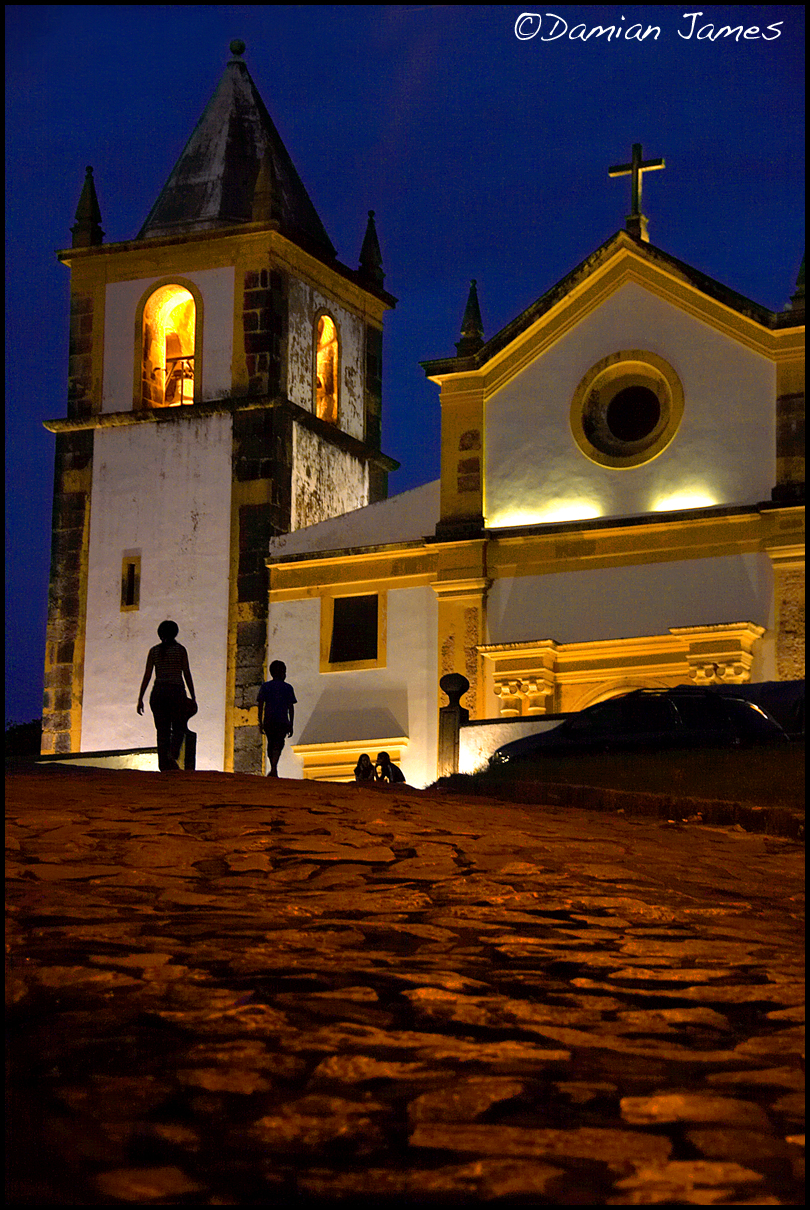
Olinda-01

FOZ DO IGUAÇU

Iguazu-01

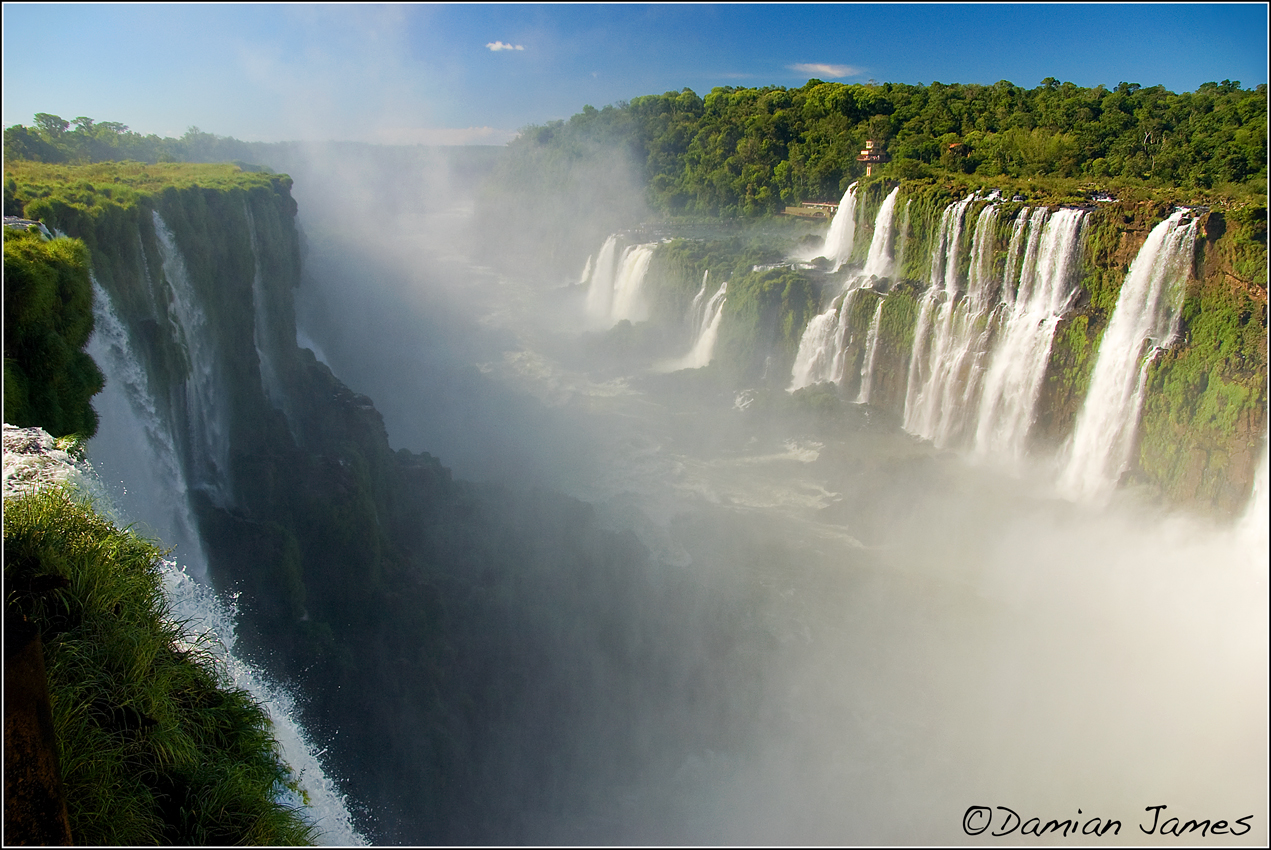
Recently voted as one of the New 7 Wonders of Nature, Iguazu Falls should be at the very top of your “must see” places in Brazil.  An awe-inspiring sight to say the least, it is the widest waterfall in the world with the highest volume of water flowing through it.  With one side in Brazil and one side in Argentina, you can appreciate the falls from different views in two different countries.  Though the Argentine side offers the most intimate and close-up view, the Brazilian side gives you the full wide-angle perspective and allows you to walk out into the center of the falls and be surrounded by 360 degrees of nature’s power at it’s finest.  If you’re like me and your bladder sensitivity is cued by running water, you might want to go to the bathroom before visiting the falls.

Iguazu-02

NATAL

Natal-01

Sand, beach, sun, dunes, dune-buggies, camels, tropical scenery, wind-surfing, kite-surfing…yup, Natal is one big playground of outdoors fun!  Lying 6 degrees south of the equator, the sun shines on Natal for over 3,000 hours per year.  My math isn’t great…but that sounds like a heck of a lot of sunlight to compliment all those outdoors activities (spf-100 will do fine).  The city itself is quite modern and interesting in its own right, but most people come here to hit the dunes and explore the coast. With that much sun, who wants to be indoors anyway?

Natal-02

PARATI

One of the best preserved colonial towns in the country, Parati (or Paraty) is a lovely and charming place located near the southern end of the state of Rio.  This historic coastal village, which thrived as a major port during the gold rush, is like a living museum, home to some of the best Portuguese colonial buildings in all of Brazil.  It’s original cobbled streets, colorful architecture and attractive baroque churches can be enjoyed with a leisurely stroll through the Historic Center District, where no automobiles (except for taxis) are permitted to enter.  The nearby forests, waterfalls, islands and emerald-green sea make for a beautiful setting in a very relaxed natural environment.  Parati is also one of the major producers of Cachaça, the popular Brazilian spirit (similar to rum).  If you haven’t tried it in Brazil’s national drink, the Caipirinha, please heed my expert and experienced advice and drink it slooooow!  The morning-after effects can be quite unforgiving.

Parati-01

ILHABELA

Ilhabela, situated 4 miles off the coast of the lovely state of São Paulo, is an archipelago made up of 6 islands.  The largest and most visited island, São Sebastião, is typically referred to as Ilhabela.  With only a few roads and over 40 beaches on the island, visitors will find it to be the perfect escape from the more heavily trafficked areas (I’m talking travelers, not drugs) between São Paulo and Rio.  Translated in Portuguese as “beautiful island”, Ilhabela is a natural paradise of dense tropical jungle, volcanic peaks, uncrowded beaches and glimmering blue water.  There are great hiking trails that lead to some of the remote areas of the island where road access is non-existent.  Many of these trails will lead you to several of the 400+ waterfalls found on the island.  If you’re driving on the island, don’t be afraid to continue on the main road once you reach its unpaved portion.  It’s a bit bumpy without a 4WD, but I promise you that the best beaches and plenty of soft sand will be waiting for your tender buttocks at the end. 🙂
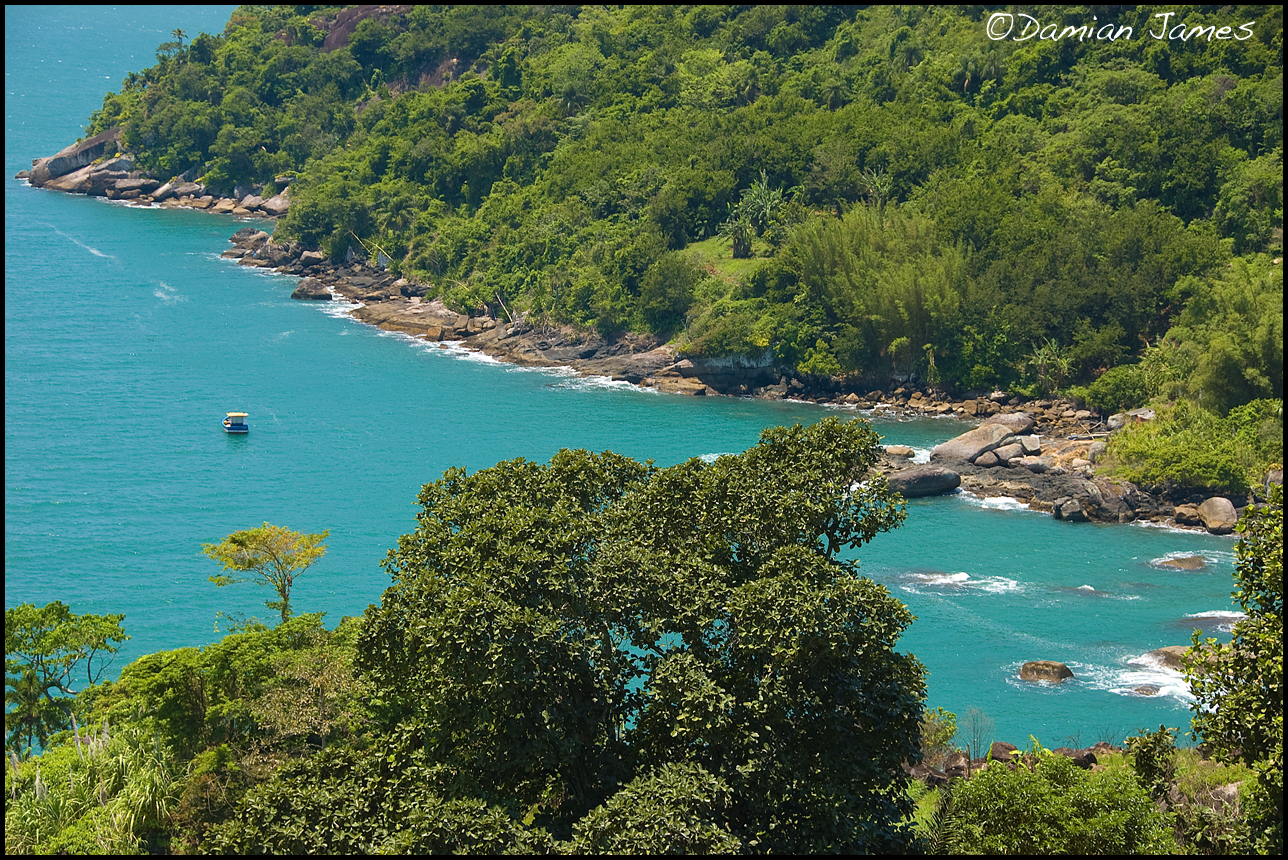
Ilhabela

FLORIANOPOLIS

Florianopolis is one of those places you never want to leave.  A diverse and developed island off the coast of Santa Catarina in the southern part of Brazil, “Floripa” (as the locals and “cool” tourists call it) has something for everyone.  There are 42 scenic beaches that attract people from all over the world, some beaches with a “see and be seen” reputation, others more low-key and family oriented.  Florianopolis is known for having a high quality of life.  It is a University town, attracting many students from upper-middle class families from the mainland.  The cosmopolitan downtown area of Florianopolis is quite modern, with large shopping malls, high-end restaurants and many glamorous bars and nightclubs.  The seafood is awesome!  I had some shrimp so succulent I almost bit my finger off.

Floripa-02

As one of the surfing capitals of Brazil, Floripa invites sun-loving beach bods to gather on its white sand beaches throughout the summer, especially during the prime surfing season.  Those who want to enjoy other outdoor activities can grab their sandboards and head over to Joaquina beach to hit the dunes or head to the inland lagoon to chill out on the water.  The southern half of the island is more rustic and far less populated.  Here you will find sleepy fisherman villages and a quiet countryside dotted with traditional Portuguese homes and red roof-tops in the style of the original Azorean settlers.  Like I said…something for everyone, hard to pack up and leave.  I had planned to go for two days, ended up staying for five.  Would have stayed six months like the Australian tourists do if I could have, but that job thing always finds a way to ruin my extended travel plans.  So keep your itinerary flexible.  The tourist boom has already begun to shake in Foripa, but that’s no reason not to go and share in the good vibrations!

Floripa-01

BAHIA

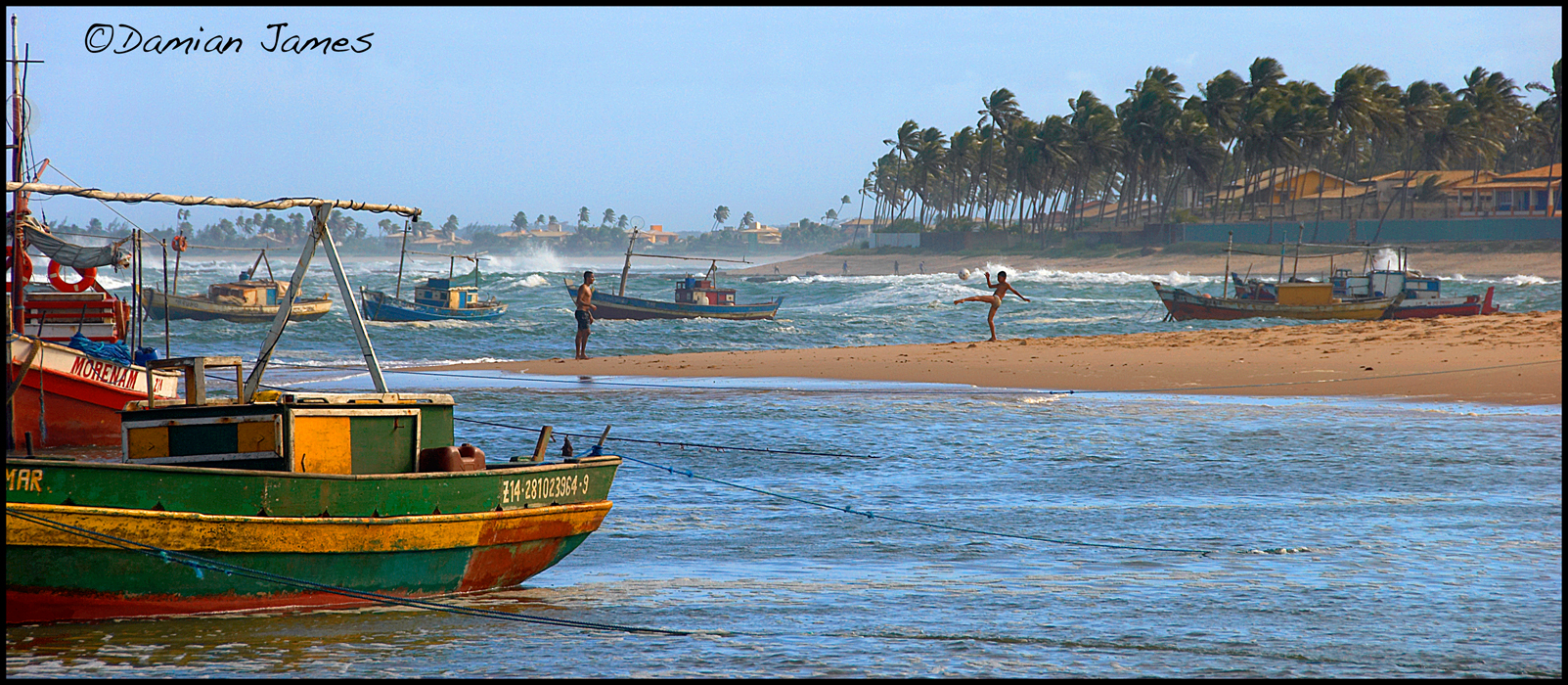
Ok, so I already listed my top 10.  But I’d be doing an extreme injustice to the country if I didn’t promote one more region of Brazil, which is probably my favorite state as a whole:  the state of Bahia.  I mentioned Salvador, the capital, but there is SO much more to discover and enjoy in the state of Bahia that I just can’t resist to give it a “more than honorable mention” here. 🙂  Did I already note that the people in Bahia are among the friendliest you will ever meet?  No?  Well it’s true.  Beaches…endless miles of them.  685 miles to be exact…the most of any state in Brazil.  Islands – check. (Morro do São Paulo is a pretty sweet spot if you want a nice lil’ island hop from Salvador.)  Bahia is home to a mélange of laid-back and inviting inland and seaside villages, amazing natural parks and miles upon miles of unspoiled coastline just salivating in its desire be explored!  Need I say more??  Ok.  Gorgeously pristine beaches, swaying palms, fresh coconuts, amazing seafood, smiling faces…no wonder all the people from Rio and São Paulo told me to go to Bahia!   So now I’m telling you…you don’t know Brazil until you’ve been to Bahia.  And now you know 😉
Bahia

Bahia-02

Bahia-04

Categories: Travel | Tags: , , , , , , , , , , , , , , , , , , , , , , , , , , , , , , , , , , , , , , , | 6 Comments

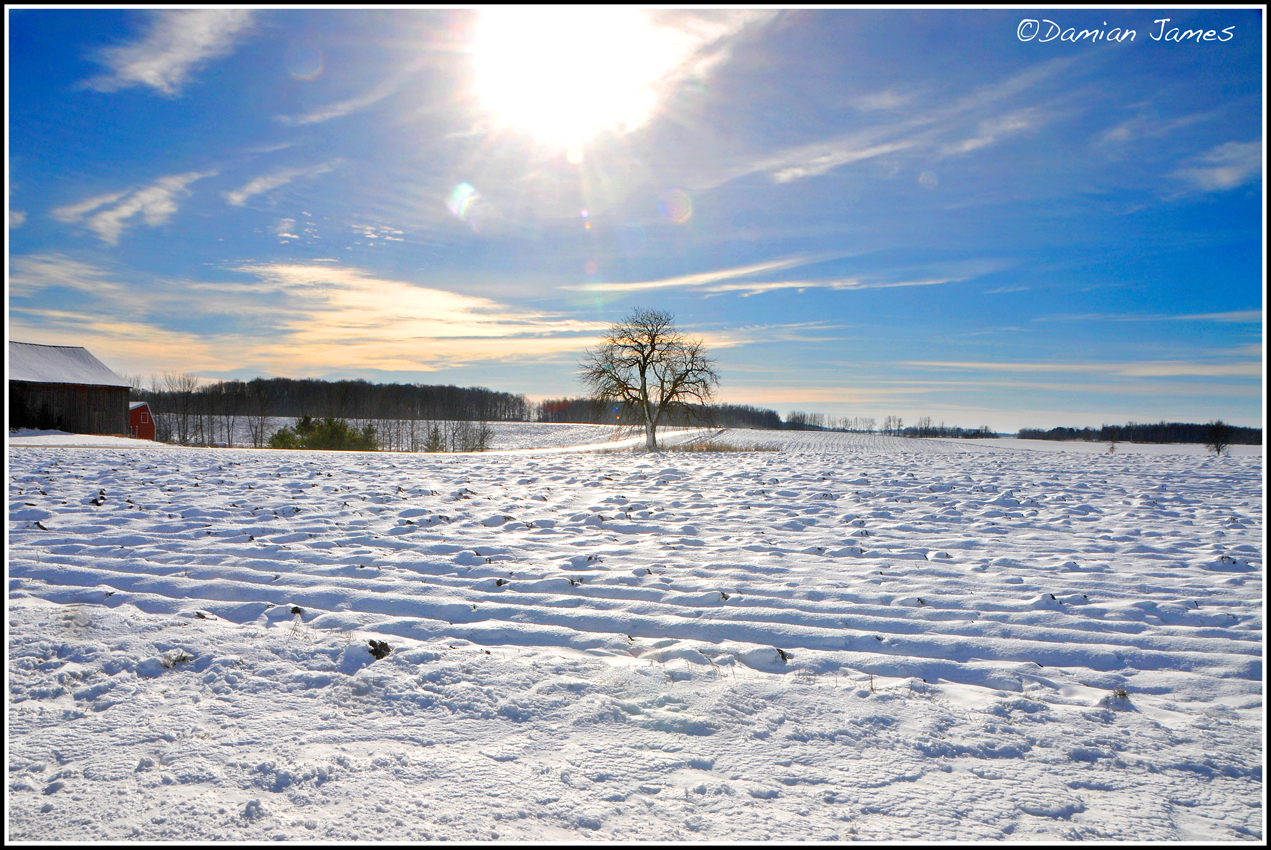
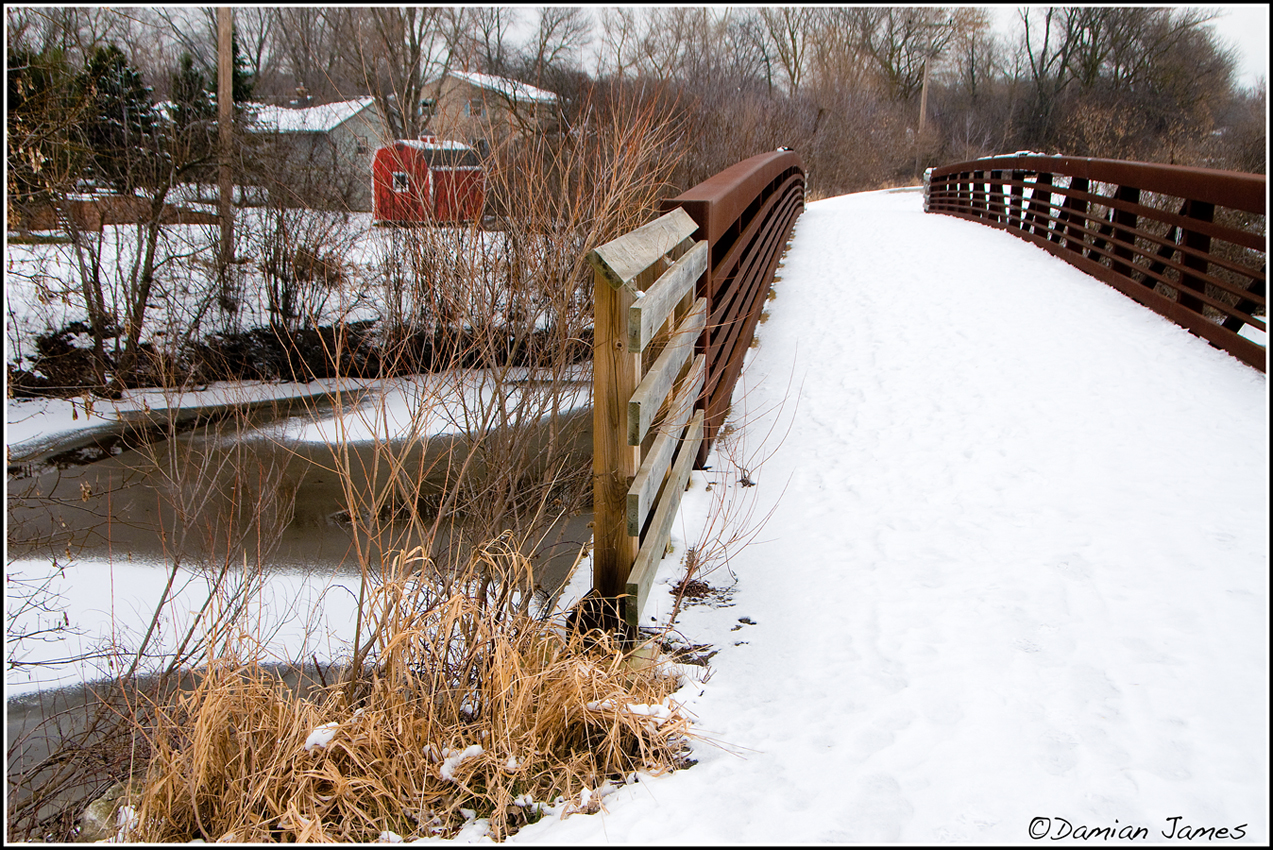
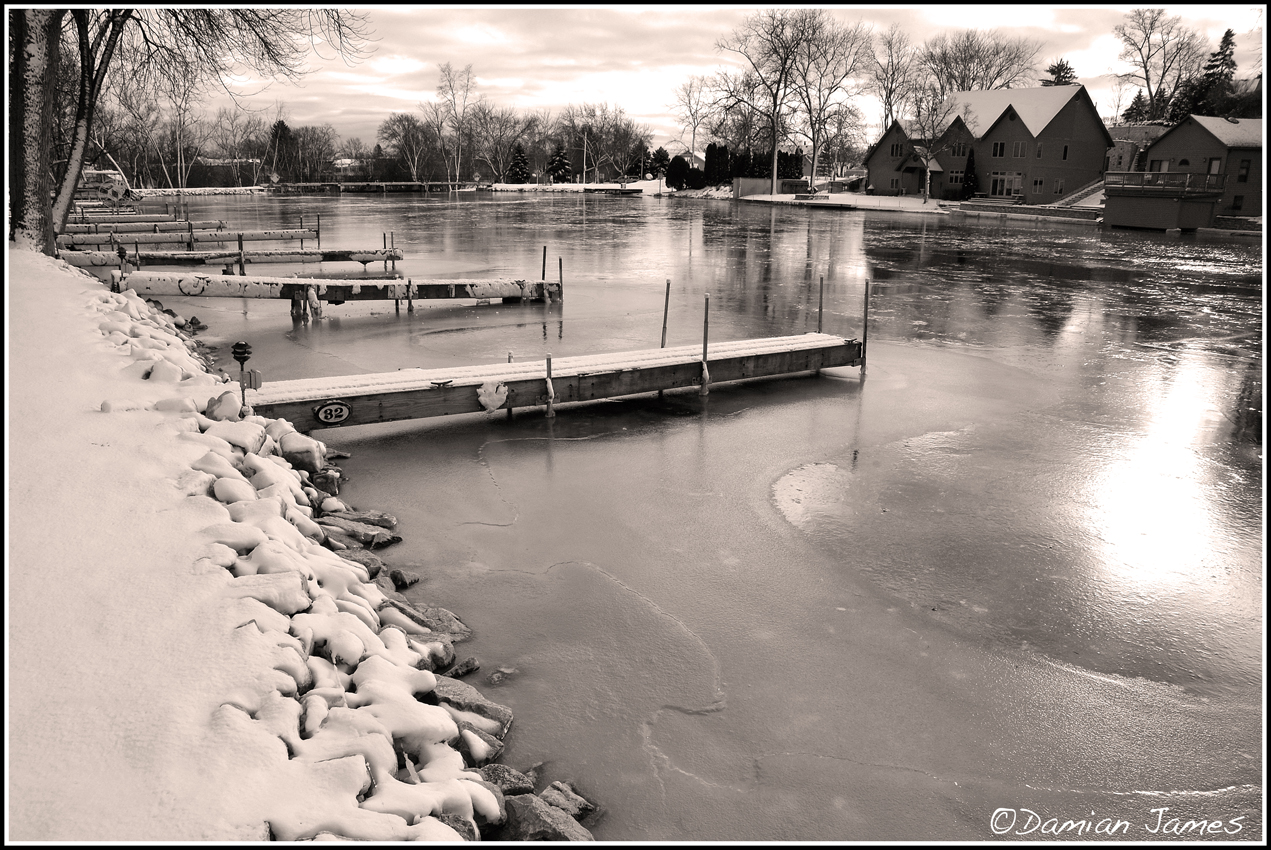
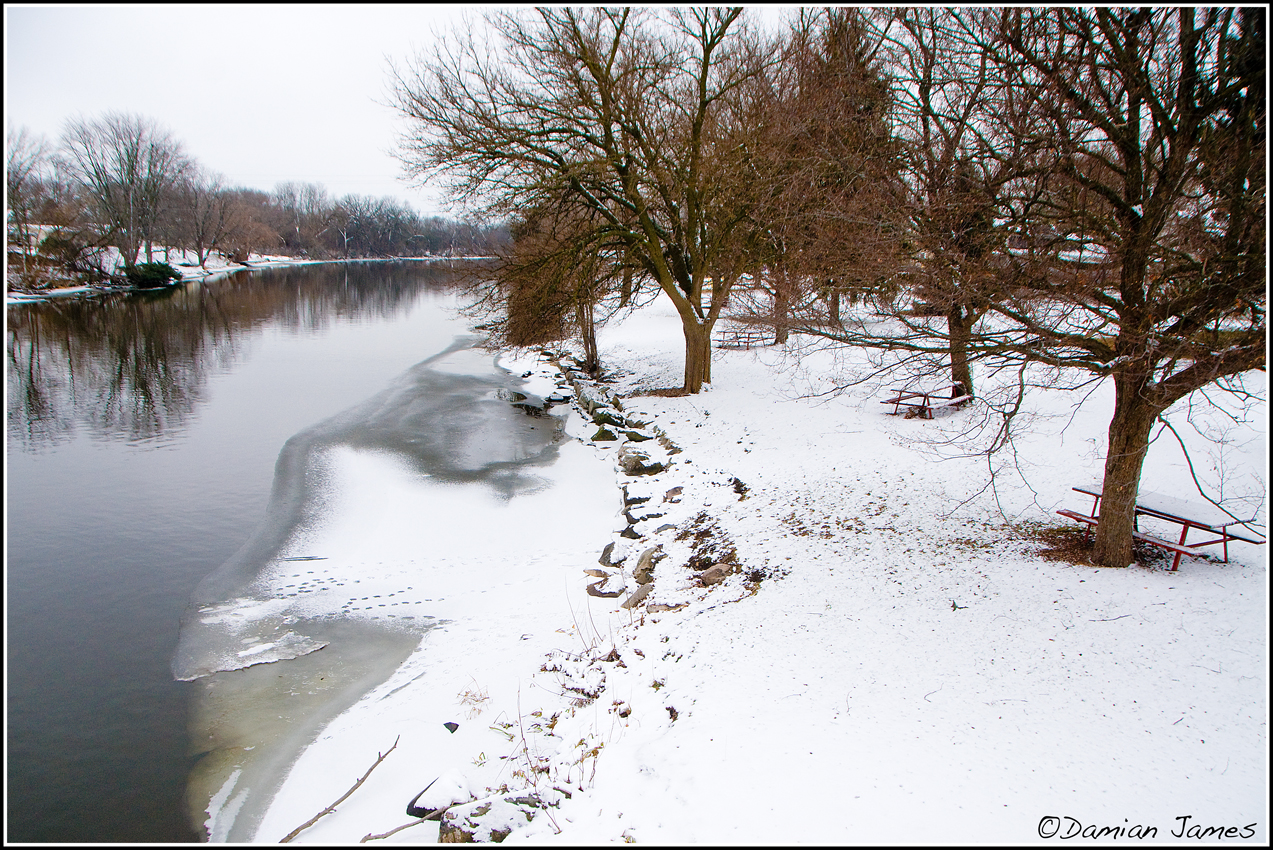
Winter Wonderland

“A beautiful sight, we’re happy tonight…Walking in a Winter Wonderland”.  It is my favorite Christmas song (the Tony Bennett version).

_DSC9782-web

So, Happy 2013 my friends, family, fellow bloggers and curious travelers!  Hot diggety Mayan damn…we made it!  This is my first blog of the year (only 15 days in, kicking that “no procrastination” resolution’s ass!)…and this one is a tribute to my homeland:  Wisconsin, U.S.A.

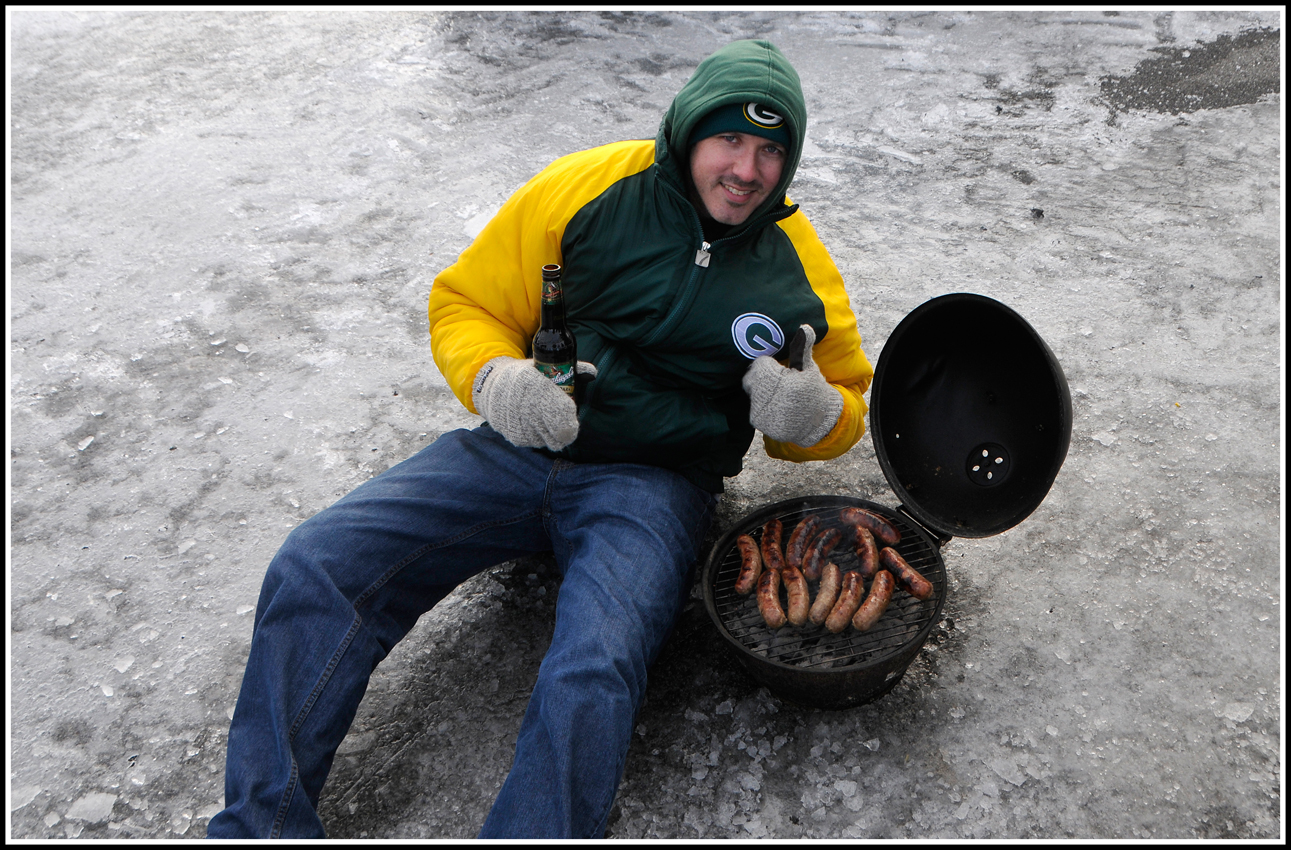
I’ve lived in California for most of my life, but my roots, native pride and sports enthusiasm will always reside with Wisconsin…the state that welcomed me into this world, made me a certified cheesehead (google it if you’re not familiar with the term) and gave me enough awesome childhood memories to last a lifetime.  I got to spend the recent holiday with my family up there, and finally got to make a huge, long-awaited checkmark on my over-flowing bucketlist…going to a Packers game at Lambeau Field in Green Bay!  Gringo With A Green Bag In Green Bay…now doesn’t that just sing awesomeness! It was a lifelong dream…and it was realized. I hope 2013 brings lots of dreams to life for all of us 🙂

Christmas-01-web-AEDITED-web
Don’t let that sun fool ya. It was painfully cold out there.

_DSC9687-web_DSC8947-web_DSC9798-web
Couldn’t feel my hands or face at this point. Snot frozen to my lip. Feet like icebergs.

Waterford-A-web-A_DSC9864-webLambeau-01-web-A

Brats and brew on ice in Green Bay before the Packers game…it doesn’t get much better folks! (photo by Todd Thoune)

Categories: Travel | Tags: , , , , , , | Leave a comment

Full Circle

It all began in 1996. 19 years young. As a Navy serviceman, I was offered the very fortunate and life-changing opportunity to get stationed overseas…destination Spain. I had never traveled outside of U.S. borders. The next 3 years of my life would define my purpose, my passion and my tolerance for second-hand smoke, crazy mopeds, loud locals, rum & coke, pumping music all night at the discos, being lost in translation and transport…etc., etc.  It was here where my curiosity came to life, my passion for travel and culture was rooted and my very first travel photos were snapped.  It was also the first place I had seen a topless beach…(still looking for those photos).

When I left Spain, I was 22. I remember that feeling that I had when I first departed, like I had just been given the keys to the world.  It was only a matter of time before I would be wishing to unlock the next door.  So after 13 years of living a life that was propelled by my experiences in Spain, I finally got the opportunity to return to the land that had made me the person I am today.  My friends kept telling me that Spain had changed a lot from our Navy days back in the late 90’s…but to me it was all too familiar upon arrival.  A little confusion with the Madrid airport terminal/arrival set-up and lack of helpful communication from the rental car agents had delayed my meet-up time with my sister and brother-in-law by 2 hours.  Not the best start to our trip. But, I had to heed my own advice, which I had wisely given to my travel companions:  “When you get there, you have to leave convenience behind and just go with the flow”.  What I was really thinking was:  “Where’s the nearest bar?!”

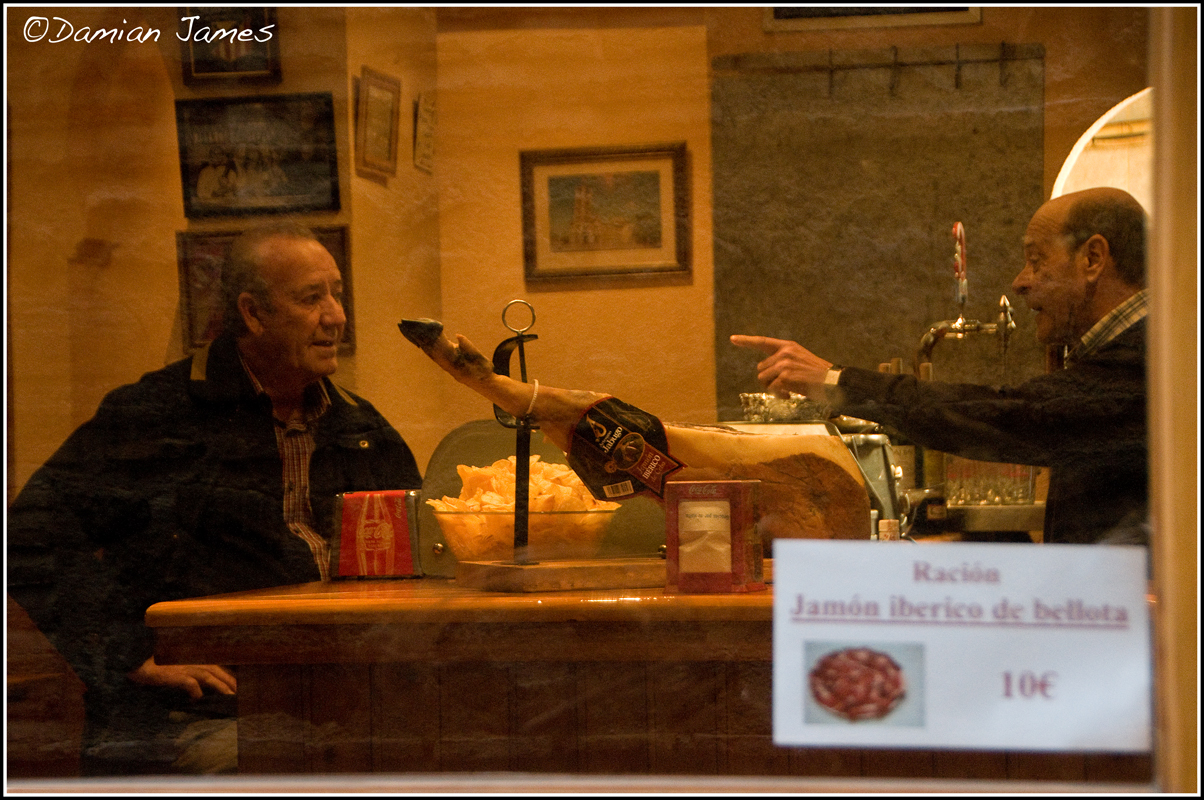
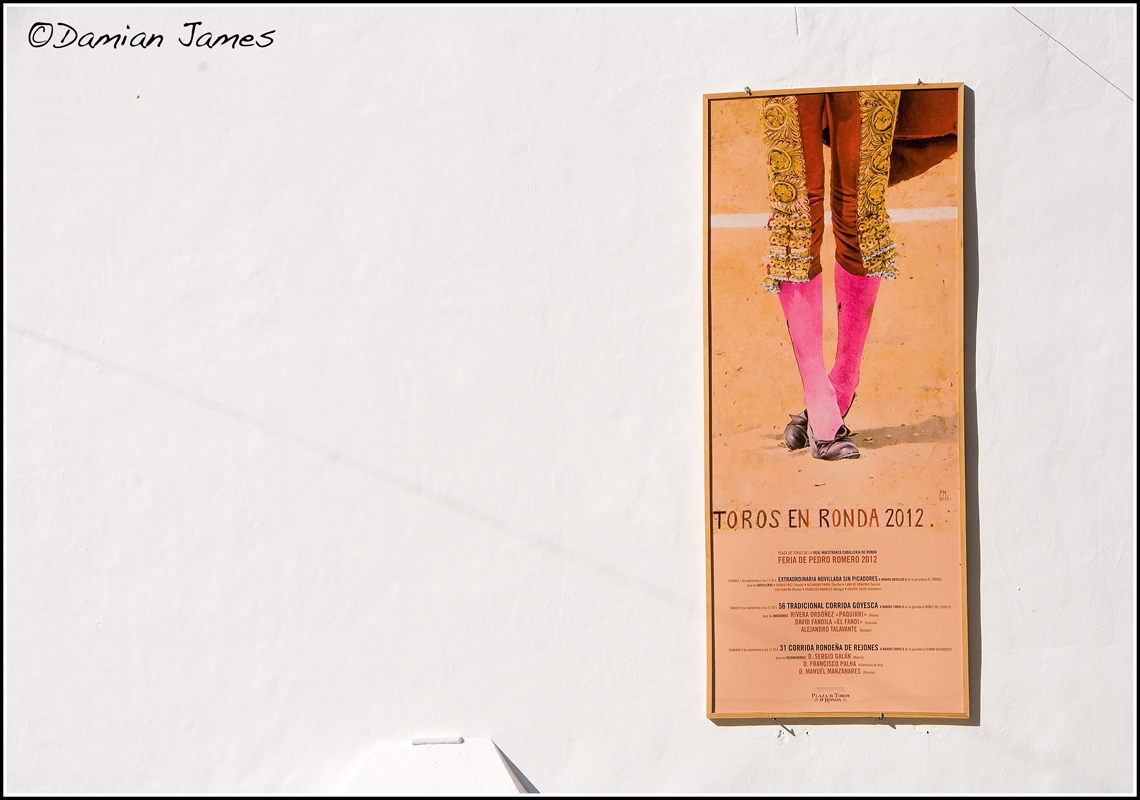
Besides that initial setback, what was also familiar to me upon returning to this country was it’s ability to transport you to a magical, Old World and almost surrealistic place while traveling within it’s borders. There is an expression I read recently:  “When you travel to Spain, you must surrender to Spain”.  This couldn’t be more true.  Spain will demand all of your senses.  You must oblige in order to understand what this country is all about…and what it’s people live for.  It’s traditions are strong, deep and wonderfully shaped by the many cultures who once descended on this land and left their mark.  There is the powerfully captivating, gypsy-influenced music and dance of flamenco and Sevillana…the spirit of bullfighting and it’s legendary matadors…remnants of a glorious past from the days of Columbus’ explorations to the New World…the serenity of the pueblos blancos…wine perfected to please anyone’s taste…and some seriously delicious food (don’t even get me started on that heavenly Jamón Ibérico, that’s a whole other blog!).  There are constant reminders of the Roman, Moorish and Catholic Monarchy eras throughout the country…and a history, scenery and architecture of unimaginable splendor and abundance. You must taste it, feel it, smell it, hear it, see it and let it work it’s way into your soul…(and your wallet, unfortunately…damn that Euro!).

Now there’s some things about Spain that will never cease to leave their earnest impressions upon it’s visitors. Follow me.

First, the Spanish are the loudest human beings on planet Earth. Call it passionate speech, pure corporeal expression…whatever.  They talk louder than an angry mob of Italian brokers with dysfunctional hearing-aids at the NY Stock Exchange.  Maybe since there’s so many old people in the country everyone thinks they have to speak at +20 decibels louder than the normal human speech level.  I don’t know, but you will swear everyone you hear on the street who is engaged in a public conversation is ready to punch the lights out of whoever they are talking to.  Their speech is rhythmic and distinguishingly Castilian, yet can often sound angry and irritable.  But, from what I’ve learned, it’s just the unfiltered passion of expression that runs deep in the Iberian bloodline.  You hear it in their music, you see it in their dance and you definitely taste it in their food (oh, Gazpacho Andaluz, how I miss you dearly…).  I just bring earplugs along so I don’t have to hear the neighbors screaming to each other about how the peaceful the baby looks while sleeping.

Second, you will often find yourself lost as a traveler in Spain. Let me repeat, you will be lost and will be frustrated and will curse the fools who forgot to post the sign pointing you in the proper direction after your umpteenth roundabout u-turn to get back in the right direction.  Just accept it.  Like I told my travel companions, it just makes the beer and food taste all the more better once you finally get to where you are going.  No one is on time anyway, so you’re never late.

Third, you will eat the best olives you have ever eaten in your life, and you will dream about them once you are gone.  You will try to order olives at your local Mediterranean restaurant when you return home to try and get the “authentic” Spanish variety…but you will be disappointed and soon realize that you will never eat olives anywhere in the world like you will in Spain.  You will become an addict, like I did, and will want to brush your teeth with olive oil every morning just to remind you of those perfect little savory Mediterranean delicacies.

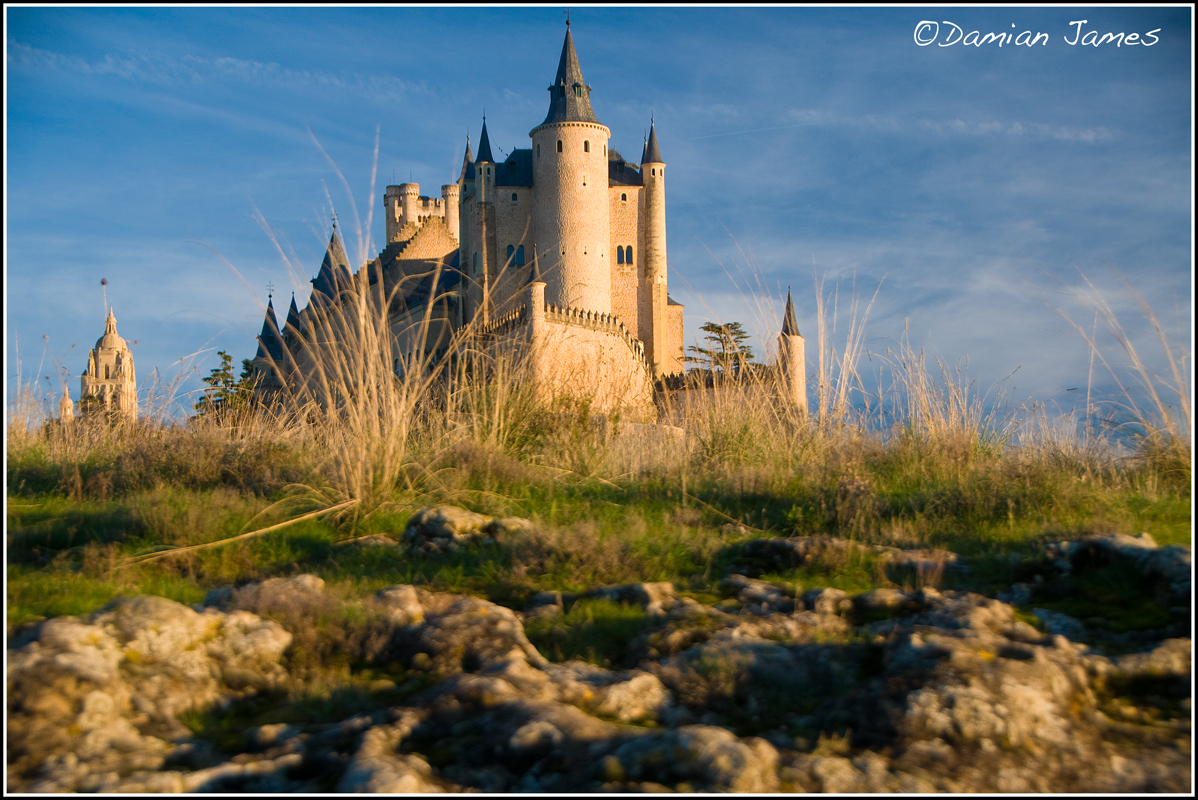
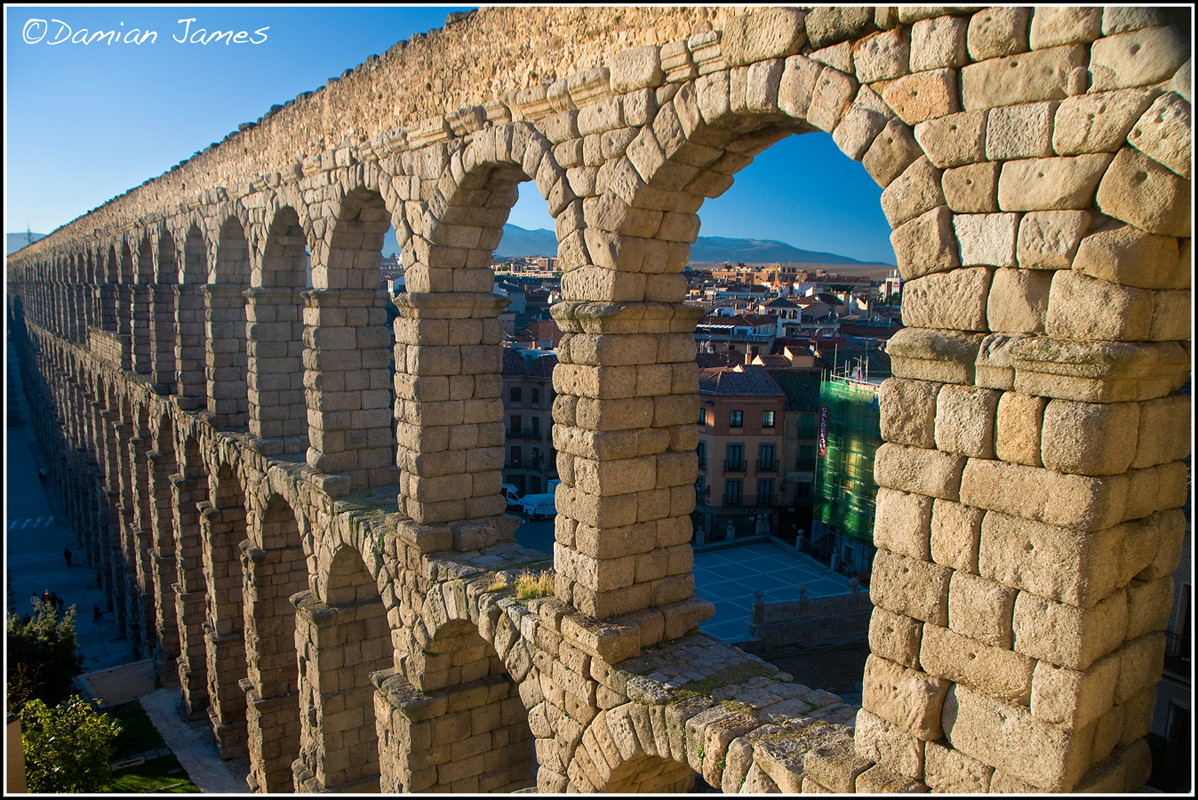
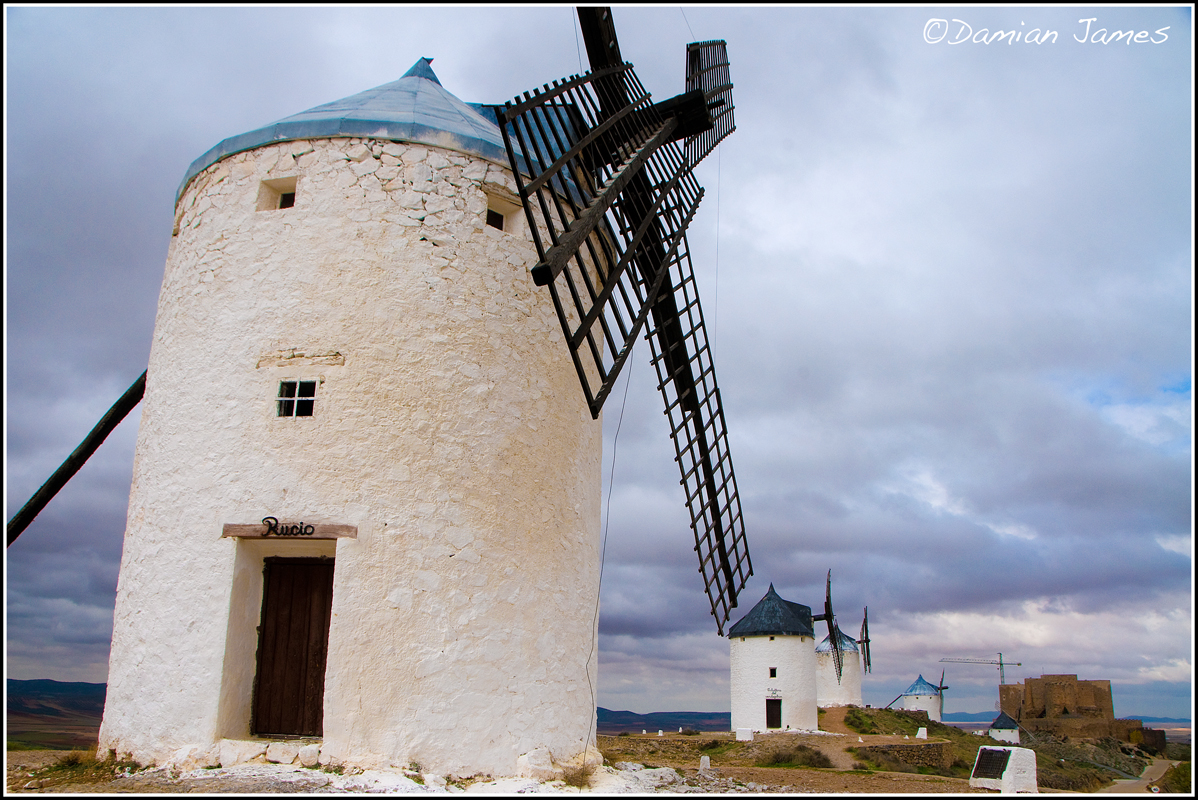
Fourth, you will say “Holy Shit!” on numerous occasions while sightseeing throughout the country.  I’m talking about seeing stuff that you won’t even believe you are looking at.  Towering Roman aqueducts over 2000 years old, beautiful castles straight out of a fairytale novel, medieval towns that will take your breath away (and your side rearview mirrors if you try to drive through some of their impossibly narrow streets), inspiring landscapes that will transport you to the days of Don Quixote, cathedrals and mosques of impossible beauty, scale and grandeur, and monuments and plazas of such artistry that will instantly drain your camera battery.  Yes, you will curse at the sight of these things.  No worries though, there is a church at every corner for you to confess your sins.

Finally (to sum up my thoughts), you will leave Spain knowing that you have traveled to one of the most vibrant, impression-lasting, inspiring and history-transforming countries the world has ever known.  Chances are, you will be back for more.  After 13 years away, it wasn’t so much that Spain had changed.  But I sure had, all for the better….and I have Spain to thank for that.  It made my new experience there that much richer.  In the words of Ernest Hemingway:  “If you travel to only one foreign country in your lifetime, be sure to travel to Spain.”  I’d have to concur.  Although, he also said “Always do sober what you said you’d do drunk”….and that didn’t work out too good for me.

Gracias, España

Categories: Travel | Tags: , , , , , , , , , , , , | 12 Comments

Earth Day 2012

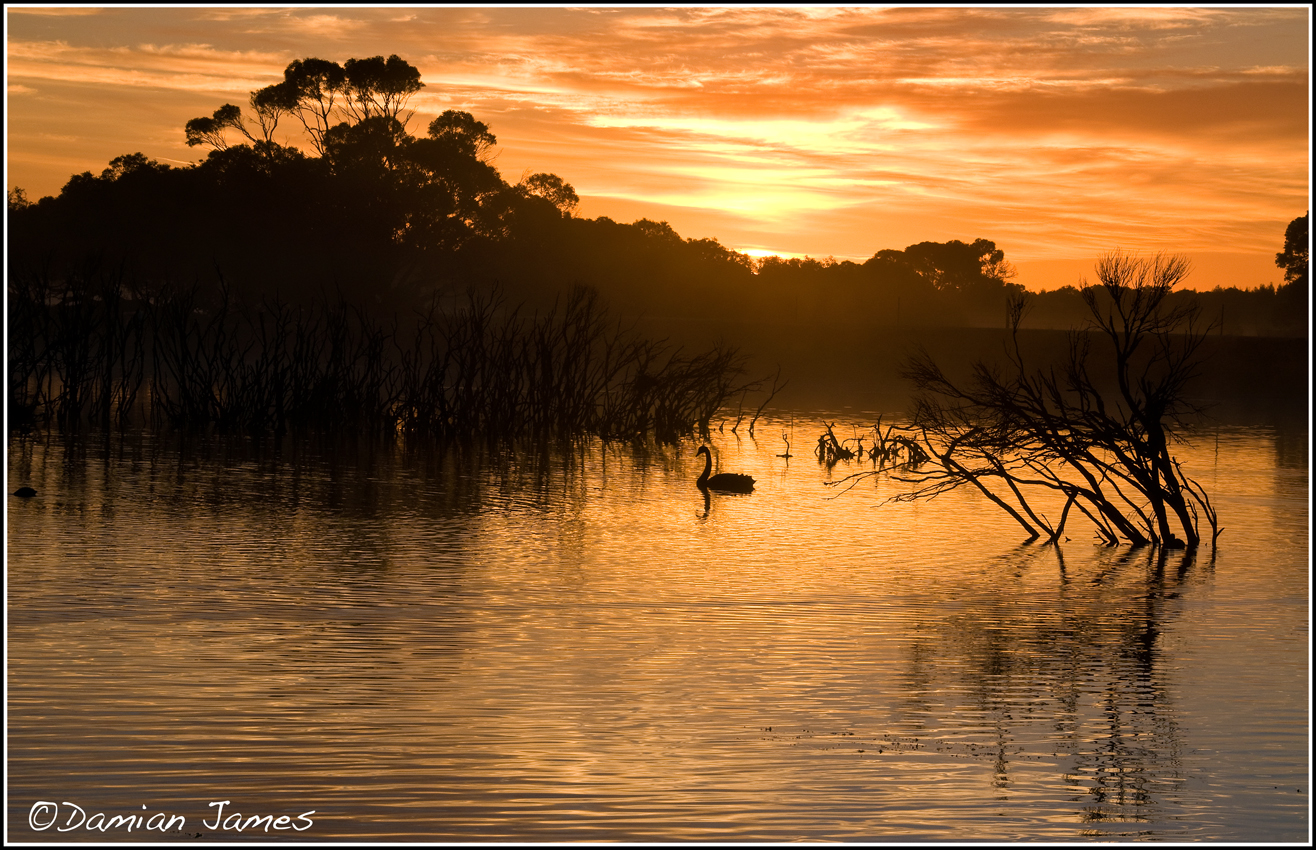
Today is a great day to celebrate the beauty of our planet.  As the world keeps turning and providing us with the resources we need to survive, we should all take the time to appreciate our home in this vast universe and re-focus our efforts on living a more sustainable and eco-friendly lifestyle.  Before I head out on my hike today to soak up some oxygen, sun rays and enjoy the sounds of the birds…I’d like to share a few of my favorite nature spots from around the world. Happy Earth Day 2012 my friends!

“Let us to permit nature to have her way. She understands her business better than we do.”  –  Michel de Montaigne

Categories: Travel | Tags: , , , , , , , , , , | 4 Comments

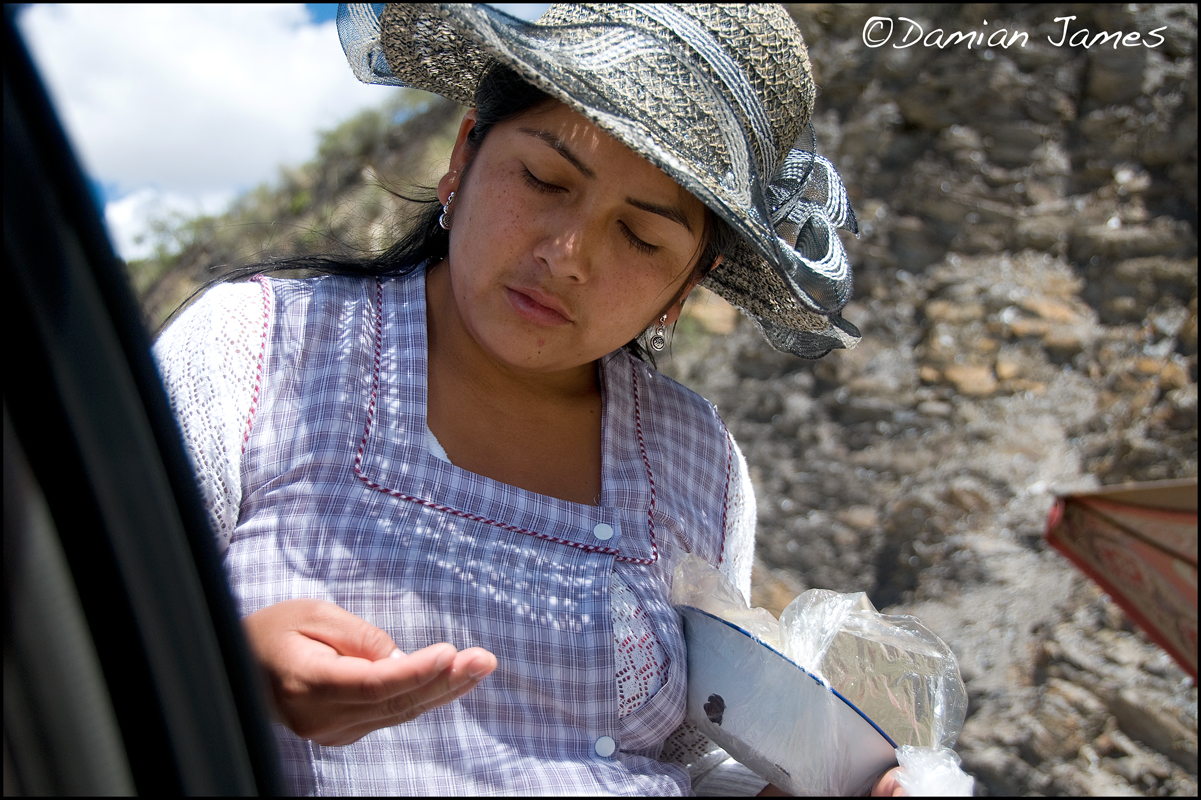
High desert fashion…Bolivian style

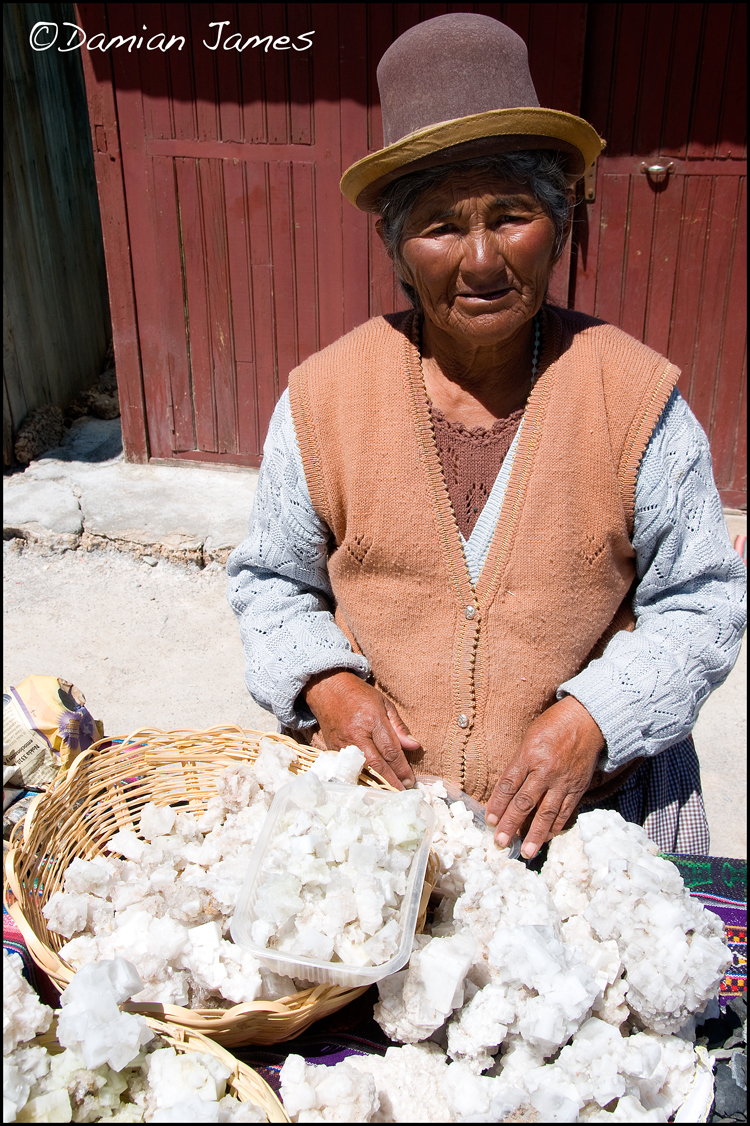
People often ask me, “What’s your favorite country that you’ve visited?” I always find it to be an impossible question to answer. It’s like comparing your children, I imagine. They are all unique, and you love them all (some more stressful than others) but there’s always that one that you like to brag about. For me, Bolivia is that one I ALWAYS brag about. What do I love about it? Simple, it’s like no other place you will ever visit in your life. Sadly, Bolivia often escapes the travel radar of most people. Mountainous, rugged and landlocked between the Andes and the Amazon, it’s not the easiest place to navigate. It doesn’t have the stunning coastline and international flair of it’s neighbors Brazil, Argentina and Chile. It’s also the poorest country in South America. But what it does have, thanks to its isolation, is a world of exotic landscapes, deep-rooted indigenous traditions, and some of the most interesting and fashionable natives you’ll ever come in contact with. For the intrepid explorer looking for a one-of-a-kind travel experience, you best mark Bolivia on your bucket list!

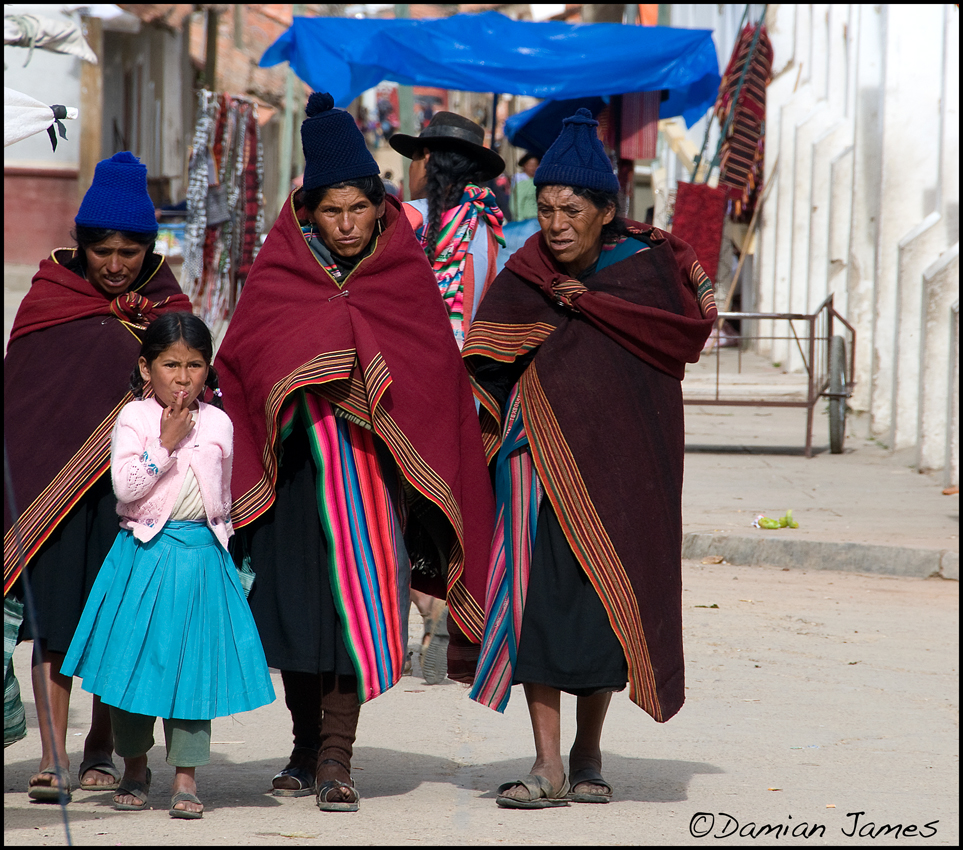
In the Bolivian Highlands, market Sunday in Tarabuco is especially colorful, as Bolivians love to put on their Sunday best and hit the town to buy, sell and barter goods with their fellow countrymen and tourists. This all-day swap meet begins bright and early (like 4am early) for many of the local Yampara people who walk 4 to 6 hours up and over the mountains from their ranches and homes to participate in the weekly market. Though my bartering with Red Vines didn’t work too well here, I did get a nice deal on a wooden flute and a bag of coca leaves. I really wanted to buy a charango (Andean stringed instrument) but I spent all my Bolivianos on tips for the locals who granted me some awesome photo opportunities. (Work that scarf baby!)

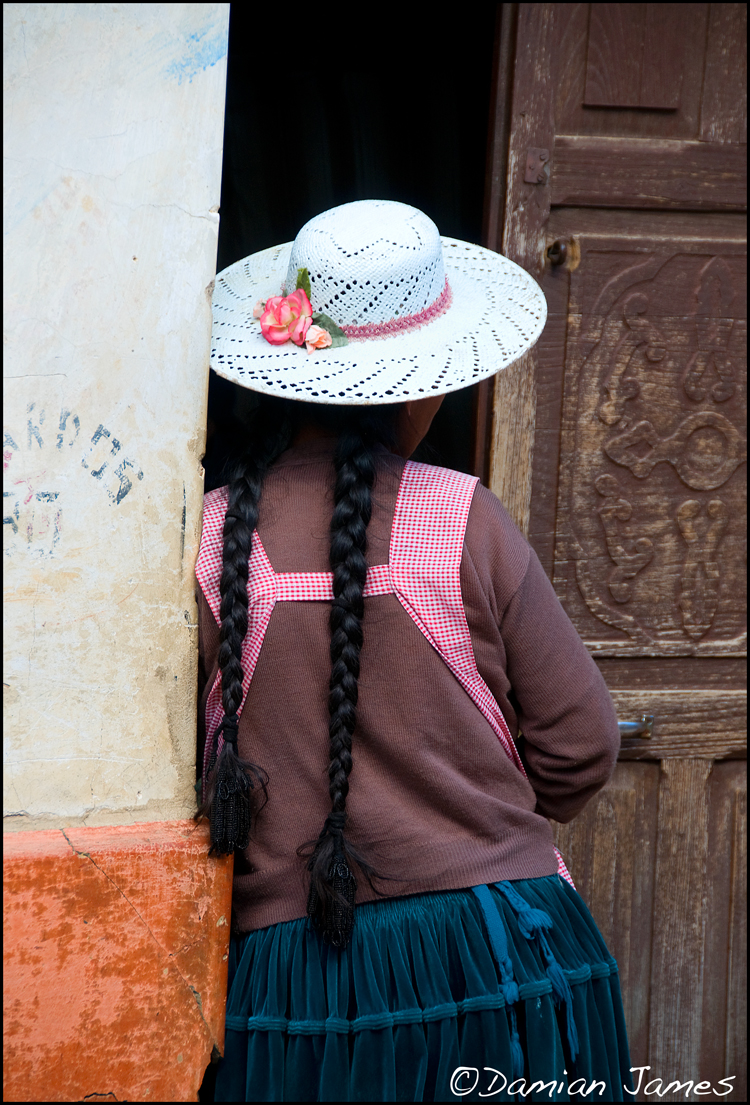
So let me just tell you about the Bolivians up here. As a photographer, my senses always ignite when I see raw life, tradition and color blending together in a visual concoction so fluid that my eyes struggle to keep pace. I’ve never seen a more fashion-conscious indigenous people…especially a tradition of dress that extends to the men as well. Women are pretty universal when it comes to wanting to look nice, but the dudes up here take “superstylin” to another level. Their traditional Yampara outfits not only preserve their identity, but they also advertise their location of origin to others. The men here sport colorful ponchos called “unkus”, many with horzontal stripes and regional colors. Scarves, patterned sweaters and woolen caps called “chullas” are also common threads among males. The women, known as “cholitas”, are typically seen in an outfit consisting of an apron over a layered skirt (“pollera”), a blouse, sweater and a rainbow-colored shawl used for everything from carrying babies to firewood. Their signature hats and braided hair seem to be a critical accessory to their look, along with those striped hand bags you see everywhere. It all works together quite nicely. In the words of my Aunt Cheryl, their style is “casual, yet smart…self-assured and oddly elegant”. Now let’s talk about those hats…

The one feature that is undeniably “Bolivian” is their hats. They love ’em! They rock those cool hats like breakdancers rocked Converse in the 80’s. They come in all styles, shapes, sizes and colors…straw hats, bowler hats, cowboy brimmed, alpaca wool beanies, crazy turtle shell looking things…quite an impressive variety. I offered to trade my baseball cap for one guy’s dusty Clint Eastwood looking Stetson, with no success. (Hard to find a Brewers fan in the Andes, let alone anywhere outside of Wisconsin). For women, the choice of hat frequently signals marital status. (Must be nice for the dudes!). Single women wear wool hats and married women wear leather. Among the most popular for women is the bowler hat (“bombin”), introduced by British railway workers in the 1920’s. There is a common saying about the bowler hat: “Born in Britian, perfected by Bolivia”. Some wear it straight up, some to the side. Hat styles change every year:  color, height and width of the brim. I can just picture the cholita gossip around the local market…”OMG, look at her…that 2 inch brim is SO last year!”

The Bolivians don’t dress to impress one another, they dress in a way that represents where they come from and their pride of being indigenous. It is important for them to keep tradition alive. Tradition is at the heart of their culture…and they protect it well. Not to mention, they look pretty damn good doing it! And that’s just one of the many reasons I love Bolivia. It’s probably a good thing that it has been over-looked by mass tourism over the years. There is an old world charm and purity here that is untainted by the outside world. I highly recommend a visit. Just remember to ditch your coca leaves at the border!

Categories: Travel | Tags: , , , , , , , , | 6 Comments

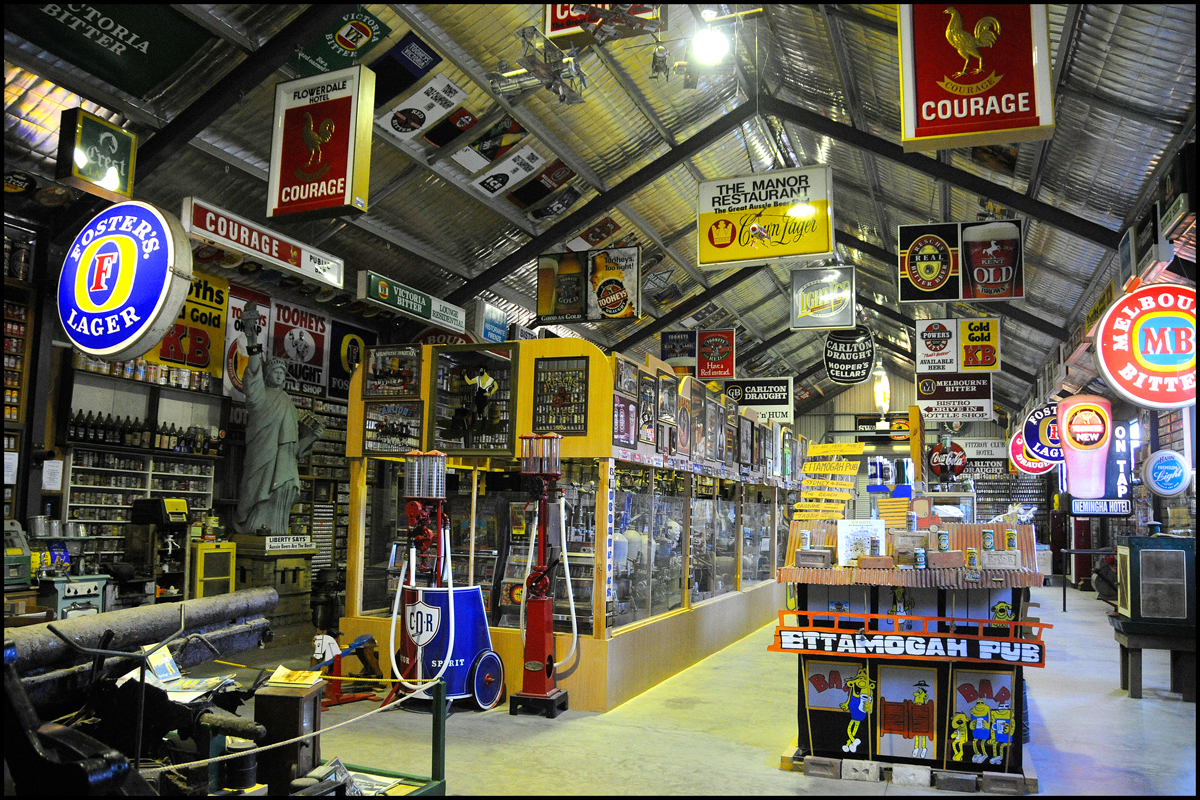
The Great Aussie Beer Shed

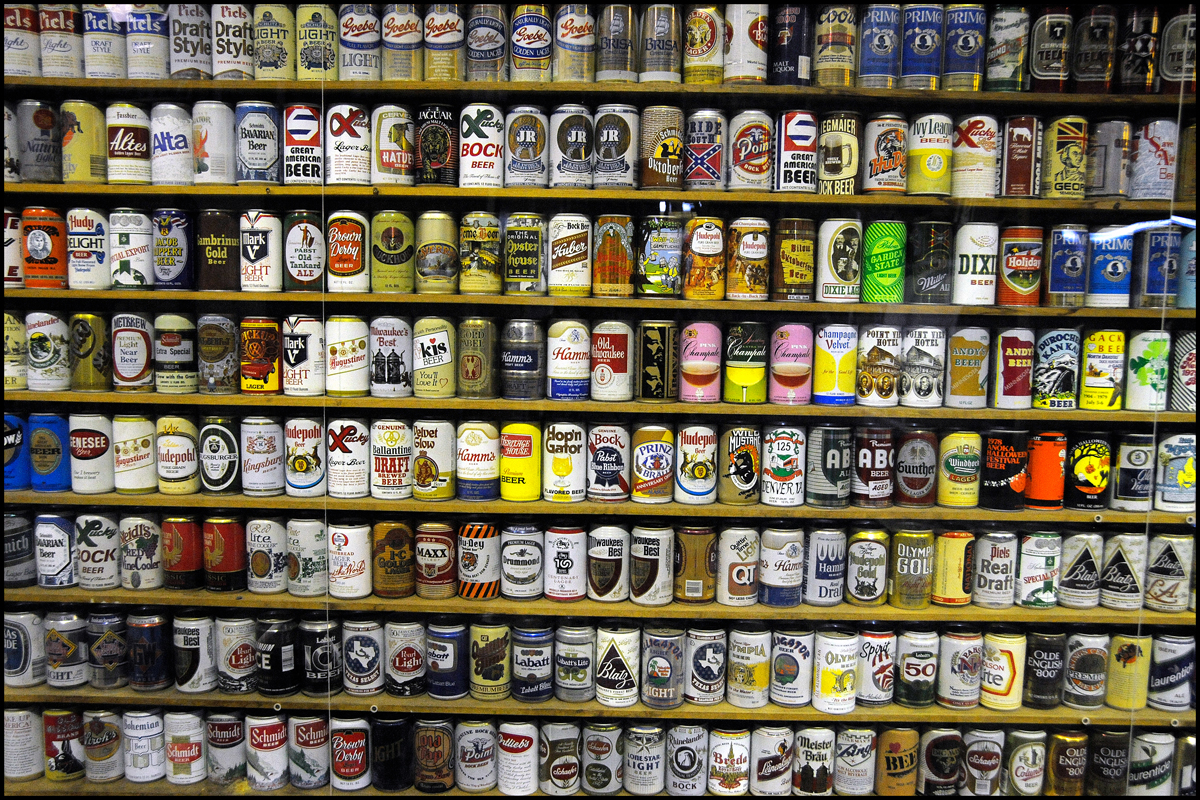
(Echuca, Australia) One of the highlights of my trip to Australia, The Great Aussie Beer Shed is one of those out-of-the-way places you won’t hear a peep about from travel agents and tour guides.  It’s an independent traveler’s (and beer enthusiast’s) oasis at the end of a dusty road in the middle of somewhere/nowhere Victoria, Australia.  I had taken the 3-hour drive up this way from Melbourne to see the Murray River (Australia’s version of the Mississippi) in the town of Echuca.  Echuca is famous for its steamboats, which are still a common means of transportation in this old colonial outpost.  Three hours on the road to see a steamboat and a river…yeah, a bit overzealous, I’ll admit.  What was I thinking?  I’ve been to Tom Sawyer’s island a dozen times at Disneyland and all I wanted to do was get back to Space Mountain.  Don’t know what I was doing up here really.  It was a nice drive through the countryside though, and a little taste of history…something most Australians will admit they have little of. A bit disappointed with the Huckleberry Finn section of this road trip, I decided to start heading back to civilization when I came upon a sign that pointed me in the direction of “The Great Aussie Beer Shed”.  Now this sounded interesting.  I was pretty damn thristy too.  I decided to add this little de”tour” to the agenda.  I cruised down a dirt road and arrived at a vacant parking lot next to a huge aluminum shed.  No cars, no people, no dogs…nothin’.  I walked around the grounds a bit and realized that this place was closed on this Monday afternoon.  Crap!  My palate was all fixed on throwing down some brews and at least seeing something more interesting than a riverboat on this 8-hour day trip.  All of the sudden, as I’m walking back to my car, I hear a man shout out “How can I help ya mate?”  It was the owner, Neil, a jolly looking Aussie country dude who seemed surprised to see any visitor that day.  I told him I had come for the tour and he told me that he didn’t do any tours on Mondays. He asked where I was from, and I responded “I’m from California”.  His face lit up in surprise as he came back with…”Bloody hell, you’ve come a long way for a beer mate!  Come on in, I’ll give ya a look”.  This was awesome…my own personal one-on-one tour with the maestro himself!  We walked in, he had me spin a wheel to win a prize (won a hat and some beer holders), and we cracked a few Victoria Bitters to get things warmed up. Now this place is my idea of a great local travel experience!  This guy was beyond just a beer expert or enthusiast. Brew culture and beer was in his blood (though mostly in his belly).  He had the most impressive collection of beer cans, bottles, barrels, artifacts, antiques and knowledge of beer of anyone you could ever imagine!  Over 17,000 beer cans from all over the world in his collection…including some vintage cans that were once banned for depicting sexy women on the front and some of the first beer cans ever manufactured.  He explained how he started his collection over 37 years ago, as an “obsession”, and how he grew his beer shed to this 5000+ sq. foot aluminum “Smithsonian” of beer and brew memorabilia.  He even took me out back beyond the shed, showed me some antique farming equipment and told me about his plans for expansion in the coming years.  Neil was a great guy.  He talked a mile a minute, the human version of an audio Wikipidea page…full of plenty of sharp, witty one-liners coated with that classic Aussie sense of humor.  He walked and talked me through nearly every artifact and display that he had in his shed.  Most importantly of all to Neil, he makes sure you are never empty handed while in his presence.  The third round of VB’s pretty much guaranteed that I would be staying longer than I had originally planned.  The tour was very informative and fun, and seemed to get more enjoyable after every sip.  Of course, at the end of the tour I had to ask Neil the million dollar question: “So what’s your favorite beer?”  His response: “Me next one mate!” So if you’re ever in Australia and are looking for a unique and authentic side trip up through the historic region surrounding the mighty Murray River, be sure not to miss The Great Aussie Beer Shed.  Oh, and make sure you pick up a copy of Slim Dusty’s “Beer Drinking Songs of Australia”. 🙂

Categories: Travel | Tags: , , , , , | Leave a comment

Digital magnetism

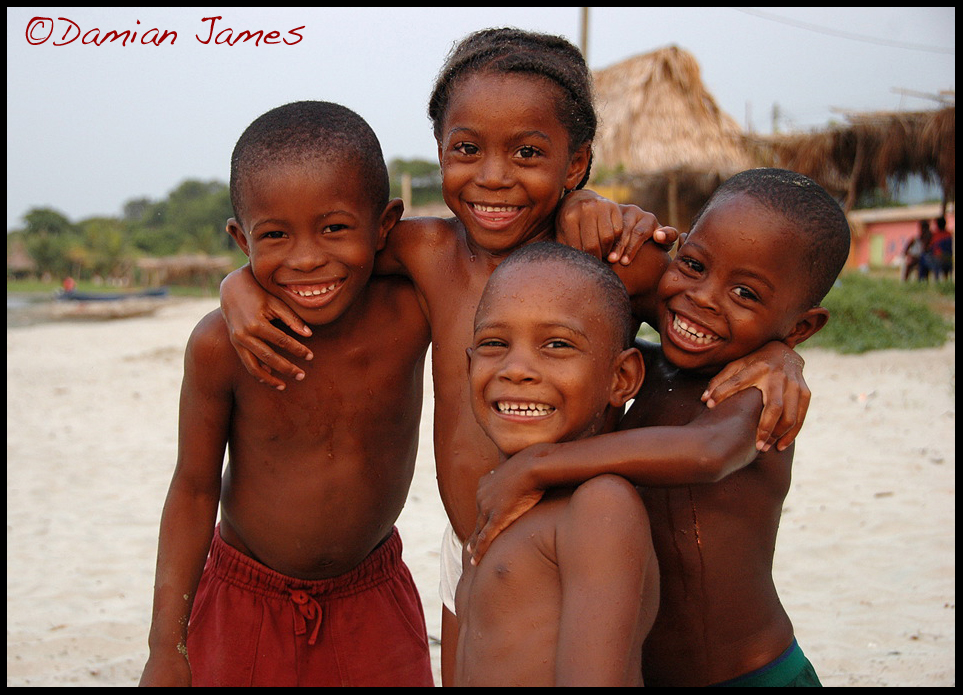
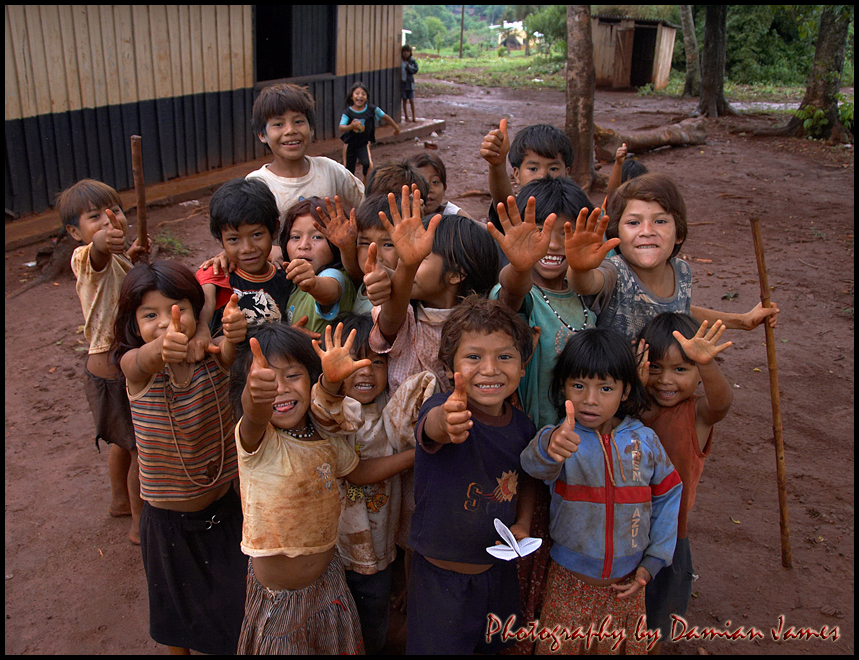
No matter where you travel with your camera, one thing is certain…kids will be among your most enthusiastic of subjects to photograph!  Especially if you have a digital camera and can show them the photo just seconds after it is snapped.  In many underdeveloped countries, where technology and hi-tech gadgets are as foreign to them as eating mashed potatoes with your hands is to me, the kids always have a positive response to a stranger who breaks out a digital camera and ask them for a “foto?”.  Their giddy reaction is contagious…as is the news of the visitor with the camera, which can spread throughout an entire village before you’ve even had a chance to review your first 1/2 dozen shots.  Next thing you know you have a mob of eager little bodies parading in front of you, each working their way into view while yelling “me…me!”.  It’s always great fun.  Now if I could only get that red village mud off my favorite shoes…

Top image:  Sambo Creek, Honduras

Bottom image:  Guarani village in Argentina.  *Don’t wear anything white on a rainy day*

Categories: Travel | Tags: , , , , , , | 2 Comments

Monkeying around in the jungle

DONT FEED PHOTOGRAPH THE MONKEYS!

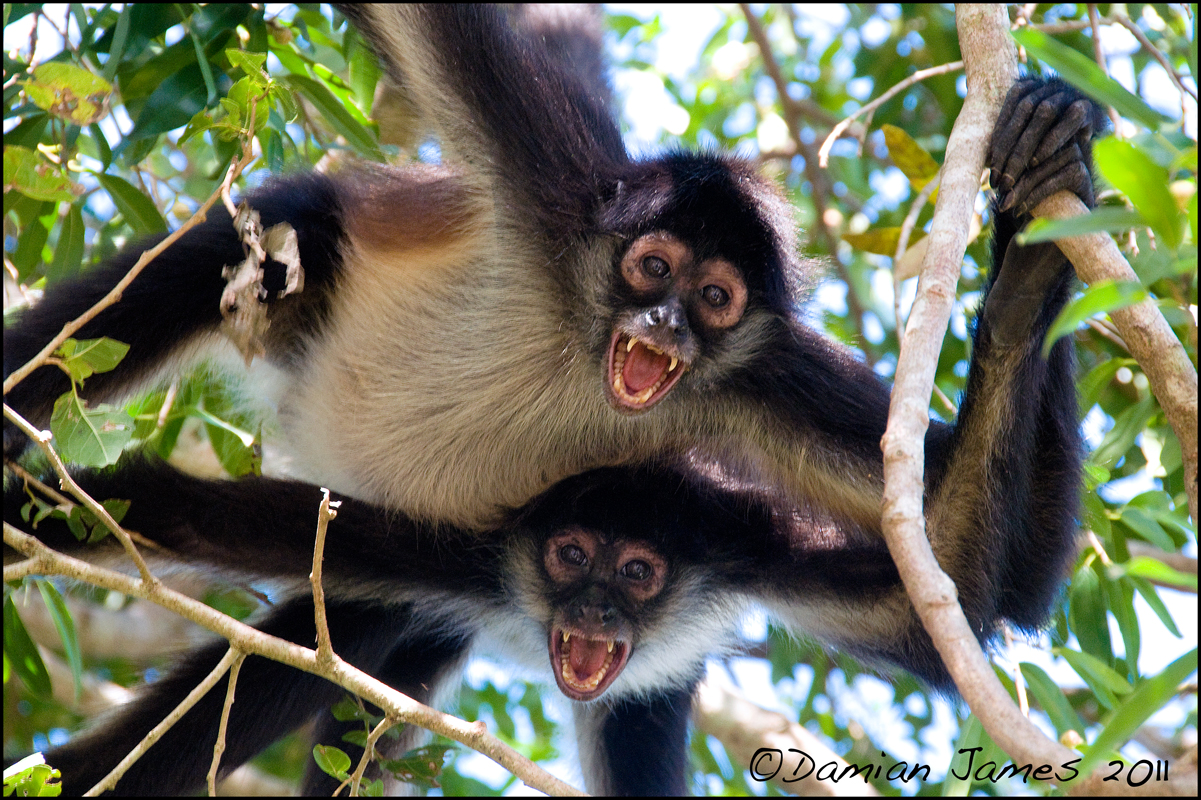
These spider monkeys at the Calakmul ruins of Mexico seemed friendly in my initial encounter with them.  So, naturally, I busted out my Nikon and started shooting away.  Good idea?  Well, their demeanor changed immediately as they began to show their teeth, beat on their chests and violently shake the tree branches in an attempt to scare me off.  Why the hostility?  Perhaps they felt I would publish the photos illegally in Monkey Spunk magazine?  Was I wearing the wrong monkey gang colors?  Maybe they were Canon users?  Whatever the case, animals in the wild are just that…wild and unpredictable.  This was their turf and they weren’t gonna let some Yankee with a cool telephoto lens come into their jungle hood and start firing off shots like a paparazzi on the Red Bull tour.  They let me know my limits…and like anywhere you travel to, you have to respect the locals and their level of comfort, especially when a camera is pointed at them.  Actually, it took a thrown tree branch at my head (yes, they are mean little bastards) to finally get me to back up and wrap up this photo session.  Here’s a pic of our initial encounter…and another soon after I started shooting them.

Once the photo session began (those aren’t smiles either)…

Categories: Travel | Tags: , , , , , , , | Leave a comment

Nikon SLR training in indigenous Argentina

ImageThese kids had awesome haircuts and a great time seeing their world through the Nikon lens!

Categories: Travel | Tags: , , , , , | 1 Comment

Definition of “Gringo” – Wikipedia explains…

Gringo is a slang Spanish and Portuguese word used in Spanish-speaking and Portuguese-speaking countries in Latin America, to denote foreigners, often from the United States. The term can be applied to someone who is actually a foreigner, or it can denote a strong association or assimilation into a foreign society and culture. In Spanish, it simply identifies a foreigner, without any negative connotation.  **Unless you piss them off!!  “*%#@ Gringo!!!”

Categories: Uncategorized | Leave a comment

Website Powered by WordPress.com.